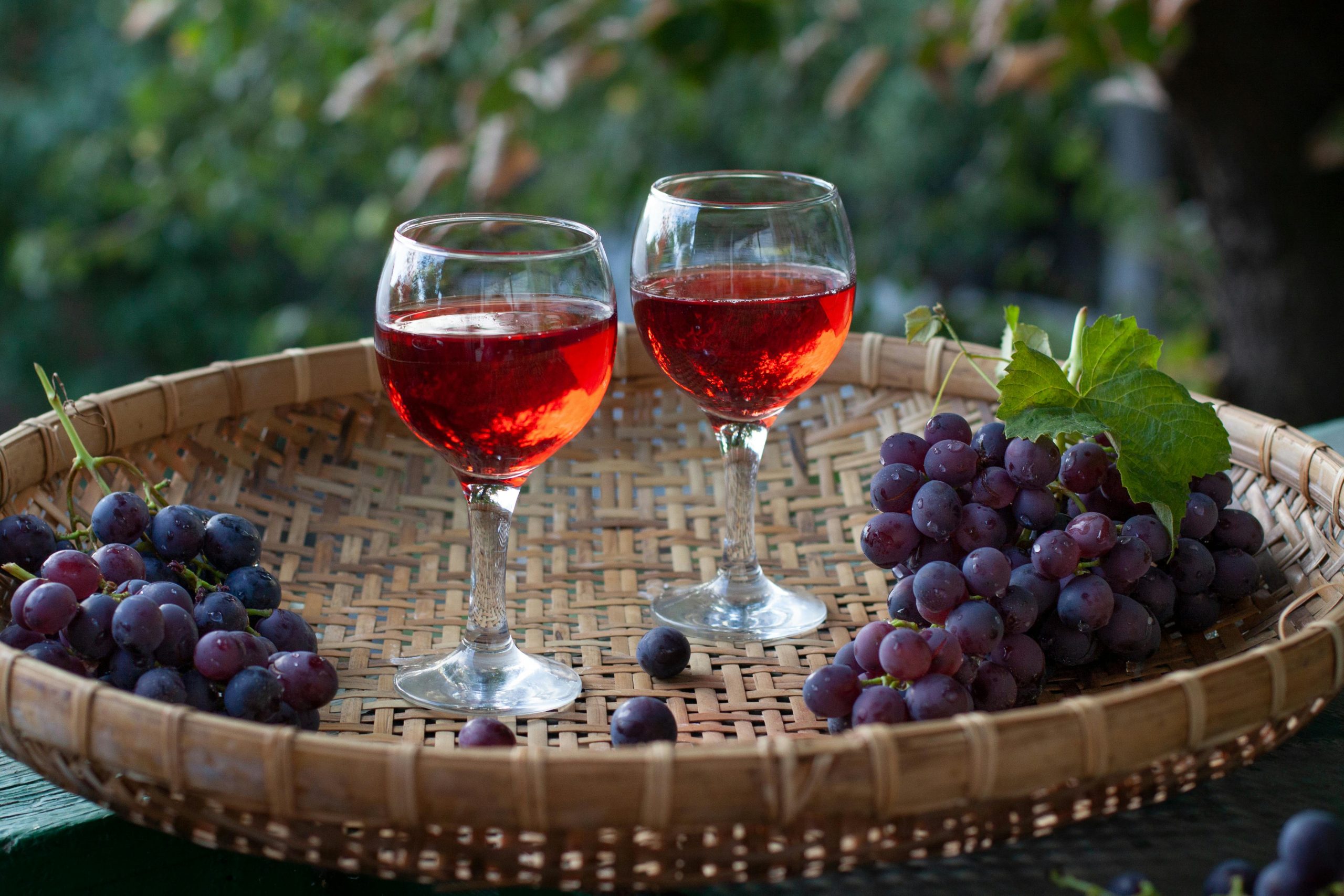
If you’ve come across the term blouge wine recently, you might have paused for a second and wondered: Is that even a real thing?
It sounds like a typo. Or maybe a trendy new category. Something halfway between red and white… which, as it turns out, isn’t too far from the truth.
Blouge wine is one of those curious ideas that has quietly made its way into wine conversations—especially among more modern, experimental drinkers. But unlike terms such as Bordeaux or Chardonnay, it doesn’t come with a neat definition or a place on a wine shelf.
So what exactly is blouge wine?
What Is Blouge Wine?
Let’s start with the most honest answer:
Blouge wine is not an official category.
The term itself is a blend of:
- “Blue” (loosely suggesting darker tones)
- “Rouge” (French for red)
The result—blouge—hints at something that doesn’t quite belong to either side.
And that’s really what it’s about.
Blouge wine is best understood as a style concept rather than a strict type of wine—something that sits somewhere between red and white in character, color, or feel.
A Term Without a Strict Definition (And Why That Matters)
The term “blouge wine” doesn’t have a strict definition. Some sources describe it as a wine made by co-fermenting red and white grapes, while others use it more broadly for styles that sit between red and white. In reality, it’s best understood as an informal, modern term rather than a precise winemaking category.
This might sound vague—but in today’s wine world, that’s not necessarily a bad thing.
Wine is no longer just about rules and rigid classifications. Increasingly, it’s about style, experience, and personal taste. And blouge fits right into that shift.
How Is Blouge Wine Made?
Because blouge isn’t a defined category, there’s no single way to make it. Instead, different winemaking approaches can lead to that “in-between” character.
Some of the most common methods include:
- Short maceration of red grapes
Red grapes spend less time with their skins, resulting in lighter color and softer structure. - Skin contact on white grapes
This creates what we know as orange wine—white grapes treated more like reds. - Darker rosé styles
Some rosés lean deeper in color and structure, placing them somewhere between categories. - Co-fermentation of red and white grapes
In certain traditional regions, red and white grapes are fermented together. A well-known example is
Côte-Rôtie,
where Syrah is sometimes co-fermented with a small amount of Viognier.
While these wines are still officially classified as red, the technique can enhance aroma and create a lighter, more lifted style.
What Does Blouge Wine Taste Like?
Since “blouge” covers a range of styles, there’s no single flavor profile—but there are some common threads.
You’ll often find:
- Fresh, lively acidity (like white wine)
- Gentle tannins (softer than most reds)
- Bright fruit notes—berries, citrus, stone fruit
- A slightly textured or grippy feel, depending on how it’s made
If you had to describe it simply:
It’s like a red wine that doesn’t feel heavy—or a white wine with a bit more depth.
Why Blouge Wine Is Gaining Attention
Blouge wine isn’t just a quirky term—it reflects a bigger shift in how people drink wine today.
More and more, wine lovers are looking for:
- Lighter, more refreshing styles
- Lower alcohol options
- Wines that can be served slightly chilled
- Something different—but still approachable
Blouge-style wines tick all those boxes.
They also align closely with the rise of:
- Natural wines
- Minimal-intervention winemaking
- A more relaxed attitude toward “wine rules”
Interesting Facts About Blouge Wine
1. It Challenges Traditional Categories
For centuries, wine has been neatly divided into red, white, and rosé. Blouge shows that the reality is much more fluid.
2. It’s Not Actually New
Even if the term feels modern, wines that fit the “blouge” idea have existed for a long time—especially in regions known for lighter red styles.
3. Temperature Changes Everything
Many blouge-style wines are best enjoyed slightly chilled, which can completely transform how they taste and feel.
4. It Sparks Conversation
Ask for a “blouge wine” in a wine shop, and you might get a smile—or a debate. Not everyone defines it the same way.
5. It Reflects a New Wine Mindset
More than anything, blouge represents a shift away from strict definitions toward how a wine actually feels to drink.

What Food Pairs Well with Blouge Wine?
Because it sits between red and white, blouge wine is incredibly versatile at the table.
It pairs beautifully with:
- Light pasta dishes
- Grilled vegetables
- Chicken and seafood
- Picnic-style meals
- Soft cheeses and charcuterie
It’s the kind of wine you don’t have to overthink—which, honestly, is part of its charm.
Should You Try Blouge Wine?
If you’ve ever found yourself thinking:
- “Red wine feels a bit heavy sometimes”
- “White wine can be a bit too simple”
…then blouge-style wines might be exactly what you’re looking for.
They offer a balance that feels easy, flexible, and surprisingly refreshing.
Final Thoughts: Is Blouge Wine the Future?
Maybe not as a formal category—but definitely as an idea.
Blouge wine captures something that feels very current:
The freedom to enjoy wine without worrying too much about definitions.
And perhaps that’s where wine is heading.
Less about rules.
More about experience.