
Posted on Leave a comment

Blouge Wine: What It Is, Why It Exists, and Why Everyone Is Talking About It

Blouge Wine

If you’ve come across the term blouge wine recently, you might have paused for a second and wondered: Is that even a real thing?

It sounds like a typo. Or maybe a trendy new category. Something halfway between red and white… which, as it turns out, isn’t too far from the truth.

Blouge wine is one of those curious ideas that has quietly made its way into wine conversations—especially among more modern, experimental drinkers. But unlike terms such as Bordeaux or Chardonnay, it doesn’t come with a neat definition or a place on a wine shelf.

So what exactly is blouge wine?


What Is Blouge Wine?

Let’s start with the most honest answer:
Blouge wine is not an official category.

The term itself is a blend of:

  • “Blue” (loosely suggesting darker tones)
  • “Rouge” (French for red)

The result—blouge—hints at something that doesn’t quite belong to either side.

And that’s really what it’s about.

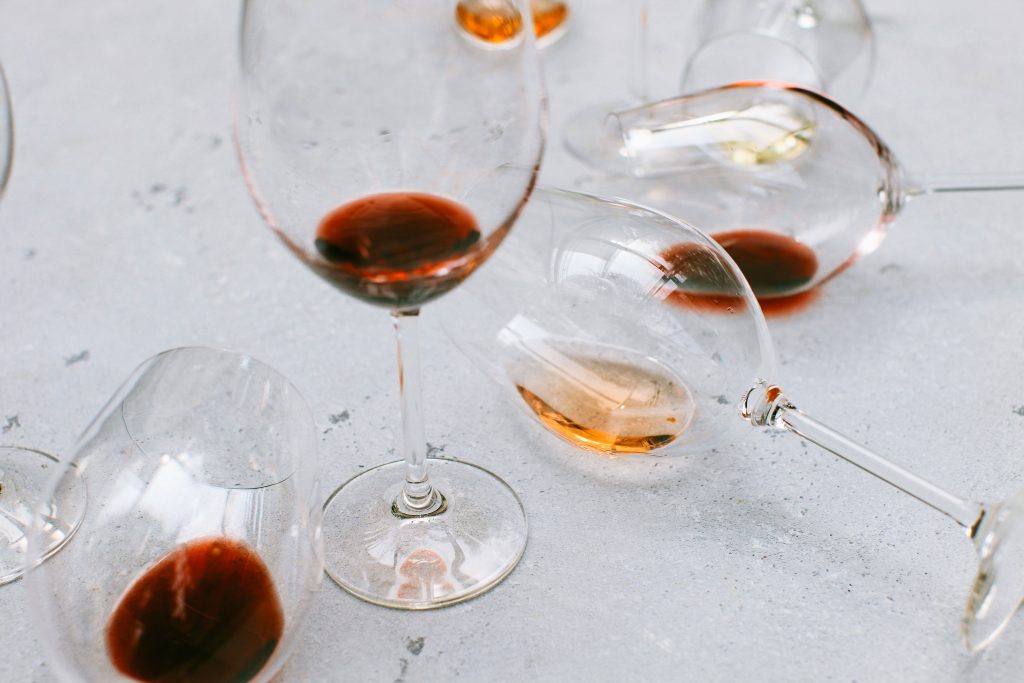
Blouge wine is best understood as a style concept rather than a strict type of wine—something that sits somewhere between red and white in character, color, or feel.


A Term Without a Strict Definition (And Why That Matters)

The term “blouge wine” doesn’t have a strict definition. Some sources describe it as a wine made by co-fermenting red and white grapes, while others use it more broadly for styles that sit between red and white. In reality, it’s best understood as an informal, modern term rather than a precise winemaking category.

This might sound vague—but in today’s wine world, that’s not necessarily a bad thing.

Wine is no longer just about rules and rigid classifications. Increasingly, it’s about style, experience, and personal taste. And blouge fits right into that shift.


How Is Blouge Wine Made?

Because blouge isn’t a defined category, there’s no single way to make it. Instead, different winemaking approaches can lead to that “in-between” character.

Some of the most common methods include:

  • Short maceration of red grapes
    Red grapes spend less time with their skins, resulting in lighter color and softer structure.
  • Skin contact on white grapes
    This creates what we know as orange wine—white grapes treated more like reds.
  • Darker rosé styles
    Some rosés lean deeper in color and structure, placing them somewhere between categories.
  • Co-fermentation of red and white grapes
    In certain traditional regions, red and white grapes are fermented together. A well-known example is
    Côte-Rôtie,
    where Syrah is sometimes co-fermented with a small amount of Viognier.
    While these wines are still officially classified as red, the technique can enhance aroma and create a lighter, more lifted style.

What Does Blouge Wine Taste Like?

Since “blouge” covers a range of styles, there’s no single flavor profile—but there are some common threads.

You’ll often find:

  • Fresh, lively acidity (like white wine)
  • Gentle tannins (softer than most reds)
  • Bright fruit notes—berries, citrus, stone fruit
  • A slightly textured or grippy feel, depending on how it’s made

If you had to describe it simply:

It’s like a red wine that doesn’t feel heavy—or a white wine with a bit more depth.


Why Blouge Wine Is Gaining Attention

Blouge wine isn’t just a quirky term—it reflects a bigger shift in how people drink wine today.

More and more, wine lovers are looking for:

  • Lighter, more refreshing styles
  • Lower alcohol options
  • Wines that can be served slightly chilled
  • Something different—but still approachable

Blouge-style wines tick all those boxes.

They also align closely with the rise of:

  • Natural wines
  • Minimal-intervention winemaking
  • A more relaxed attitude toward “wine rules”

Interesting Facts About Blouge Wine

1. It Challenges Traditional Categories

For centuries, wine has been neatly divided into red, white, and rosé. Blouge shows that the reality is much more fluid.


2. It’s Not Actually New

Even if the term feels modern, wines that fit the “blouge” idea have existed for a long time—especially in regions known for lighter red styles.


3. Temperature Changes Everything

Many blouge-style wines are best enjoyed slightly chilled, which can completely transform how they taste and feel.


4. It Sparks Conversation

Ask for a “blouge wine” in a wine shop, and you might get a smile—or a debate. Not everyone defines it the same way.


5. It Reflects a New Wine Mindset

More than anything, blouge represents a shift away from strict definitions toward how a wine actually feels to drink.


What Food Pairs Well with Blouge Wine?

Because it sits between red and white, blouge wine is incredibly versatile at the table.

It pairs beautifully with:

  • Light pasta dishes
  • Grilled vegetables
  • Chicken and seafood
  • Picnic-style meals
  • Soft cheeses and charcuterie

It’s the kind of wine you don’t have to overthink—which, honestly, is part of its charm.


Should You Try Blouge Wine?

If you’ve ever found yourself thinking:

  • “Red wine feels a bit heavy sometimes”
  • “White wine can be a bit too simple”

…then blouge-style wines might be exactly what you’re looking for.

They offer a balance that feels easy, flexible, and surprisingly refreshing.


Final Thoughts: Is Blouge Wine the Future?

Maybe not as a formal category—but definitely as an idea.

Blouge wine captures something that feels very current:

The freedom to enjoy wine without worrying too much about definitions.

And perhaps that’s where wine is heading.

Less about rules.
More about experience.

Posted on Leave a comment

What Is the Vinordic Wine Challenge (And Why It Deserves More Attention)

Vinordic Wine Challenge

If you spend any time reading about wine, you will quickly come across big names like the Decanter World Wine Awards or the International Wine & Spirit Competition. These competitions dominate headlines, and for good reason—they showcase some of the finest wines in the world.

But what if you are not looking for a €100 bottle?

What if you simply want a wine that tastes great for its price?

That is where the Vinordic Wine Challenge quietly steps in—and, in many ways, does something far more useful.


What Is the Vinordic Wine Challenge?

The Vinordic Wine Challenge is an annual wine competition held in Stockholm, designed to identify wines that offer the best value for money.

Unlike many prestigious competitions that focus purely on quality, this one asks a slightly different—and far more practical—question:

“Is this wine worth what it costs?”

Organized by Vinordic, the competition brings together hundreds of wines from around the world and evaluates them through blind tastings conducted by professional judges.

If you would like to explore it directly, you can visit their official page here:
https://vinordicwinechallenge.se/

At first glance, it may seem like just another wine competition. But once you look closer, you realize it fills a very specific gap in the wine world.


A Different Kind of Wine Competition

Most wine competitions are built around excellence—and rightly so. They reward complexity, structure, aging potential, and technical perfection.

The Vinordic Wine Challenge, however, adds a twist.

Instead of asking:
“Is this wine great?”

It asks:
“Is this wine great for its price category?”

That small shift changes everything.

A €10 wine is not competing with a €100 wine. It is judged alongside wines in the same price range. That makes the results far more relevant for everyday wine drinkers.

Because let’s be honest—most of us are not opening Grand Cru Burgundy on a Tuesday night.


How the Judging Works (In Simple Terms)

The judging process is professional, but refreshingly grounded.

Wines are:

  • tasted blind (labels hidden)
  • grouped by price category and style
  • evaluated by experienced wine professionals

Judges look at:

  • balance
  • aroma and flavor
  • overall impression
  • and most importantly: value for money

In other words, a wine does not win simply because it is excellent. It wins because it delivers more than expected at its price point.

That makes the results surprisingly useful outside the competition setting—and very relevant if you have ever wondered why some bottles seem overpriced while others feel like a great find.


Why the Vinordic Wine Challenge Actually Matters

Here is where things get interesting.

Most wine competitions are impressive—but not always practical.

The Vinordic Wine Challenge is different because it directly reflects how people actually buy wine.

It helps you avoid overpriced bottles.
A wine might taste good, but is it worth €25? This competition highlights wines that overdeliver.

It uncovers hidden gems.
Smaller producers and lesser-known regions often shine here because they offer better value.

It is built for real-world buying.
The results align closely with what consumers will actually find in shops.

It removes the intimidation factor.
You do not need to understand tannin structure or oak influence to benefit from it—you just need to trust the results.

If you enjoy exploring wines that offer great quality without stretching the budget, you might also like my guide on cheap wine vs expensive wine, where I break down what really makes a difference in the glass.


A Nordic Perspective on Wine

One of the reasons this competition exists at all is the unique structure of the Nordic wine market.

In Sweden, alcohol sales are controlled by Systembolaget, a state-run retailer that carefully curates its selection.

This creates an interesting situation:

  • consumers have a limited but well-selected range
  • price transparency is high
  • value matters more than ever

The Vinordic Wine Challenge fits perfectly into this system. It helps identify which wines truly deserve their place on the shelf.

It is not about luxury—it is about smart choices.


What Kind of Wines Win?

One of the most interesting aspects of the Vinordic Wine Challenge is how diverse the winners tend to be.

You will often find:

  • classic European regions like Tuscany or Rioja
  • emerging regions offering better value
  • fresh, modern styles that appeal to everyday drinkers

And increasingly:

This reflects a broader shift in the wine world—one that you can also see in recent wine industry trends, where accessibility and sustainability are becoming just as important as tradition.


What Wine Lovers Can Learn from It

Even if you never directly look up the winners, the concept behind the Vinordic Wine Challenge is worth understanding.

It challenges a very common assumption:

Expensive wine is not always better wine.

Here are a few takeaways you can actually use:

  • A well-made €12 wine can outperform a poorly priced €25 one
  • Lesser-known regions often offer the best value
  • Blind tasting removes brand bias—and that matters
  • Price should always be part of how we judge wine

If you are interested in making better choices when buying wine, you might also enjoy my article on how to choose the right wine, which breaks things down in a simple, practical way.


Is This the Most Practical Wine Competition Out There?

It might not have the glamour of global awards.

It might not produce headline-grabbing luxury winners.

But in terms of everyday usefulness, it is hard to beat.

Because at the end of the day, most wine drinkers are not collecting—they are choosing a bottle for dinner, for friends, or for a quiet evening at home.

And in that moment, the question is not:
“Is this wine world-class?”

It is:
“Is this wine worth it?”


Final Thoughts

The Vinordic Wine Challenge may not be the most famous competition in the world—but it might be one of the most relevant.

It shifts the focus away from prestige and toward something far more meaningful: value, honesty, and real drinking pleasure.

And perhaps that is exactly what modern wine culture needs.

Because great wine should not just impress—it should make sense.

Posted on Leave a comment

Italian Wine Gift Basket Trends: Blending Tradition with Modern Gifting

Italian wine gift basket

Italian wine has been traditionally linked to the art, traditions, and the locality. The idea of giving Italian wine has now become a much more curated and expressive one. The Italian wine gift baskets are no longer a group of bottles but symbolize culture, taste and personalization. With the new trends of gifting moving towards experiences with meaning, these baskets are turning into a sophisticated form of celebrating events with authenticity and style.

The Cultural Roots of Italian Wine Gifting

The culture of wine in Italy has its strong traditions of history and each area has its own varieties influenced by climate, soil and tradition. Italian wines are a sense of place, whether it comes to the rolling vineyards of Tuscany that give birth to bold reds such as Chianti or the sparkling beauty of Prosecco out of Veneto. When packaged into a gift, these wines narrate a story, one that can be appreciated by both experienced wine lovers and the average wine drinker.

Italians have traditionally used wine as a gift to signify hospitality and celebration. This custom is still practiced today in the world but in a more modern manner. Consumers are seeking curated experiences that would include wine along with other complementary products like artisan cheeses, cured meats, chocolates, and even olive oils. This blend of conventional and new is what has become current in gifting trends.

Modern Trends Shaping Italian Wine Gift Baskets

Personalization is one of the largest changes in gifting. Instead of generic choices, consumers are now demanding baskets that are customized to certain tastes, events or themes. As an illustration, one could have a romantic gift basket with a bottle of Baroli and dark chocolate and a festive basket with sparkling wines and fancy snacks.

Another emerging trend is sustainability. Organic or biodynamic wines, eco-friendly packaging and locally sourced products are now part of many gift baskets. This fits the needs of contemporary consumers who are concerned with being environmentally responsible as well as quality.

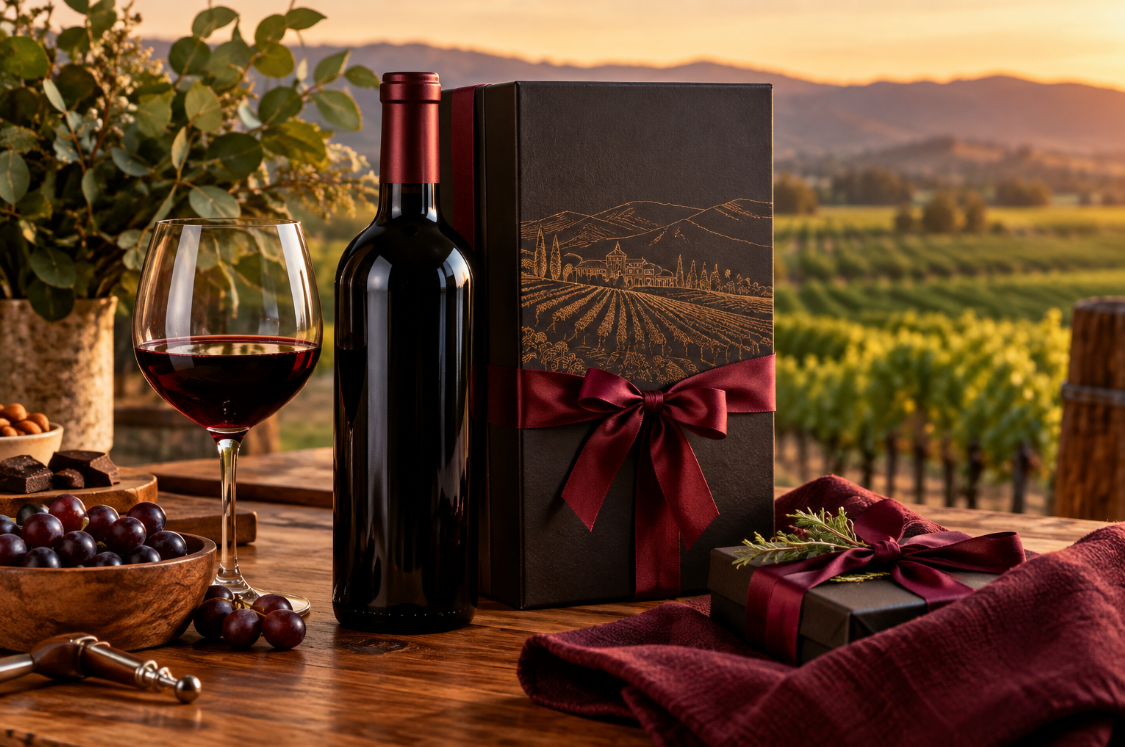
Moreover, presentation is also important. Gifting is made more pleasurable with elegant wrapping, reusable baskets, and beautiful displays. A wine gift basket is perceived to be more valuable when it has a visual appeal, hence it can be used as a personal or corporate gift.

Regional Highlights in Italian Wine Baskets

Gift baskets of Italian wine commonly feature the wine of the legendary regions:

  • Tuscany: Known for Sangiovese-based wines like Chianti and Brunello di Montalcino, offering rich flavors and aging potential.
  • Piedmont: Home to Barolo and Barbaresco, these wines are bold, complex, and ideal for sophisticated palates.
  • Veneto: Famous for Prosecco and Amarone, providing both sparkling freshness and deep, dried-fruit intensity.
  • Sicily: Emerging as a hotspot for unique varietals like Nero d’Avola, delivering vibrant and approachable wines.

The tasting experience offered by including wines in a single basket with multiple regions provides a wide experience, enabling those who receive them to experience Italy and its rich wine scene.

Pairing Insights for a Complete Experience

An Italian wine gift basket is more than the bottle. Pairs add to pleasure and give a well-rounded tasting experience. For example:

  • Chianti pairs beautifully with aged cheeses and tomato-based dishes.
  • Prosecco complements light appetizers, seafood, and desserts.
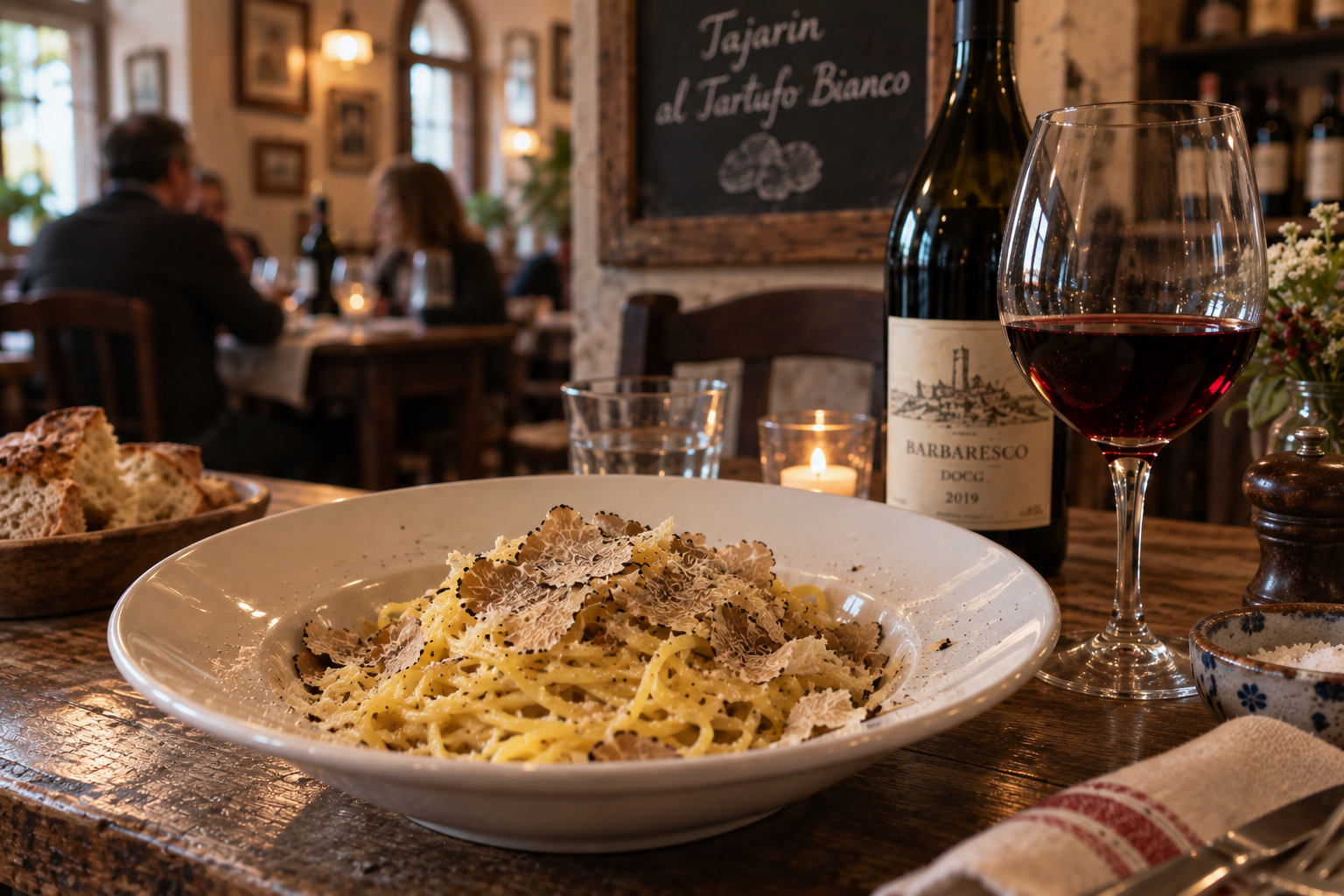
  • Barolo works well with truffle-infused foods and rich meats.
  • Pinot Grigio matches fresh salads and mild cheeses.

Such considerate selections make a trivial present a form of sensory adventure, and the experience is unforgettable and involving.

The Rise of Premium Gifting Options

The wine baskets that are of premium are increasingly becoming popular as consumers are becoming more discerning. These may involve limited-edition wines, rare vintages, and fancy accompaniments. Their attractiveness is also boosted with the help of luxury packaging and customized themes.

If you’re exploring options for a refined and culturally rich present, an italian wine gift basket offers a perfect blend of authenticity and sophistication. These curated selections reflect both traditional Italian winemaking and modern gifting preferences, making them suitable for a wide range of occasions.

Convenience Meets Elegance in Online Gifting

The advent of e-commerce has led to sending wine gifts across distances with ease like never before. Online retailers are now providing a large selection of curated baskets, descriptions and customization. This comfort enables the buyers to choose quality gifts without having to compromise on presentation or authenticity.

For those looking to explore a broader range of curated options, Wine & champagne gifts provide access to expertly assembled selections that cater to different tastes and occasions. These collections simplify the gifting process while maintaining a high standard of quality.

Why Italian Wine Gift Baskets Remain Timeless

The Italian wine gift baskets do not change according to the current trends, but the essence of the gift baskets remains the same; it unites people. These baskets are thoughtful and appreciative whether it is a party, a show of thank-you, or a company present.

Italian wine gift baskets remain unique in the gifting arena by combining the old wine culture with the new presentation and personalization. They can mix taste, heritage, and creativity and this is why they are a favorite among people who want to get meaningful and elegant gifts.

With the current state of the gifting world, where experience is just as important as the item itself, Italian wine gift baskets become ageless, but at the same time, timely remedy- they embody the very fabric of Italy in every drop and every bit.

Posted on Leave a comment

Last Minute Wine Gift Ideas – How to Choose?

Last Minute Wine Gift Ideas

Are you planning to give a gift to someone and forget it? Here is a complete guide on what to gift at the last-minute, whether it’s a personal gift or a corporate gift. Now the event is knocking on the door, and you have to rush for the gift at the last moment. At this time, a thoughtful wine gift can come to your rescue. But most people are concerned by the fact that a wine may feel like a rushed gift. In this guide, we will discuss how to choose a last-minute wine gift without feeling too much and rushed. 

Go for Quality Over Quantity

While choosing a wine gift, do not overwhelm yourself with the discounted price available across the market. Neither go for the high rates, nor keep things very discounted. Just go for moderation. 

You don’t need to go for the most expensive option, just something of good reputation is all that it takes.

  • Look for Famous wine regions
  • Check label reputation
  • Check the Attractiveness and packaging
  • A vintage that feels current and relevant

When in doubt, go for a balanced red blend, a crispy Sauvignon Blanc, or a celebratory sparkling wine that makes everyone really happy. 

Add a Personal Touch

Try adding handwritten notes; what could be a better option than handwritten notes to get someone in awe of your efforts?

In the note, try mentioning how you feel about them, a shared memory, or how you admire them, write a memorable compliment, or wish for blessings in the year ahead. Remember, you don’t have to write too long; all you need is pure intention, a beautiful heart, and kind words to pour on the handwritten note. A simple note can transform a bottle into emotions. 

Focus on the Presentation 

Appearances are deceptive. This means a wonderful presentation may raise the bar and the standard of an ordinary bottle. If you can’t go for an expensive gift while running out of time, then go for the premium presentation of your gift. As far as decoration is concerned, you can choose a decorative bag instead of a plain bag. Use a satin ribbon and tie it on the neck. Use a wooden box for sending wine.  

Do Not Forget to Pair

Use simple pairings, like try pairing it with the chocolates or cookies. You can go for the Gourmet cheese also. Some crackers or breadsticks can also be a good candidate for this. How about the olives or roasted nuts? And if you can afford a spa basket, then nothing can be more special than this. This small touch can add so much to the gift. 

Be in Sync With the Occasion

You know what? There are different types of wines for different occasions. Let me give you an example: for gifting on birthdays, go for something vibrant and fun, like a sparkling rosé or a bold red. For a housewarming event, you can go for a refreshing white like a Chardonnay, for celebratory events like promotions, a sparkling wine will be a perfect choice, and if you are going on a romantic date, then a rich Pinot noir will definitely show its magic, or an elegant Prosecco will take care of warmth. 

Opt for Unique Wine

If you want to add something different, then do go for a unique or a local wine, for example, if your friend enjoys Italian wine, then do consider giving a classic Italian like Barolo. You can choose a drink from a favourite local winery, which, instead of going with the flow of international wine brands, will show your concern and care about their choice. Go vocal for local, it will promote the local winery too. 

Do consider sparkling wines, too, even if the event is casual, even though it is a celebratory drink. If you are unsure about the choice of your person, then giving a bubbly will is a perfect option. 

Avoid These Things

There are certain things to avoid while choosing the right wine gift, especially when you are in a hurry. Never go for the cheapest bottle available, as it will only make your gift look cheap. Even if you are sending an expensive one, do not forget to remove or hide the price tag; the gift has its value, the price does not! Avoid writing letter notes that feel like an apology, avoid anything negative or overwhelming. The goal is not to look for extravagance but to sow warmth and care. 

Conclusionary Note  

 At the end of the day, we can say that the last-minute doesn’t have to mean careless. 

Wine is one of the meaningful gifts that naturally carries elegance and celebration. If you choose by intention, keeping quality, occasion, and presentation in mind, and keeping a personalized note with it, you can transform a rushed purchase into something meaningful. And people don’t remember, or even don’t know, how long ago you brought the gift, but they will remember how your gift made them feel. 

If you’re looking for reliable options without spending too much time searching, you can explore curated collections from dc wine and spirits, where quality selections are easier to find even at the last minute.

Posted on Leave a comment

The Blue Wine from the Isle of Wight: What “Something Blue” Really Is

People toasting with blue sparkling wine from the Isle of Wight

What is the blue wine from the Isle of Wight? It looks almost too vivid to belong in a wine glass—and yet, it does.

If you have recently come across mentions of a blue wine from the Isle of Wight, you may have paused for a moment—wondering whether this is a clever piece of marketing or something genuinely rooted in winemaking.

In this case, it is very much real.

The wine attracting attention is called “Something Blue,” a sparkling cuvée produced at Adgestone Vineyard on the Isle of Wight. Its colour is unmistakable: a vivid, clear blue that looks almost too striking to belong in a wine glass—and yet, it does.

What makes it particularly interesting is that, beyond its appearance, it is produced using the traditional method, the same process associated with Champagne. In other words, this is not simply a novelty in a bottle, but a wine that follows recognised sparkling winemaking techniques.


Who makes it?

“Something Blue” is produced by Adgestone Vineyard, a long-established vineyard located on the eastern side of the Isle of Wight.

The vineyard itself dates back to 1968, making it one of the earliest commercial vineyards in England. Over the years, it has built a reputation not only for its wines but also as a destination—offering tastings, vineyard tours, and a distinctly local experience.

Unlike some historic estates that follow strictly traditional paths, Adgestone has shown a willingness to experiment. That spirit of experimentation is, arguably, what led to the creation of a wine that stands out quite so clearly—both visually and conceptually.


Is it really wine?

It is a fair question—and one worth answering carefully.

Yes, “Something Blue” is indeed wine. It is made from English-grown grapes and has an alcohol content of around 12.5%, placing it comfortably within the range of many sparkling wines.

More importantly, it is produced using the traditional bottle fermentation method:

  • The second fermentation takes place in the bottle
  • The bubbles develop naturally
  • The wine can undergo ageing on the lees

From a structural point of view, it behaves exactly as a sparkling wine should. The colour may be unexpected, but the underlying process is familiar to anyone acquainted with classic sparkling production.


Why is it blue?

This is where the story becomes a little more intriguing—and, perhaps intentionally, a little less transparent.

According to the producer, the colour is derived from the skins of black grapes, achieved through a method that remains a closely guarded secret. The exact details are not publicly disclosed, which is not unusual in cases where a winery has developed a distinctive technique.

What is clear, however, is that the colour is not accidental. It is part of the wine’s identity, reportedly inspired by the blue waters surrounding the Isle of Wight.

It is worth noting that, while the appearance may raise questions, the producer’s own description consistently frames the wine as a genuine sparkling cuvée rather than a purely decorative product.


Why is it trending now?

Interestingly, this is not a brand-new release. The wine has existed for some time, but its visibility has recently increased.

Several factors appear to have contributed:

  • Renewed interest in unusual or visually distinctive wines
  • Continued tourism promotion around the Isle of Wight
  • And, more recently, exposure linked to television coverage, including a connection to The Apprentice filming on the island

When a visually striking product meets a moment of broader attention, it tends to travel quickly—particularly in an age where appearance often sparks curiosity before substance is even considered.


How is it different from other blue wines?

The idea of blue wine is not entirely new, and earlier versions—particularly from Spain—have attracted both curiosity and controversy, especially around classification and labelling.

What distinguishes “Something Blue” is its positioning.

Unlike many other blue wines, it is:

  • Sparkling, rather than still
  • Produced using the traditional method
  • Made from locally grown English grapes
  • Presented as a cuvée, rather than a novelty beverage

This does not place it within a traditional category in the strictest sense, but it does suggest a closer alignment with established winemaking practices than one might initially assume.


Can you visit the vineyard or buy a bottle?

For those intrigued enough to experience it firsthand, the answer is yes.

Adgestone Vineyard is open to visitors and offers:

  • Guided tastings
  • Vineyard tours
  • A chance to sample the wine in its place of origin

For those further afield, the wine is also available online, typically priced at around £42.45 per bottle.

It is often associated with celebrations—particularly weddings, where the name “Something Blue” lends itself rather neatly to tradition. That said, it also appeals to those simply curious to try something that steps slightly outside the expected.


Final thoughts

The blue wine from the Isle of Wight occupies an interesting space in the modern wine landscape.

It challenges expectations without entirely abandoning tradition. It invites curiosity, yet retains enough technical grounding to be taken seriously.

Perhaps most importantly, it offers a reminder that wine, while steeped in history, still has room for interpretation—and occasionally, for a touch of colour where one might least expect it.

Posted on Leave a comment

World of Wine Porto: Inside Porto’s Famous Wine District

World of Wine Porto

Porto has an international reputation for Port wine, but in recent years the city has added a bold new dimension to its wine profile. On the southern bank of the Douro River, directly opposite the historic Ribeira district of Porto, lies World of Wine Porto — a vibrant cultural and wine district dedicated to celebrating wine, food, history, and Portuguese traditions. It is one of the most ambitious cultural tourism projects in northern Portugal and has quickly become a must-visit for travellers who want to explore wine in an immersive, modern, and memorable way.

Located in Vila Nova de Gaia, World of Wine is the product of extensive restoration of former Port wine cellars and warehouses. Rather than presenting wine in a purely historical context, the district brings together interactive museums, tastings, restaurants, bars, a wine school, shops, and event spaces — all designed to make the world of wine accessible and engaging for novice visitors and wine lovers alike.

For anyone planning a visit, the official World of Wine site provides details on tickets, museums, and current exhibitions at https://www.wow.pt/.


What Is World of Wine Porto?

World of Wine Porto — often shortened to WOW — is a cultural district created to celebrate wine and the broader cultural heritage of northern Portugal. Developed around restored warehouses that once held thousands of barrels of Port wine, WOW officially opened in 2020 and occupies nearly 55,000 square metres of space.

Rather than being a single attraction, WOW is a cluster of experiences that includes seven distinct museum exhibitions, tasting rooms, educational experiences, dining venues, and spaces for events. Its mission is to interpret Portuguese wine culture — including Port wine and many other wine styles — through immersive storytelling, interactive displays, and sensory engagement.

The district’s location on the south bank of the Douro gives outstanding views across the river to central Porto and the iconic Luís I Bridge, anchoring the wine experience in a dramatic, historic setting.


The Seven Museum Experiences

One of the core features of WOW is the range of museum experiences, each offering a different window into wine culture, history, and related traditions:

  • The Wine Experience — A broad and interactive journey through the world of wine, from vineyard to glass, including tastings and sensory exhibits.
  • Planet Cork — Dedicated to cork, an ecological and industrial symbol of Portugal, explaining its harvest, properties and everyday uses.
  • The Chocolate Story — Exploring the history and production of chocolate, often paired with tasting experiences that show how cocoa and wine can complement each other.
  • Pink Palace — A creative and playful exhibition focused on rosé wine culture and styles, offering visitors a sensory and aesthetic journey.
  • The Bridge Collection — A fascinating display of drinking vessels and artefacts from many cultures and epochs, illustrating how humans have consumed wine and spirits over millennia.
  • Porto Region Across the Ages — A historical overview of the region, its people, and its economic and cultural development.
  • The Atkinson Museum — A flexible exhibition space that often hosts international wine-related displays and thematic exhibits.

Tickets can be purchased for individual museum experiences, or visitors can choose a day pass that gives access to multiple exhibitions and typically allows time to explore the district at a relaxed pace.


Wine Tasting and Sensory Engagement

While the exhibitions provide context and background, many visitors highlight the tasting components as a standout part of WOW. Exhibits like The Wine Experience include guided wine tastings — often featuring Portuguese reds, whites, and fortified styles such as Port — to help visitors learn how to identify aromas, textures and flavour profiles.

A visit to World of Wine is also a great opportunity to learn about Portuguese fortified wines beyond Port. For example, styles such as jeropiga and other traditional fortified wines have their own place in the country’s history and culture. You can explore these in depth in this article on Portuguese fortified wines: Portuguese Fortified Wines: Jeropiga, Port, and Beyond. (https://thelittlecellarwinecompany.com/portuguese-fortified-wines-jeropiga-port-and-beyond/)


Dining, Views, and Nearby Experiences

Beyond the museums, WOW’s twelve bars, cafés, and restaurants offer a wide range of culinary options, from casual wine bars to more refined tasting menus. The district’s elevated position above the Douro provides dramatic views over Porto and makes it a special place to enjoy a leisurely lunch or evening drink paired with Portuguese wine.

While WOW presents a modern, sensory way to experience wine culture, Porto and Gaia’s traditional Port wine lodges remain iconic complements to any wine itinerary. Historic cellars still offer classic tastings and tours that contrast beautifully with WOW’s contemporary approach. For context about the region’s wine heritage and some of the historic traditions around wine and community, this article on Sopa de Cavalo Cansado — Portugal’s Forgotten Wine Soup is a fascinating deep dive into a traditional Portuguese wine-related dish. (https://thelittlecellarwinecompany.com/sopa-de-cavalo-cansado-portugals-forgotten-wine-soup/)


Practical Tips for Visiting

Because WOW includes multiple museum experiences and dining venues, many visitors recommend allocating at least a half-day, or even a full day, to see as much as possible. Purchasing tickets in advance — particularly for multi-museum passes — can help avoid queues and ensure you secure access during busy seasonal periods.

Start in the morning with The Wine Experience and Planet Cork, then pause for lunch with a view over the Douro. In the afternoon, take in The Chocolate Story and Pink Palace, followed by a leisurely tasting at one of the bars before sunset.

For more information on what to do in Porto and the surrounding northern region, including additional cultural attractions, city tours, and gastronomy recommendations, see the official tourism guide at Visit Portugal’s Porto and the North page. (https://www.visitportugal.com/en/destinos/porto-e-norte/73735)


Why World of Wine Porto Matters

World of Wine Porto represents a new chapter in how wine culture is presented to visitors. Rather than confining wine education to traditional cellar tours or tastings, WOW blends history, science, art, gastronomy, and scenic beauty into a single destination. It provides context for understanding not just wine but also the people and traditions that have shaped northern Portugal’s culture for centuries.

For those who love Port wine and Portuguese wine culture — as well as travellers who enjoy food, design, and storytelling alongside wine — WOW offers a rich, engaging complement to the classic cellar experiences that defined Porto’s wine tourism for generations.

To explore how wine and sweet treats have intertwined in regional culture, this article on Secrets of Longevity: How a Daily Ritual of Chocolate and Port Wine Inspired Generations offers a compelling cultural perspective worth considering. (https://thelittlecellarwinecompany.com/secrets-of-longevity-how-a-daily-ritual-of-chocolate-and-port-wine-inspired-generations/)


Conclusion

World of Wine Porto stands at the intersection of tradition and innovation, offering a fresh perspective on Porto’s wine heritage. Through its thoughtful exhibitions, immersive tasting experiences, and lively culinary spaces, WOW invites visitors to see wine not just as a beverage but as a cultural force that has shaped landscapes, economies, and social rituals.

Whether you are a seasoned wine lover or a curious traveller, a visit to World of Wine Porto is a journey into the heart of Portuguese wine culture — and a window into the past, present, and future of one of the world’s most celebrated wine cities.

Posted on Leave a comment

Underwater Wines: The Curious Future of Wine Aging

Underwater Wines

Imagine opening a bottle that has spent a full year beneath the sea. The glass is encrusted with tiny shells, the label almost gone, the cork untouched by sunlight. You pour a glass, and for a moment you taste not only the wine but the mystery of the deep.

It sounds like something out of a novel, but underwater wine aging is very real. Winemakers around the world are experimenting with it, curious about how pressure, darkness, and gentle sea motion might influence the evolution of wine. Some call it the future of aging. Others say it’s just clever marketing.

Let’s explore what’s really happening below the surface — and whether this oceanic trend might one day change how we think about wine.


What Is Underwater Wine Aging?

Underwater aging simply means submerging sealed wine bottles (or sometimes clay amphorae) at a certain depth for months or even years.

The environment underwater offers some unique conditions that can’t easily be replicated on land:

  • Constant temperature: Water stays remarkably stable, avoiding sudden heat spikes or cool nights.
  • Darkness: Complete absence of UV light prevents oxidation and light damage.
  • Gentle movement: Currents lightly rock bottles, which may keep lees in suspension and soften textures.
  • Pressure: At 20–60 meters, pressure increases dramatically, which might subtly affect the wine inside.
  • Silence and isolation: The sea shields bottles from vibration, sound, and temperature shifts.

Some winemakers have even coined the term merroir — a nod to terroir — to describe how the ocean itself may leave a signature on the wine.


From Shipwrecks to Science

The idea started not in a lab but in history. Divers exploring old shipwrecks in the Baltic Sea discovered centuries-old bottles of Champagne and wine that had survived astonishingly well. Those bottles, still sealed, tasted surprisingly fresh.

That discovery sparked a question: was it luck — or did the sea itself act as a perfect natural cellar?

Curiosity turned into experimentation. A few daring producers began submerging cages of bottles off coastal waters, timing their retrievals like underwater harvests.

Today, underwater aging is still a niche practice, but one that’s spreading from Spain to Italy, France, Croatia, Greece, Argentina, and even parts of the U.S. Each project varies — different depths, bottle types, and durations — yet they all share one fascination: what can the ocean do that land cannot?


What the Research Says

While many stories about underwater wines are romantic, some real science backs the idea.

One detailed study, Comparative Analysis of Cellar and Sea (Underwater) Aging on Chemical Composition and Quality, examined Merlot and Sangiovese wines aged in a traditional cellar versus under the sea.
You can read the full study here: https://pmc.ncbi.nlm.nih.gov/articles/PMC11202423/

The key findings:

  • Both cellar- and sea-aged wines lost some phenols and anthocyanins over time (that’s natural aging).
  • But underwater wines showed different patterns in color and aroma development.
  • In red wines, especially, the phenolic profile shifted — possibly due to lower oxygen exposure and constant pressure.
  • In blind tastings, some tasters described the sea-aged versions as “softer,” “rounder,” and “more integrated.”

In short: the ocean doesn’t perform miracles, but it seems to guide the wine’s evolution in slightly different ways. The effect is subtle — yet real enough to intrigue scientists and sommeliers alike.


Who’s Doing It — And How

Several wineries now age bottles underwater. Each does it a bit differently, experimenting with depth, time, and style.

Winery / ProjectLocationDepthWhat They AgeNotable Feature
Crusoe TreasureBay of Biscay, Spain~18 mReds & blends“Underwater winery” using marine cellars in metal cages
Leclerc Briant “Abyss”Brittany coast, France~60 mChampagnePremium biodynamic sparkling wine aged under the Atlantic
Cantina BissonLiguria, Italy~50 mWhite & sparklingEarly pioneer of sea-aged wines off Portofino
Wapisa / Bodega TapizPatagonia, Argentina20–50 ftMalbec magnumsClaimed softer texture and brighter fruit after 9 months underwater
Gaia WinerySantorini, Greece10–20 mAssyrtikoExploring sea influence in volcanic Mediterranean waters

Each winery reports subtle differences — sometimes color shifts, sometimes aromatic freshness. Many bottle pairs are sold together: one sea-aged, one land-aged. Tasting them side by side is half the fun.


How Does It Taste?

If you’ve never tried a sea-aged wine, here’s what people who have often report.

Possible Effects

  • Smoother texture: Gentle movement and constant temperature might help soften tannins.
  • Subtle salinity: A whisper of briny minerality — though no seawater ever touches the wine.
  • More color stability: Especially in reds, hues stay brighter and less oxidized.
  • Complex aroma: Some tasters note nutty, toasty, or caramel tones from altered aging chemistry.
  • Freshness: Certain wines appear livelier or more youthful than their cellar-aged counterparts.

What Doesn’t Change Much

  • Alcohol, acidity, and pH remain the same.
  • Not every wine benefits equally. Light whites or delicate rosés might show little difference.
  • Results can vary widely by location and depth.

The general consensus: the ocean’s influence is gentle, not dramatic. Yet that nuance is what fascinates winemakers — it’s an entirely new variable in the art of aging.


The Practical Side — Challenges & Risks

Underwater wine aging is beautiful in theory, but complex in practice.

1. Cork integrity:
At depth, pressure is enormous. If a cork leaks even slightly, seawater can ruin the wine.

2. Environmental concerns:
Bottles placed in marine zones must not disturb ecosystems. Regulations are strict, and every project requires environmental permits.

3. Retrieval risk:
Bottles must be brought up slowly and carefully. Too much pressure change can pop corks or damage labels.

4. Cost:
Diving, cages, insurance — all add up. These wines are expensive to make and even more expensive to sell.

5. Legal gray areas:
In some countries, aging food or beverages under seawater is considered unsanitary unless certain standards are met. That’s why most underwater wineries operate with government-approved research partnerships.

Despite all that, the number of projects keeps growing. Passion, curiosity, and the promise of uniqueness continue to drive the movement.


Gimmick or Future?

Every new technique faces skepticism. Some call underwater aging a publicity stunt. Others see it as a genuine breakthrough in oenology.

The truth lies somewhere between.

It’s true that the barnacle-covered bottles look spectacular in marketing photos. But it’s also true that researchers are beginning to find consistent chemical differences — small but measurable.

Here’s the real takeaway: underwater aging expands how we think about wine. It asks new questions about time, motion, temperature, and environment. It challenges the idea that a perfect cellar must be underground.

Even if sea-aging never replaces land-aging, it enriches the conversation. It reminds us that wine is alive — responsive, mysterious, and always ready to surprise.


Could It Ever Go Mainstream?

Possibly — but only in limited ways.

The main obstacles are cost, logistics, and regulation. It’s hard to imagine mass-market wineries submerging thousands of bottles each year. But small boutique producers? Absolutely. Especially as technology improves and the process becomes safer and cheaper.

There’s also consumer fascination. People love a good story, and few bottles tell a story as romantic as one that “slept beneath the sea.”

In the long run, expect to see sea-aged wines at luxury tastings, wine museums, and collector events. They’ll remain rare — and all the more desirable for it.


Why It Matters

Underwater wines aren’t just about novelty. They embody what wine culture has always been about: curiosity, craft, and connection to nature.

Every experiment like this teaches us something — about chemistry, about environment, about patience. And maybe, about our desire to find beauty where we least expect it.

For winemakers, the ocean becomes a new frontier. For drinkers, it’s a reminder that the story of wine never really ends. It just dives deeper.


How to Continue Exploring the Topic

If you love stories like this, you’ll enjoy browsing our other wine trend features in the
👉 Industry News & Trends section.

Want to contribute your own article or opinion on wine innovation?
You’re warmly invited to submit a piece via our
👉 Guest Post page.

And of course, for all things wine — from culture to cellar talk — visit
👉 The Little Cellar Wine Company homepage.


Final Thoughts

The ocean has always been part of wine’s story — from shipping barrels across seas to the salt air that shapes coastal vineyards. Underwater aging takes that connection further, transforming curiosity into practice.

Maybe it’s a fad. Maybe it’s a glimpse of the future. Either way, it reminds us that wine, like the sea, is alive with movement and mystery.

Next time you raise your glass, think of the waves, the quiet pressure, the cool darkness — and imagine how the ocean itself might be aging the wines of tomorrow.

Posted on Leave a comment

Not Just Sulphites: Uncovering the Invisible Additives in Modern Wines

Invisible Additives in Wines

If you’re like me, you’ve probably seen “contains sulphites” on a wine label and thought: “Okay, that’s something — but is that all?” It turns out there’s a lot more going on behind the scenes. Winemaking involves many invisible helpers: additives, processing agents, chemical residues. Some are benign, some less so. Let’s lift the veil.

In this post I’ll walk you through what these additives are, why winemakers use them, what health concerns we should consider, and how to choose wines with fewer unwanted extras.


What Are Wine Additives, Anyway?

Before we look into it, let’s define what we mean by “additives” in wine. These are substances added after or during grape growing and fermentation to help with:

  • colour
  • clarity
  • stability (so wine doesn’t spoil or go bad)
  • taste consistency
  • preservation

Some additives are natural (or derived from natural sources), others synthetic. Some are required by law to be disclosed, some not. Many people know about sulphites — but there’s more under the surface.


Common Invisible Additives & Residues

Here are several additives or chemical residues you might not expect, but which are commonly used in modern winemaking. Some are fairly harmless in small amounts; others are more controversial.

Additive / ResidueWhat It DoesWhere It Might Come FromHealth or Other Concerns
Sulfites / Sulphur Dioxide (SO₂)Acts as a preservative and antioxidant. Keeps wine from oxidizing and spoiling, helps with microbial control.Added during fermentation, before bottling. Also naturally produced by yeast.Many people worry about sulphite sensitivity (difficulty breathing, headaches, etc.). For most people, safe amounts are regulated. But still the most well-known “invisible” additive. Wikipedia
Potassium SorbatePrevents re-fermentation (especially in sweet wines), inhibits yeast & mold growth after fermentation has “ended.”Used post-fermentation, often in sweet or sparkling wines to maintain stability. WikipediaCan impart off-flavours (sometimes kerosene-like) if misused. Some worry about long-term effects but typical amounts are quite low.
Fining Agents (animal or plant-based)Clarify wine by helping suspended particles settle out so wine becomes clear.Ingredients like egg whites, fish bladder (isinglass), milk casein, etc. Allergy concerns. Also ethical / vegan concerns. These often don’t show on the front label.
Color & Flavor Enhancers (e.g. Mega Purple)Boost colour intensity, mask inconsistencies, adjust mouthfeel.Added concentrates or juice-based colourants. Mega Purple is a famous example. It can mislead consumers about natural colour. Also adds sugar/residual sweetness. Some see it as “artificial” manipulation.
Pesticide Residues & “Forever Chemicals” (e.g. TFA)Not exactly additives, but residues from vineyard treatments, agrochemicals, environmental contamination.From sprays on vines, drift from nearby pesticide use, contaminated soil or water. For TFA, recent studies show a rise in wines with higher pesticide residue. Health risks still under study. Some compounds persist long in environment. Some link to reproductive, metabolic, other effects. Organic wines tend to have lower levels.
Other Chemical Stabilizers & EnzymesAdjust acidity, prevent unwanted fermentation, clarify, stabilize colour, remove off-odors.Enzymes like pectic enzyme, yeast nutrients, tannins, acidifiers, etc. Usually regarded as safe in regulated quantities. But more processing = more steps where things can go wrong or leave residuals.

Why Winemakers Use These Additives

You might wonder if all this is necessary. The short answer: sometimes yes, sometimes for convenience or consistency. Here are the main reasons:

  • Stability & shelf life: Without certain preservatives, wine can spoil, lose flavour, develop off-odours.
  • Colour and clarity: Consumers expect a clear wine, consistent colour, no unexpected sediment. Fining agents and colour enhancers help.
  • Taste consistency: Large producers want each vintage to taste similar, so additives help mask small variations (due to weather, grape quality, etc.).
  • Cost & efficiency: Additives can speed up processes (clarifying, filtering) or reduce waste. They allow winemakers to manage risk (e.g. spoilage, fermentation going off).
  • Regulatory compliance: In some regions, laws require certain treatments or allow certain additives. They also regulate maximum allowable amounts.

What We Know (and Don’t) About Health & Safety

People often ask: “Is wine with additives dangerous?” There’s no simple yes or no. It depends on the additive, the amount, the person, and how often someone drinks.

Here’s what evidence so far suggests — plus what scientists are still figuring out.

Known / Likely Effects

  • Sulphite sensitivity: Some people (especially asthmatics) react badly even to small amounts of added sulphites. Can cause breathing issues, rashes, headaches. For most people, sulphite levels are safe.
  • Pesticide residues: Chronic exposure, even in small amounts, can add up. Some pesticides break down into more toxic metabolites. Studies (e.g. Pesticide Residues in Grapes and Wine) investigate this: they show trace levels generally below regulatory thresholds, but concerns about cumulative impact. ScienceDirect
  • “Forever chemicals”: Compounds like TFA (trifluoroacetic acid) don’t break down easily. Recent studies in Europe found alarming rises in TFA levels in wine, linking them with pesticide use and environmental contamination. These could have long-term risks. The Guardian

What We Still Don’t Fully Know

  • The combined effect of many low-level additives and residues over many years. Most tests look at individual chemicals, not mixtures.
  • Effects in sensitive populations (children, pregnant women, people with certain allergies or metabolic sensitivities).
  • How winemaking practices (organic, biodynamic, natural) affect final additive / residue loads, and how much “cleaner” they really are in practice.

How to Read the Label & Choose Wines With Fewer Additives

Here are practical tips. They help you enjoy wine more consciously, with fewer surprises.

What to Look For on Labels

  • “Contains sulphites” — this is required in many countries when sulphites exceed certain levels. But “no added sulphites” is different.
  • Certifications: Organic, Biodynamic, Natural. These often restrict certain additives, pesticide usage, etc.
  • Any mention of fining agents (if important to you ethically or allergenically). Some wines are labelled “unfined,” “vegan,” or “no animal products used.”
  • Region & producer reputation. Smaller producers might be more transparent and use fewer manipulative additives.

Questions to Ask or Research About Invisible Additives in Wines

If you buy wine from a retailer or direct from winery:

  • Do you use additives beyond sulphites (colour enhancers, flavouring agents, etc.)?
  • What are your pesticide practices? Are you certified (organic / biodynamic)?
  • How much labelling transparency do you offer? Do you post lab analyses or disclose techniques?

Choosing Wisely: Your Buyer’s Checklist

Here are quick rules you can follow to pick wines that are likely to have fewer invisible additives:

  • Going organic or biodynamic often helps reduce pesticide and synthetic additive usage.
  • Look for wines labelled “natural wine” but take with caution — definitions vary.
  • Support small, artisanal winemakers. They often have fewer resources to use heavy chemical intervention and tend to value authenticity.
  • Avoid wines with suspiciously intense or unnatural colour (deep purple, blackish reds that seem almost dyed). Could signal heavy use of colourants or Mega Purple-style products.
  • Try wines that are “unfined” or “unfiltered” if clarity isn’t your top priority. Sediment can be a small trade-off.

Case Study: Forever Chemicals (TFA) & Recent Findings

This is especially timely. Researchers recently found that wines produced after 2010 have sharply rising levels of a “forever chemical” called TFA (trifluoroacetic acid). Wines from before 1988 had almost no TFA. The bigger the pesticide residue in the wine, the higher the TFA levels tended to be.

If you want more detail, I wrote an article on this: Forever Chemicals in Your Wine: The Alarming Rise of TFA. You can check it here: Forever Chemicals in Your Wine: The Alarming Rise of TFA.

This issue shows how something invisible, something you don’t see on the label or taste obviously, matters.


What You Can Do as a Wine Lover

You might feel powerless in the face of chemical additive lists, but you actually have more control than you think.

  • Explore wines from producers who share details — tasting notes, lab results, methods. Transparency is powerful.
  • Try organic or biodynamic wines and compare. Notice how they taste, smell, and feel. Is there a difference? Often yes.
  • Support legislative change — push for better labelling, stricter pesticide laws, regulation of chemicals like PFAS that persist in environment.
  • Moderation matters. Even if a wine has several additives, drinking responsibly helps reduce exposure.

Key Take-Aways

  • Sulphites are not the only invisible players in wine. Additives like fining agents, flavour/color enhancers, pesticide residues, and stabilisers play big roles too.
  • Some additives are relatively harmless in typical use; others carry more risks, especially if you consume often, have sensitivities, or drink wines with heavier intervention.
  • Regulatory standards help, but they are not perfect. Things like TFA show how new contaminants are entering the picture.
  • As a consumer, you can steer things: read labels, ask questions, try cleaner wines, support transparency.

Final Thought on Invisible Additives in Wines

Wine is wonderful partly because it’s complex, layered, poetic. But part of that complexity comes from substances we don’t always see or taste. If we shine a light on them, we make better choices.

So next time you pick up a bottle, look past “contains sulphites.” Think about what else could be in there—and decide if you want those invisible additions in your glass.

Here at The Little Cellar Wine Company, we believe in enjoying wine — but also knowing it. If you care about what’s in your wine (and not just what it tastes like), you’re in good company. For more info about what goes into wine (and what gets left out), head over to thelittlecellarwinecompany.com and dive into our other articles.

Posted on Leave a comment

Shaoxing Wine & Your Health: Myths, Benefits, and the Real Story

Shaoxing Wine and Your Health

If you cook Chinese food at home, chances are you’ve met Shaoxing wine. It’s the little amber bottle that makes dumpling fillings sing, stir-fries taste restaurant-level, and braises smell like a cozy night market. But is it good for you? Is it gluten-free? Does the alcohol really cook off? And why do some bottles taste… salty?

Let’s unpack the health questions home cooks actually ask—without killing the joy of good food. Along the way, I’ll show you when Shaoxing wine fits beautifully into a healthy kitchen, when to skip it, and how to swap it smartly (with my favorite substitutes here: replacement for Shaoxing wine).


Fast Facts: Shaoxing Wine & Your Health

  • What it is: Shaoxing wine is a huangjiu (Chinese rice wine), a brewed wine (not distilled), typically around 14–20% ABV. It’s used both for drinking and for cooking.
  • “Cooking Shaoxing” vs “drinking Shaoxing”: Many “cooking” versions are salted by design so shops can sell them without a liquor license. That salt does add sodium to your dish. GovInfottb.gov
  • Health halo? Like all alcohol, there’s no proven “safe” level for health; any potential benefits of wine compounds come with trade-offs. Organização Mundial da SaúdeReuters
  • Alcohol after cooking: Some alcohol always remains; how much depends on the method and time. Don’t assume it “all cooks off.” jandonline.orgisu.edu
  • Gluten? Traditional Shaoxing uses a wheat-based starter (qu)not reliably gluten-free. ift.onlinelibrary.wiley.comPMC
  • Sensitive to sulfites or histamine? As a fermented wine, Shaoxing may contain sulfites and biogenic amines (like many wines and fermented foods). People with sensitivities should take care.

What Exactly Is Shaoxing Wine?

Shaoxing wine (绍兴酒) is a regional style of huangjiu from Zhejiang, China. It’s brewed from rice with a microbial starter called qu (often containing wheat), then aged to develop layered flavors—think nutty, caramel, floral, and a touch of umami. Unlike spirits, huangjiu isn’t distilled; it sits in that wine-like 14–20% ABV range. In short: flavorful, aromatic, and incredibly useful in the kitchen.

Two important labels to notice:

  • Drinking Shaoxing (huangjiu): Meant to be sipped (traditionally warmed) and used in cooking.
  • Cooking Shaoxing: Deliberately salted (sometimes with coloring) to make it unfit as a beverage—this changes both taste and sodium load.

The Part Everyone Skips: Composition (Why Your Food Tastes Better)

From a cook’s perspective, Shaoxing brings acids, esters, organic acids (like lactic), amino acids, and small peptides that lift aroma, tame off-odors (hello, “de-fish” trick), and round out savory notes. Reviews of huangjiu chemistry consistently show amino acids + flavor volatiles as key drivers of its “restaurant-magic” effect.

There’s also research showing phenolic compounds (antioxidants) in Chinese rice wines contribute to antioxidant capacity; some lab work suggests bioactive components with potential health-related activities. Useful context—but lab or model-system results don’t transform Shaoxing into a “health drink,” and they don’t cancel the risks tied to alcohol itself.


Myth vs. Truth: A Quick Health Table

MythReality
All the alcohol cooks off.”Not true. Depending on the method and time, dishes can retain 4–85% of the original alcohol. Simmering longer and cooking uncovered lowers it more; fast stir-fries retain more.
Cooking Shaoxing and drinking Shaoxing are the same.Cooking versions are salted (by regulation, often ≥1.5 g salt per 100 mL) to avoid alcohol tax/retail limits. That boosts sodium and alters flavor. Drinking huangjiu is unsalted.
It’s gluten-free.Traditional Shaoxing uses wheat-based qu; gluten risk is real. Unless labeled GF by the maker, don’t assume it’s safe for celiac.
Sulfites in wine cause all headaches.Sulfites must be labeled at ≥10 ppm in the U.S., and some people are sensitive (asthmatics especially). But many “wine headaches” relate to alcohol itself (and possibly histamine/other amines).
Rice wine is low alcohol.It’s wine-strength: typically 14–20% ABV. Treat it with the same respect you’d give sherry or Madeira.
Because it’s ‘traditional,’ it’s automatically healthy.Tradition ≠ health claim. Alcohol carries risks; any potential helpful compounds are not a license to drink more.

Sodium & “Cooking Wine”: What Your Label Isn’t Shouting

If your bottle says “Shaoxing Cooking Wine”, you’re most likely getting added salt. U.S. regulations explicitly allow “salted wine” to be withdrawn free of excise tax as a non-beverage product—provided it’s salty enough. Great for retail logistics, not always great for your sodium goals.

How much sodium are we talking about? Labels vary, but ~150–240 mg sodium per 2 Tbsp is common (brand-dependent). That’s not catastrophic in a big stir-fry, but it adds up—especially if you’re also using soy sauce.

Cook’s tip: If you’re watching sodium, (1) look for unsalted/drinking Shaoxing (huangjiu), or (2) reduce other salty ingredients in the recipe.


So… Is Shaoxing “Good for You”?

Short answer: It’s a culinary tool, not a wellness beverage.

  • The WHO now states there’s no known “safe” level of alcohol that avoids health risk. That doesn’t mean one sip is doom; it means risk rises from the first drop, especially for certain cancers.
  • Many countries (including Germany) frame “low-risk” intake in small daily grams of pure alcohol (e.g., ~12 g/day for women, ~24 g/day for men) and encourage alcohol-free days. That’s general guidance, not a free pass.

Kitchen reality check: We often use 1–2 Tbsp of Shaoxing for 3–4 portions. That’s a modest per-serving amount—but some alcohol may remain after cooking, and sodium from “cooking wine” versions can be non-trivial.


Potential Upsides (With Realistic Caveats)

  • Flavor multiplier = less of other stuff. Shaoxing’s aromatics can help you use less sugar or heavy sauces to make food taste balanced. That’s a culinary—not medical—win.
  • Marinade science: Research shows red wine or beer marinades can reduce certain heterocyclic amines (HCAs) formed during high-heat cooking of meats. While those studies weren’t done with Shaoxing specifically, the mechanism (acidic pH, antioxidants, phenolics) suggests a similar direction of effect may apply. Consider this a reasonable inference, not a guaranteed health claim.
  • Interesting compounds: Lab and review studies of huangjiu report phenolics and bioactive peptides with antioxidant/ACE-inhibitory activity in vitro. That’s fascinating food science—not clinical proof that drinking Shaoxing improves health outcomes.

Who Should Be Careful (or Skip It)

  • Pregnant or trying to conceive: Avoid alcohol (including dishes where alcohol may remain).
  • Liver disease, pancreatitis, or alcohol-use risk: Speak with your clinician; recipes with wine may still retain alcohol.
  • Gluten-free/celiac: Traditional Shaoxing uses wheat qu; unless a brand certifies GF, choose an alternative.
  • Histamine/amine sensitivity: Like many fermented products, wines can contain biogenic amines; reactions vary individually.
  • Sulfite sensitivity/asthma: Wines may contain sulfites; in the U.S., they must be disclosed at ≥10 ppm.
  • Low-sodium diets: If you’re using salted cooking wine, that sodium counts—check the label and balance other salty ingredients.

(Nothing here is medical advice. If you have a condition or take medication, talk to your clinician about alcohol, even in cooked dishes.)


Smart, Healthy-Minded Ways to Use Shaoxing

1) Use just enough.
Shaoxing is a high-impact seasoning. In most stir-fries, 1–2 Tbsp for 3–4 servings is plenty.

2) Optimize for lower residual alcohol.
If you’re minimizing alcohol in the finished dish:

  • Simmer or braise longer (rather than super-fast stir-frying).
  • Cook uncovered to let alcohol evaporate.
  • Add wine earlier in the cooking so it has time to reduce.

3) Mind the sodium.
If your bottle is “cooking wine,” reduce soy sauce/salty stocks elsewhere—or switch to drinking Shaoxing for less sodium impact.

4) Keep it fresh.
Once opened, cap tightly and store cool and dark; drinking huangjiu benefits from the fridge after opening (like sherry). Salted cooking wines are more shelf-stable but still prefer cool, dark storage.

5) Can kids eat food cooked with it?
Caution is reasonable. Alcohol doesn’t fully vanish; for kids and those avoiding alcohol entirely, use an alternative. isu.edu


Can’t Find It or Avoiding Alcohol? Use These Swaps

I’ve tested and ranked easy, supermarket-friendly options:

Quick idea bank (high-level):

  • Dry sherry (best overall flavor kin; watch sodium if using “cooking sherry”).
  • Sake + tiny splash of vinegar (brightness + aroma).
  • Apple cider vinegar + water + pinch of sugar (zero-alcohol cooking friendly).
  • Unsalted chicken stock + a few drops of rice vinegar (for braises, when you just need gentle complexity).

For exact proportions by dish (stir-fry vs braise vs dumpling filling), hop to the guide above.


FAQ You Didn’t Know You Needed

Is Shaoxing wine lower in alcohol than grape wine?
Not necessarily. It’s often wine-strength (14–20% ABV)—similar to fortified styles like sherry.

Is there a measurable health benefit to using Shaoxing?
It’s a flavor benefit. While huangjiu contains phenolics and peptides in lab analyses, alcohol risks don’t disappear. Enjoy it like any culinary wine: lightly and purposefully.

Does Shaoxing contain gluten?
Traditional production uses wheat-based qu, so assume not gluten-free unless the producer says otherwise.

What about sulfites and “wine headaches”?
Wines may contain sulfites (legally declared at ≥10 ppm in the U.S.), and some people are sensitive—especially those with asthma. But many headaches are from alcohol itself or other compounds. ttb.gov

How salty is “cooking Shaoxing”?
Labels vary. Plan on roughly 150–240 mg sodium per 2 Tbsp, and adjust the rest of your seasoning.

What’s the healthiest way to incorporate it?
Use small amounts, let it reduce, balance sodium, and lean on vegetables, lean proteins, and whole grains around it.


A Cook’s Perspective: When Shaoxing Is Worth It

  • Dumpling fillings & wontons: A splash lifts pork/chive or shrimp/ginger so much that you can reduce sugar or extra sauces.
  • Shaoxing-scented mushrooms or tofu: It adds depth fast—handy for meat-light, veggie-forward dinners.
  • Soy-braised chicken, red-cooked tofu, hong shao pork: The wine’s aroma + acidity keep slow braises lively instead of flat.

Use it as a precision tool—a little is transformative.


Bottom Line

Shaoxing wine is a classic for a reason: complex flavor from an ancient brewing craft. Health-wise, treat it like any wine: moderation, smart technique, and context. If you’re avoiding alcohol, gluten, or excess sodium—or simply can’t find a good bottle—your dish can still shine with smart swaps: replacement for Shaoxing wine.

Cook with intention. Season with joy. And let Shaoxing be what it is best at: a small splash that makes a big difference.

Posted on 2 Comments

Rosorange: Summer’s Hottest Wine Fusion

Rosorange

Picture this. You’re on a terrace. Warm breeze. That golden, end-of-day glow.
Your glass catches the light — not pink, not orange, but something in between. Like a sunset decided to take a dip in your wine glass. That, my friend, is Rosorange.

And yes, it tastes as gorgeous as it looks.


So… What on Earth Is Rosorange?

Rosorange is basically what happens when rosé and orange wine have a meet-cute and decide to stick around.

  • Rosé is that easygoing friend — red grapes, short skin contact, pale and refreshing.
  • Orange wine is the artsy one — white grapes, long skin contact, deep color, big personality.

Rosorange says: “Why not both?”

You get the crisp fruitiness of rosé with the texture and subtle tannins of orange wine. It’s like ordering half chips, half salad — and getting the best of both worlds.


Why Everyone’s Suddenly Talking About It

Honestly? It’s kind of a perfect storm.

  • It’s photogenic — that amber-rosé glow is pure Instagram bait.
  • It’s affordable — Aldi launched one for £9.99 and it flew off the shelves.
  • It bridges the gap — rosé lovers find it exciting, orange wine fans find it more approachable.

Plus, wine TikTok has been losing its mind over it. Videos of people gasping, swirling, taking that slow sip… and suddenly everyone’s searching for a bottle.


Quick Rosorange Cheat Sheet

FeatureWhy It’s Cool
ColorSomewhere between sunset and peach iced tea.
TasteBright fruit, a hint of tea-like tannin, maybe a little citrus peel.
PriceYou don’t have to remortgage your house.
VibeClassy and fun — rare combo.

How It Tastes (and What to Eat with It)

If rosé is the Aperol Spritz of wine and orange wine is the Negroni, Rosorange is… the perfectly balanced spritz-Negroni lovechild.

You might get:

  • Juicy peach, nectarine, cherry
  • A sprinkle of dried herbs
  • A whisper of almond or tea leaves

Pair it with:

  • Grilled halloumi with watermelon
  • Thai green curry (surprisingly perfect)
  • A picnic spread with olives, cold chicken, and crusty bread
  • Sushi with a bit of spice

How to Drink Rosorange Without Being a Snob

  1. Pour it in a big, clear glass. This is not the moment for tumblers.
  2. Hold it up to the light. Admire. Pretend you’re in a wine commercial.
  3. Sniff. Try to name something other than “wine.”
  4. Sip slowly. Let the flavors unravel — first fruit, then that gentle grip.
  5. Repeat step 4 until your glass is empty.

Where to Get Your First Bottle

  • Aldi Specially Selected Rosorange — budget-friendly, bright and floral.
  • Côté Mas Rosorange (Waitrose) — slightly more refined, crisp and zesty.
  • Chassaux et Fils Rosorange — bone-dry, with a bit of summer berry.

And if you’re feeling adventurous, check your local indie wine shop — they might have small-batch versions that taste like liquid sunshine.


But Wait… Is It Just a Gimmick?

Good question. Some trends are basically wine in a funny hat. But this one?
It’s genuinely delicious. And it’s getting serious love from both casual drinkers and wine geeks.

The beauty is, even if it is just a summer fling, you’ll have some very tasty memories.


Rosorange Recipe Roundup

Because a glass this pretty deserves food that can keep up.

1. Grilled Peach & Burrata Salad

Why: Rosorange loves stone fruit. This salad doubles down.
How: Grill peach halves, toss with rocket, top with burrata, drizzle with olive oil and balsamic.

2. Thai Prawn Curry

Why: The wine’s acidity and subtle tannin handle spice like a champ.
How: Coconut milk, green curry paste, prawns, bamboo shoots, fresh basil.

3. Watermelon, Feta & Mint Skewers

Why: Fresh, salty, sweet — all the flavors that make Rosorange sing.
How: Alternate cubes of watermelon and feta, sprinkle with chopped mint.

4. Spicy Tuna Sushi Rolls

Why: Slight heat + fresh fish + chilled Rosorange = yes.
How: Roll with sriracha mayo, cucumber, and avocado.

5. Herby Roast Chicken Sandwiches

Why: Perfect picnic pairing.
How: Roast chicken slices, tarragon mayo, baby spinach, crusty bread.


A Little Extra for the Curious

If you get hooked and want to understand the backbone of Rosorange, check out our deep dive into orange wine over at The Little Cellar Wine Company. It’s all the behind-the-scenes detail without the boring bits.


Final Drop

Rosorange is the drink equivalent of that one summer outfit you always feel amazing in — flattering, fun, and a little bit unexpected.

Whether you’re pouring it for a picnic, a rooftop party, or just because the day’s too nice for water, it’s the easiest way to bring a little sparkle to your summer.

So grab a bottle. Call some friends. And toast to the fact that sometimes, mixing things up really does make magic.