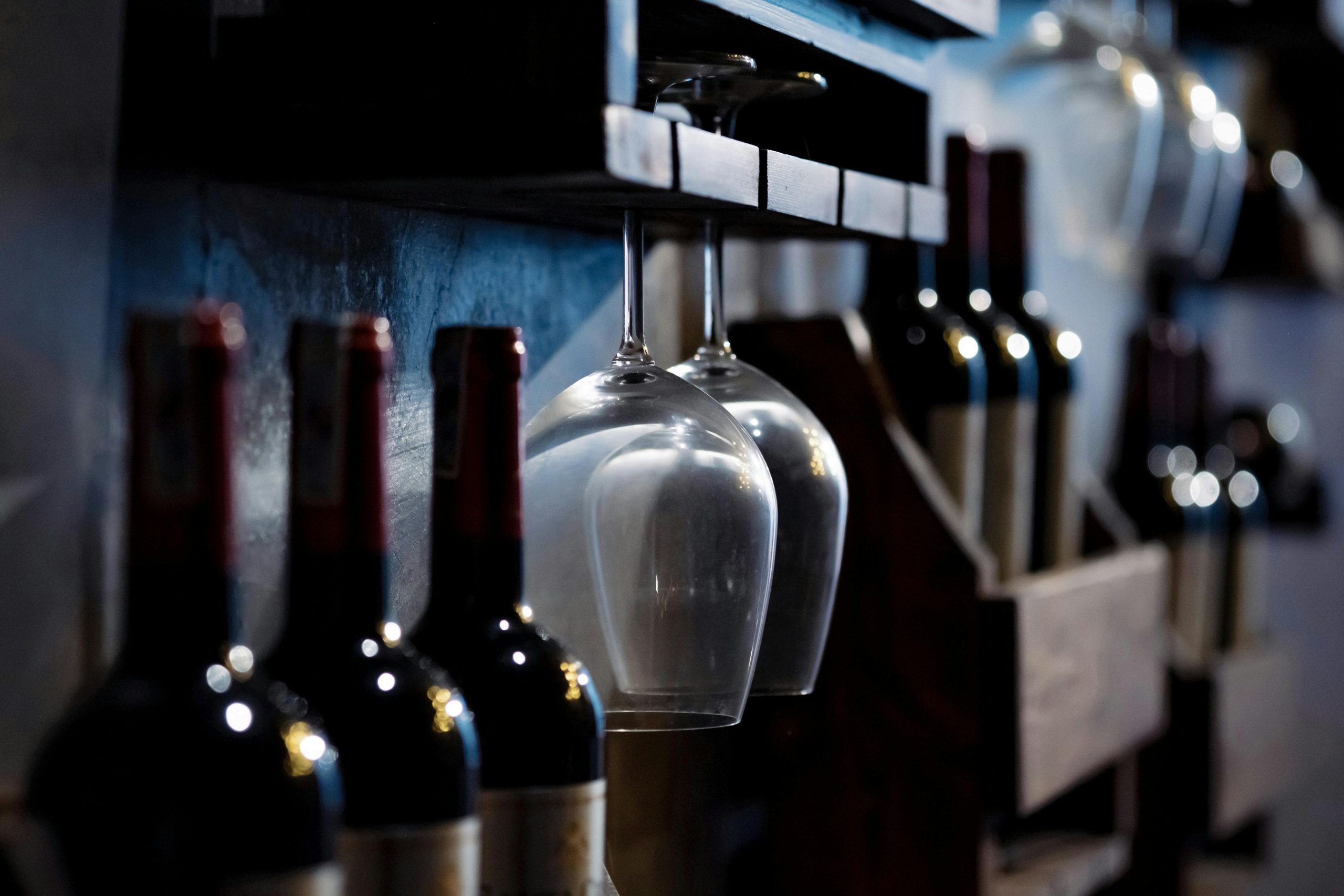
There is something undeniably romantic about the idea of a little cellar.
Not the kind hidden beneath a French château with walls covered in dust and old Bordeaux worth more than your car. Most of us are not living that life. Most of us are simply trying to keep a few decent bottles somewhere cooler than the kitchen shelf directly above the oven.
And honestly? That is perfectly fine.
A little cellar does not need to be grand to be meaningful. In many ways, small wine collections are often more personal than massive ones. Every bottle has a story. A memory. A reason for being there. Perhaps it was brought back from a holiday. Perhaps it was saved for a special dinner. Or perhaps you bought it during a supermarket promotion and are now emotionally attached to it because it survived three family birthdays untouched.
That counts too.
The truth is that creating a little cellar at home is far more achievable than many people think. You do not need a basement, expensive stone walls, or a medieval monk wandering around checking humidity levels. You simply need a bit of planning, some curiosity, and a willingness to stop storing wine beside the dishwasher.
Let us begin there.
What Is a “Little Cellar” Anyway?
A little cellar is exactly what it sounds like: a small personal wine storage space designed to keep bottles in good condition over time.
It could be:
- a dedicated wine cabinet,
- a shelf under the stairs,
- a cool pantry,
- a corner of a spare room,
- or even a cleverly organised closet.
The goal is not perfection. The goal is stability.
Wine generally dislikes dramatic changes. It wants peace and quiet. In this sense, wine resembles many middle-aged people.
Too much heat, direct sunlight, vibration, or constant temperature swings can age wine badly or damage it altogether. A proper little cellar protects bottles from those conditions while also giving you a pleasant place to slowly build a collection.
And no, your kitchen windowsill is not a cellar. Even if it looks aesthetic on Instagram.
Why Small Wine Collections Can Actually Be Better
There is a curious thing that happens when people first become interested in wine.
They imagine themselves becoming collectors.
Suddenly there are dreams of rare vintages, aging charts, and discussing tannins with suspicious confidence. Then reality arrives in the form of limited space, electricity bills, and the discovery that wine disappears remarkably quickly during family dinners.
But small collections have advantages.
A little cellar encourages:
- thoughtful buying,
- personal connection with the bottles,
- better rotation,
- less waste,
- and often a more enjoyable relationship with wine overall.
Large collectors sometimes forget what they own. Small collectors usually remember every bottle.
There is also less pressure. You do not need to become an investment expert overnight. You are building something personal rather than trying to impress auction houses in London.
Though if someone does admire your little cellar, you are absolutely allowed to look mysterious and knowledgeable for a few moments.
The Most Important Thing: Temperature
If wine could speak, it would probably spend most of its time complaining about temperature.
Too warm? The wine ages too quickly.
Too cold? The aging process slows dramatically.
Too much fluctuation? The cork expands and contracts, which can eventually allow air into the bottle.
For most wines, the ideal storage temperature is around 12–15°C (54–59°F). However, consistency matters even more than hitting the exact number.
This is why garages and kitchens are often problematic. They heat up during the day and cool down at night. Wine dislikes this sort of emotional rollercoaster.
Good places for a little cellar include:
- under-stair storage,
- interior closets,
- basements,
- insulated spare rooms,
- or wine fridges.
And if you are serious about long-term storage, it is worth learning more about proper wine care and handling, because storage conditions affect how a wine will eventually taste in the glass.
Humidity Matters More Than Most Beginners Realise
Humidity sounds boring until your cork dries out and your expensive bottle tastes like disappointment.
Traditionally, wine cellars maintain humidity levels around 60–70%. This helps keep corks from drying out over time.
Now, before anyone starts panic-buying industrial humidifiers, remember: most casual collectors do not need to obsess over this.
If your little cellar is reasonably cool and not extremely dry, you are probably fine.
The bigger danger for most people is heat rather than humidity.
Still, this is one reason why proper wine storage became such an important topic historically. Long before modern refrigeration, entire underground cellars were designed specifically to create stable environments for aging wine.
Wine has always been surprisingly demanding for a beverage that people casually open on Tuesday evenings while watching crime documentaries.
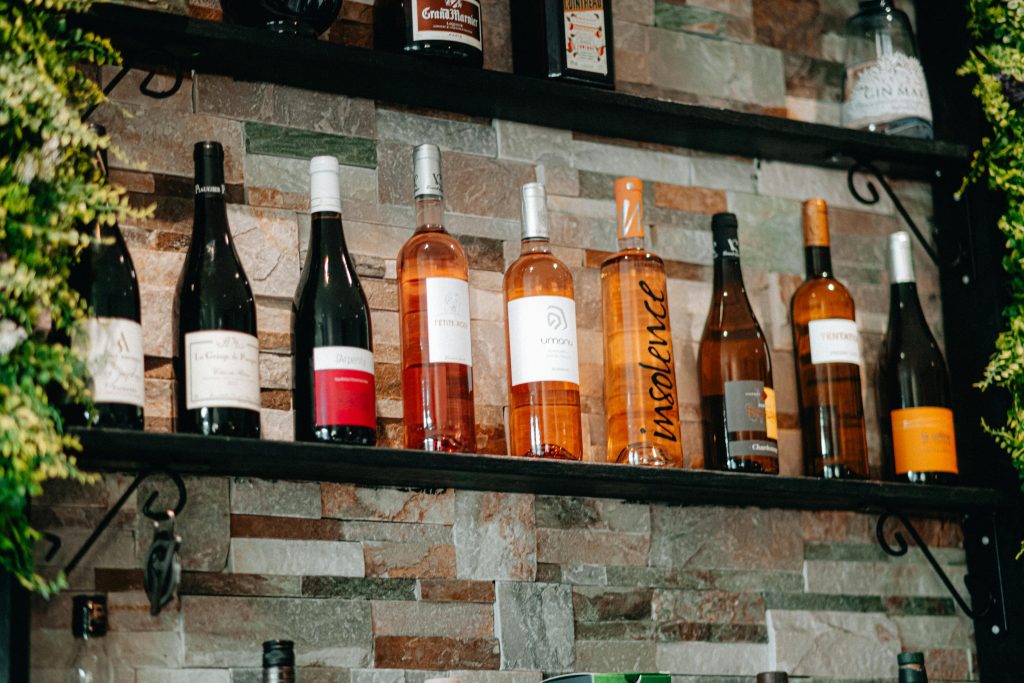
Light Is the Enemy
Wine and sunlight are not friends.
Direct UV exposure can damage wine compounds and accelerate aging. This is one reason why many wine bottles are dark green or brown.
If possible:
- store bottles away from windows,
- avoid direct artificial lighting,
- and do not display your best wines permanently under bright kitchen LEDs like museum exhibits.
A little cellar should feel calm and slightly dim.
Not haunted, necessarily.
But calm.
Do Bottles Really Need to Be Stored Horizontally?
Usually, yes.
When wine bottles are sealed with natural cork, storing them on their side helps keep the cork moist. A dry cork can shrink over time and allow oxygen into the bottle.
That said, modern screw caps have changed things somewhat. Wines with screw caps do not require horizontal storage in the same way.
Still, sideways storage remains the classic approach because:
- it saves space,
- looks beautiful,
- and honestly makes people feel like they know what they are doing.
Which is an important part of wine culture.
If you are interested in closures, corks, and why they matter so much in wine storage, it is worth reading more about the role of the cork itself.
You Do Not Need Expensive Wines
This may be the most liberating truth in the entire article.
A little cellar does not require luxury bottles.
Some wines age beautifully at modest prices. Others should simply be enjoyed young and fresh.
A balanced little cellar might include:
- a few everyday bottles,
- several “special occasion” wines,
- one or two experimental purchases,
- and perhaps a bottle you are intentionally aging out of curiosity.
That curiosity is part of the joy.
Wine teaches patience in a very tangible way. You wait. You store. You wonder what will happen over time.
Sometimes the wine becomes magnificent.
Sometimes it becomes vinegar.
This too is part of the educational process.
Learn Which Wines Actually Improve with Age
One of the biggest beginner mistakes is assuming all wine gets better with time.
It does not.
In fact, most inexpensive supermarket wines are made to be consumed relatively quickly.
Wines more suited for aging usually have:
- strong acidity,
- tannins,
- sugar,
- or significant structure.
Classic examples include:
- Bordeaux,
- Barolo,
- Riesling,
- Vintage Port,
- and certain Burgundy wines.
Meanwhile, many fresh whites are best enjoyed sooner rather than later. If you have ever wondered about this, here is a useful guide on how long white wine lasts and how storage changes its lifespan.
Sediment Is Not Always a Bad Sign
At some point, every little cellar owner experiences a moment of alarm.
You open an older bottle and suddenly discover strange particles floating inside.
Congratulations. You have encountered wine sediment.
This is often completely normal, especially in older reds and unfiltered wines. In many cases, sediment is actually a sign that the wine has aged naturally.
It is not glamorous looking, admittedly.
But wine was being made long before modern industrial filtration existed. Sediment is part of wine history.
If you want to understand this better, you might enjoy reading more about wine sediment and why it appears.
A Little Cellar Becomes Part of the Home
This may sound sentimental, but over time a little cellar often becomes more than storage.
It becomes:
- a memory shelf,
- a collection of future evenings,
- a record of travels and celebrations,
- and occasionally a reminder that you really should stop buying wine faster than you drink it.
There is something deeply comforting about knowing you have a few bottles waiting quietly somewhere in the house.
Not for status.
Not for display.
Just because good things are worth keeping properly.
And perhaps that is the real charm of a little cellar. It reminds us that wine is not only about tasting notes or expensive labels. It is about anticipation, care, patience, and small pleasures shared slowly over time.
Even if your “little cellar” is technically just a cupboard beneath the stairs beside the vacuum cleaner.
Many great things begin humbly.