Willamette Valley wineries fight climate change
By Stephen Alexander
As the last ice age neared its end, the ice dam in Montana holding glacial Lake Missoula
ruptured. In just days, an estimated 500 trillion gallons of water flowed forth, not stopping until
it reached the Pacific Ocean hundreds of miles away. Over the next several hundred years, Lake
Missoula continually refilled before spilling over again. The cataclysmic Missoula floods shaped
Oregon’s Willamette Valley.
Around 15,000 years later, Oregon’s Willamette Valley is home to more than 700
wineries. It features some of the most breathtaking views in the Pacific Northwest. Undulating
hills cascade across the landscape, filled with the vibrant green of vines cross stitched amidst the
unforgivingly harsh brown of the soil. With its rainy, mild winters and long growing season, the
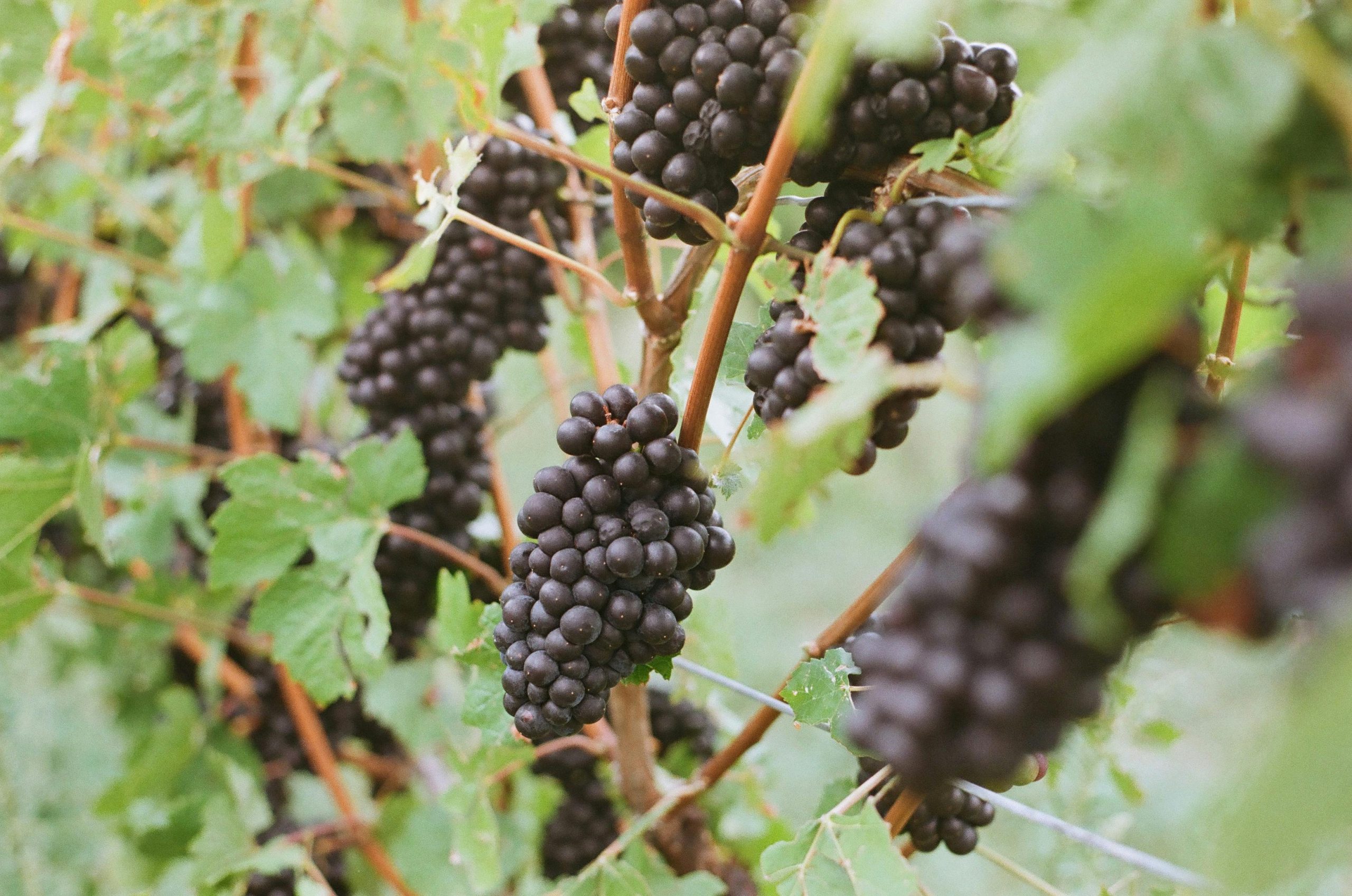
region is a nearly perfect place to grow the highly coveted pinot noir grape. Many believe that
those pinot noir grapes from the Willamette Valley produce the most exquisite wine on the
planet.
“The bottle you are experiencing is literally time in a bottle,” says Maggie Wejroch, the
winery ambassador at Domaine Willamette. “It contains the components of the weather, the
location, the soil content, the barrel. None of those components could ever be duplicated or the
same in producing a particular wine.”
That world-renowned glass of pinot noir, as well as the Willamette Valley itself, is in
peril. The effects of climate change are rampant in Oregon from never-before-seen heat domes,
to increased wildfires, to drought. As the world grapples with climate change, Willamette Valley
wineries are learning to persevere.
“A Real Sense of Loss”
In January of 2025, the Oregon Climate Change Research Institute at Oregon State
University released The Oregon Climate Assessment. It found that the average annual
temperature in Oregon had increased 2.2 degrees Fahrenheit over the last century. The Institute
estimated that the annual temperature is likely to continue increasing as much as five degrees
Fahrenheit by the year 2074. Just as troubling, 18 of the past 24 years have seen below average
precipitation in the Beaver State.
“A lot of people are feeling a real sense of loss of home and what Oregon is,” says Jana
Gastellum, executive director of Oregon Environmental Council. “Our summers are
not the same anymore. It’s hard to know, can you go to that special place in August, or will there
be wildfire evacuations or smoke?”
Warmer weather has had a massive effect on winemakers in the Willamette Valley. Derek
Einberger, the director of winemaking for Dobbes Family Winery and Wine by Joe explains that
to make wine, winemakers must allow grapes to stay on the plant beyond a ripeness which is
truly intended by the vine.
In some ways, it seems as though warmer weather would simply make the grapes ripen
quicker. However, in warmer vintages, grapes have a tendency to accumulate sugar more
quickly. When the ripeness of a grape and its sugar content are not in harmony, it changes the
flavor profile of the grape.
This impacts all grapes. Not just pinot noir. Tony Soter, the owner of Soter Vineyards,
refers to himself as “a little bit like the proverbial polar bear.” His first wine harvest was in Napa
Valley in 1975. He recalls that back then, winemakers harvested cabernet grapes in October.
Now, they are often forced to pick the same grapes in August.
A Glass of Innovation Paired with Collaboration
Heat of 100 degrees Fahrenheit or more is disastrous for the dark colored, soft pinot noir
grape. In extreme heat, the delicate grape will shrivel and essentially turn into a raisin. However,
the grapes require adequate sunlight to grow and prevent mildew spores from forming.
To find the proper balance of keeping grapes cool without depriving them of sunlight,
Soter Vineyards has begun using “wine sunscreen.” The winery takes an organically certified
refined clay, mixes it with water to make a “slurry” concoction and then sprays it onto the
grapes. This “wine sunscreen” allows the grapes to receive enough sunlight while protecting
them from excessive heat.
Willamette Valley wineries are also exploring where they plant grapes. Einberger notes
that other wine regions such as Napa have just about run out of geographic space to plant.
Fortunately for Oregon, the Willamette Valley has a massive amount of unplanted square
footage.
For years, the prevailing wisdom was that the best pinot noir came at elevations from
250-500 feet above sea level on an eastern or southeastern slope. As temperatures warm, though,
wineries are experimenting with planting as high as 600-900 feet above sea level where it is
cooler. Another possibility that would have been unfathomable a few decades ago is planting on
northern slopes and utilizing solar panels to ensure that the grapes receive enough sunlight.
Another asset for Willamette Valley wineries is their willingness to share their methods
with one another.
“There’s a very collaborative nature to the Oregon wine industry, Einberger says.
“There’s a philosophy of ‘a rising tide lifts all boats.’ We do it as a team. All of the creativity and
the innovations that come out of one winery generally get passed to other wineries. We work
together to adapt.”
A Bottle of Sustainability
Willamette Valley wineries are actively working to become more sustainable.
Oregon has more B Corporation-certified wineries than any other state in the U.S. The
certification is given out by the nonprofit group B Lab to companies that, among other
qualifications, “demonstrate high social and environmental performance,” according to B Lab’s
website.
Soter says that in its day-to-day operations, his winery has implemented practices such as
using echo-friendly lightbulbs throughout the business, using solar panels, monitoring water
consumption, using lightweight glass bottles, and eliminating aluminum bottle top capsules.
Becoming sustainable requires a financial investment. Soter believes it has been worth it,
though, as he sees many customers actively seeking out environmentally friendly wine.
“A lot of our customers are patrons because they think that the values that we espouse
and the way we do things aligns with their own values,” Soter says.
Climate change continues to be a global problem. If the trajectory continues, the
Willamette Valley could one day face consequences that are, in their own way, as significant as
the Missoula floods. In the near-term future, though, through both innovation and sustainability
efforts, the Willamette Valley is poised to continue producing exquisite wine.
“We make phenomenal pinot noir here,” Einberger says. “And that’s not going
anywhere.”
Stephen Alexander
Stephen Alexander is an award-winning journalist and the bestselling author of 10 books, including “A Notre Dame Man: The Life, Lore and Runs of Eric Penick” which spent 13 months on the bestseller list. He lives in Portland, Oregon, with his wife, Dr. Sarah Mahalic, their daughter Morgan Jane, and their rescue pug, Walter. Check out his Amazon Author Page.