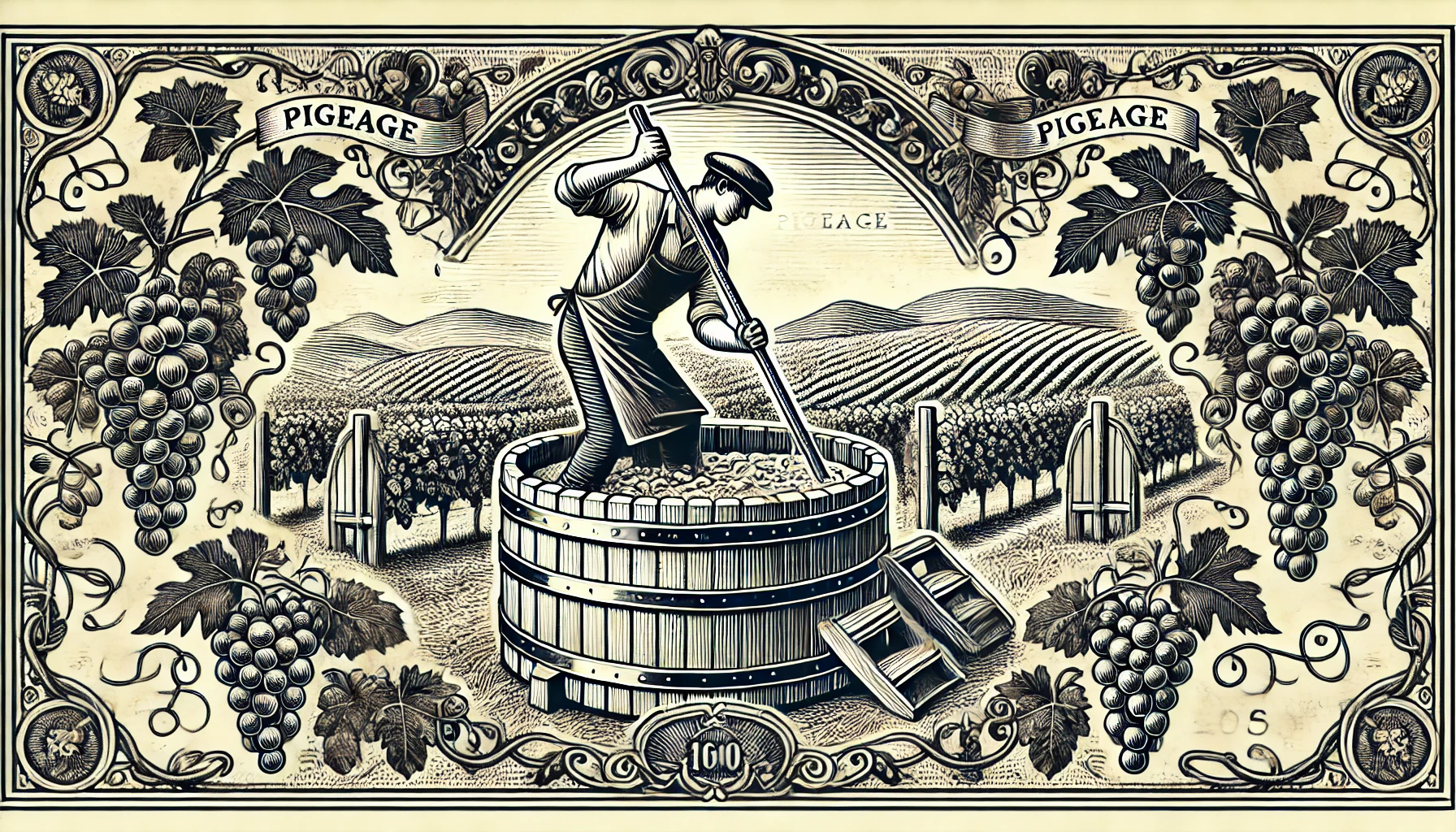
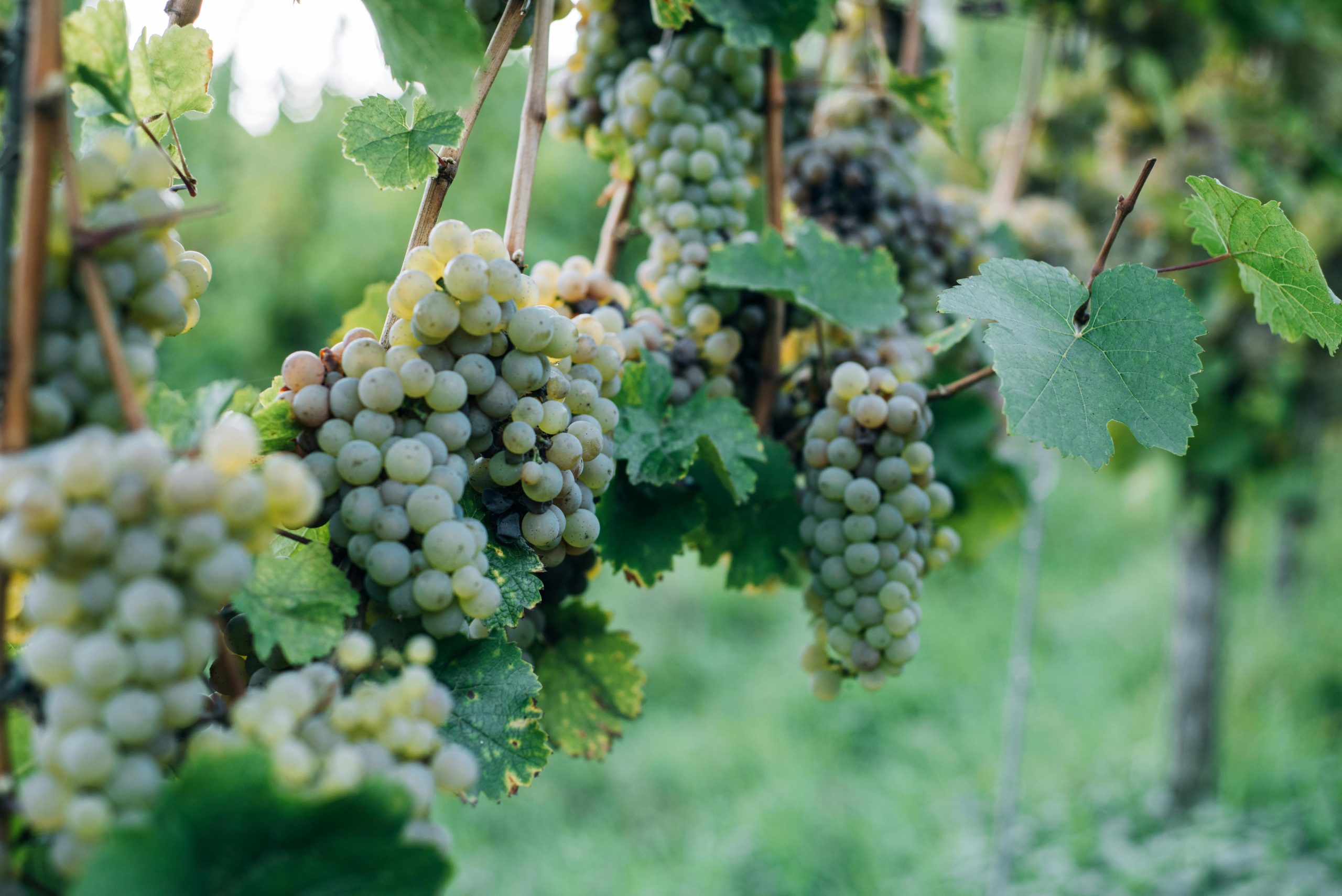
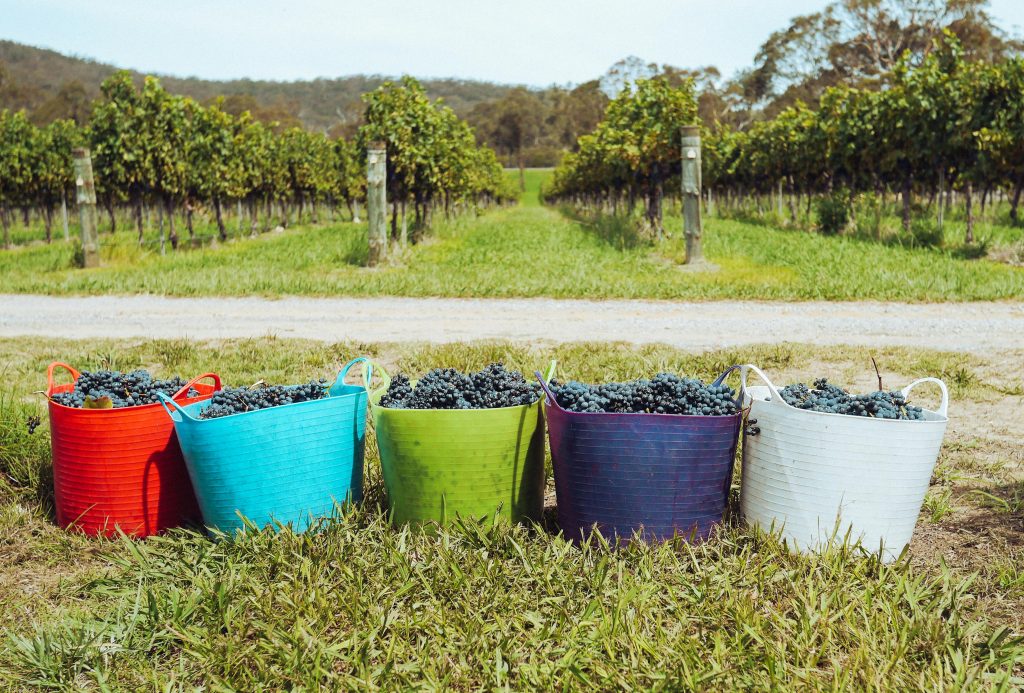
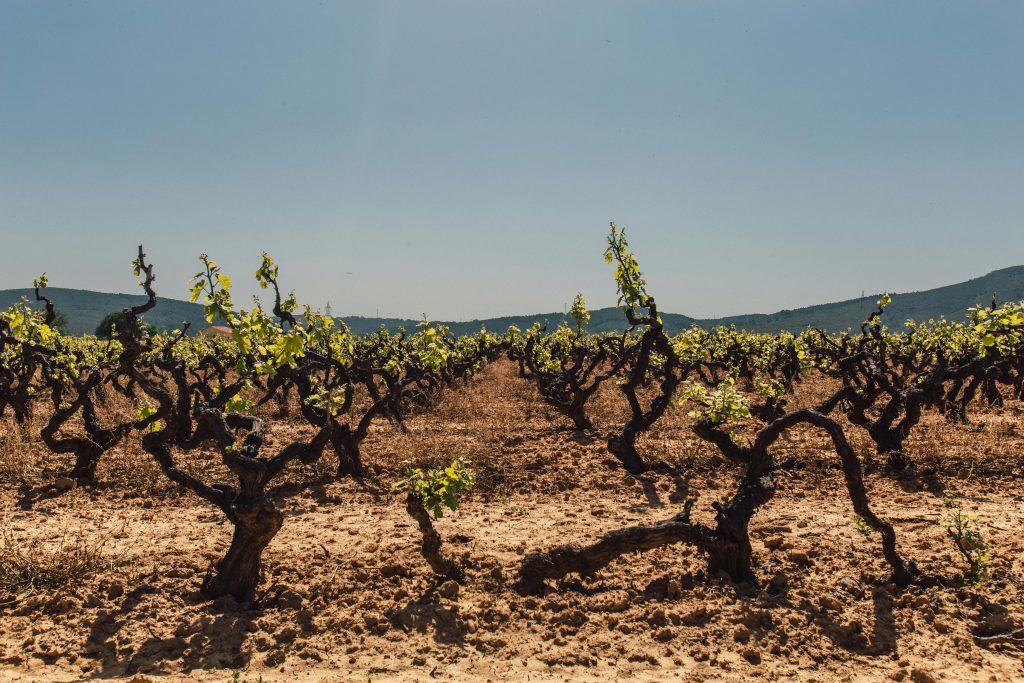
Pigeage is a traditional French winemaking technique used during fermentation, especially for red wines. It involves the manual “punching down” of the grape skins that float to the top of the fermentation vessel. This process helps submerge the skins back into the liquid, allowing for better extraction of color, flavor, and tannins. By ensuring the skins remain in contact with the fermenting juice, winemakers achieve a deeper, richer flavor profile in the final wine.
The term pigeage comes from the French verb “piger,” which means “to punch.” Historically, winemakers used long poles or paddles to punch down the cap, which is the layer of grape skins, seeds, and stems that forms during fermentation. Nowadays, the process may still be done manually in small-scale or artisanal winemaking, or through mechanical means in larger wineries.
Why Is Pigeage Important?
During fermentation, carbon dioxide is released, causing the grape skins to rise to the top of the fermenting vat. If left undisturbed, this cap can dry out and lead to poor flavor extraction. It can even develope unwanted bacteria. Punching down ensures that the cap stays moist and that the wine absorbs the maximum amount of desirable compounds from the skins.
The frequency and intensity of pigeage vary depending on the style of wine that you make. For lighter wines, winemakers might punch down the cap gently and less frequently, while for more robust wines, the process happens several times a day with more force. The result is a wine with greater structure and complexity, making pigeage a crucial step in producing high-quality red wines.
In modern winemaking, some producers opt for alternative methods, like pump-overs, where you pump the wine over the top of the cap. However, pigeage remains a preferred method for those aiming for traditional, handcrafted wines with deep flavors and rich textures.
Curious about more wine terms and insights? Visit our Wine Wiki section and explore the basic wine terms for expert definitions and tips!
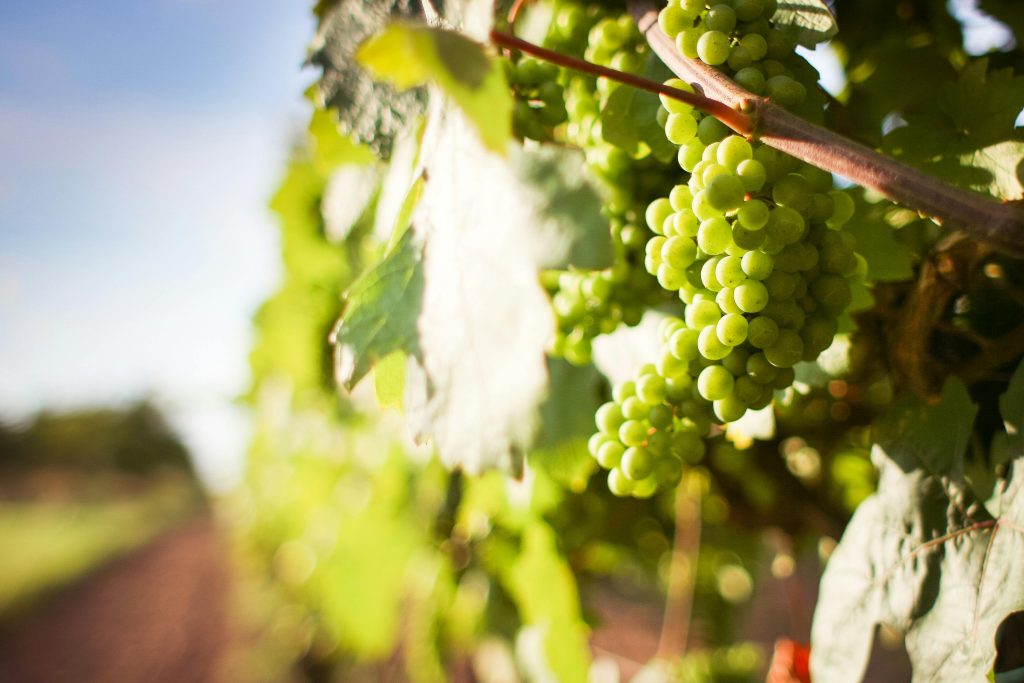
Dreaming of crafting your own wine from grapes grown in your backyard vineyard? Starting a small vineyard is a rewarding and enjoyable project. With patience, attention to detail, and a little space, you can grow your own grapes and turn them into bottles of wine that are truly yours. Let’s break down how to turn a small plot into a thriving vineyard, from the ground up.
1. Assess Your Space and Climate
Before planting, the first thing you need to evaluate is whether your backyard is suitable for grapevines. Grapes love sunlight, so your site needs to have plenty of direct exposure. In general, grapevines require at least 6 to 8 hours of sunlight each day. Ideally, you’ll want a spot that faces south or west, where it will receive the most sunlight.
Additionally, grapes grow best in temperate climates. That doesn’t mean you can’t grow grapes elsewhere, but different regions suit different types of grapes. Consider researching grape varieties that grow well in your local area. For example, cool regions are ideal for grapes like Pinot Noir, while warm climates are better suited for Cabernet Sauvignon or Zinfandel.
If you’re unsure about your specific climate, check your area’s USDA hardiness zone or consult local agricultural experts to determine the best types of grapes for your region.
2. Choose the Right Grapevines
Not all grapevines are created equal. When choosing grape varieties, you need to think about what kind of wine you want to produce, but also what grows well in your specific climate. Here are some common grape types based on climate:
You also need to decide whether you want to grow table grapes (for eating) or wine grapes (for winemaking). Wine grapes have thicker skins and higher sugar content, which are essential for fermentation.
Another key decision is choosing between seeded and seedless varieties. Wine grapes are usually seeded, while seedless grapes are typically grown for eating.
3. Prepare the Soil In Your Backyard Vineyard
Healthy soil is the backbone of any vineyard, and grapevines aren’t particularly picky, but they thrive best in well-draining soil with a slightly acidic pH (between 5.5 and 6.5). Before planting, it’s a good idea to test your soil’s pH level and nutrient content. You can buy soil testing kits online or take a sample to your local agricultural extension office for analysis.
If your soil isn’t ideal, don’t worry. There are plenty of ways to amend it. Add compost or organic matter to improve its structure and nutrient levels. If the soil is too alkaline, you can lower the pH by adding sulfur or other acidifying agents.
Also, make sure the area you choose drains well. Grape roots don’t like sitting in water, so if your soil tends to be heavy or clay-like, you may need to build raised beds or incorporate gravel for better drainage.
4. Set Up a Trellis System
Grapevines are climbers, which means they need support to grow properly. This is where a trellis system comes in. A trellis allows the vine to grow vertically, keeps the fruit off the ground, and makes it easier to manage and harvest.
There are several types of trellis systems to choose from, but the simplest is a two-wire trellis. Here’s how to set it up:
Drive posts into the ground about 6-8 feet apart.
Run a horizontal wire between the posts about 3 feet off the ground for the first level.
Add a second wire about 5-6 feet off the ground for the top level.
As the grapevine grows, you’ll need to train it to grow along these wires. Regular pruning is essential to keep the vines manageable and ensure healthy fruit production.
5. Planting Your Grapevines
Once your trellis is set up and your soil is prepared, it’s time to plant. The best time to plant grapevines is in early spring, after the last frost. Dig a hole for each vine deep enough to accommodate the root system—about 12 inches is a good rule of thumb.
Space the vines about 6-8 feet apart to allow them plenty of room to grow. Water them thoroughly after planting and mulch around the base to retain moisture.
For the first year, your main focus should be on training the vines. Keep them pruned and allow the roots to establish themselves. Don’t expect a harvest in the first year—grapes take time, and your first real crop will come in the second or third year.
6. Care and Maintenance
Starting a vineyard is just the beginning. To keep it healthy and productive, you’ll need to stay on top of vine care.
Pruning: Pruning is essential to controlling growth and ensuring your vine puts energy into producing high-quality fruit. Prune in late winter or early spring before new growth begins.
Watering: Grapevines are surprisingly drought-tolerant once established. During the first year, water regularly to help the vines get established. After that, you can cut back to watering during dry spells.
Fertilizing: Grapevines don’t need much fertilizing. A light application of a balanced fertilizer (10-10-10) in early spring should suffice.
7. Pest and Disease Control
Unfortunately, grapevines are not immune to pests and diseases. Common issues include powdery mildew, downy mildew, and various insects like grapevine moths or Japanese beetles. To keep your vines healthy, it’s important to monitor for any signs of problems early on.
Using organic methods such as companion planting (growing plants that repel pests near your vines) or introducing natural predators can help control pests without harsh chemicals. In the case of fungal issues, make sure your vines have good air circulation by not overcrowding them and pruning regularly.
8. Harvesting Your Grapes
By the second or third year, you’ll finally be ready to harvest the grapes from your backyard vineyard. Grapes are usually ready for picking in late summer or early fall, depending on the variety. The best way to know if your grapes are ready is by tasting them. The grapes should be sweet, flavorful, and fully colored.
Use sharp pruning shears to cut the grape clusters from the vine, being careful not to damage the plant. And now comes the fun part—wine making!
9. Making Wine at Home
Once you’ve harvested your grapes, you can start turning them into wine. You don’t need a lot of fancy equipment, but you will need a few basics: a crusher to break open the grapes, a fermentation vessel, and bottles for aging the wine.
The process begins with crushing the grapes and allowing them to ferment. This can take anywhere from a few days to several weeks, depending on the type of wine you’re making. After fermentation, the wine is pressed to remove the skins and seeds, then aged in bottles or barrels.
Of course, making wine from your own backyard vineyard is both an art and a science, so it may take some trial and error to perfect your blend. But the satisfaction of sipping a wine made from grapes grown in your own backyard? Totally worth it.
Starting a backyard vineyard is a rewarding way to deepen your appreciation for wine. It takes time, effort, and a bit of patience, but the results—both in the wine you produce and the joy of growing it yourself—are well worth it. So, get planting, and in a few years, you’ll be raising a glass of your very own homemade wine soon.
When you love wine but space is limited, getting creative with wine storage becomes essential. Whether you’re in a city apartment or a cozy home with no dedicated cellar, you can still store your precious bottles in a way that ensures they stay at peak quality while also adding a touch of sophistication to your living space. Here’s how to solve your wine storage dilemmas for small spaces, with some clever, practical, and even stylish solutions.
1. Understand Wine Storage Basics
Before looking into storage solutions, let’s quickly review the core principles of wine storage. There are a few key things every wine lover should keep in mind:
Temperature: Wine should be stored at a consistent temperature, ideally between 12-15°C (55-59°F). Fluctuations can cause wine to age prematurely.
Humidity: A humidity level around 70% is ideal. Too much humidity can encourage mold growth, and too little can dry out corks, leading to oxidation.
Light: Wines should be kept away from direct sunlight. UV rays can damage wine and affect its flavor.
Vibration: Minimize movement. Too much shaking can disturb the aging process of wine.
With these basics in mind, let’s look into storage ideas that work even when space is tight.
2. Under-Cabinet Wine Racks
If you have some underutilized space beneath your kitchen cabinets, consider an under-cabinet wine rack. These racks attach directly underneath the cabinet and allow you to store several bottles horizontally, the way wine is meant to be stored. This method keeps your wine accessible and beautifully on display without taking up extra counter space.
You can even combine it with hanging stemware racks to store your glasses alongside your bottles, creating a mini wine station right in your kitchen.
3. Wall-Mounted Wine Racks
When floor space is limited, think vertically. A wall-mounted wine rack can hold multiple bottles, keeping them out of the way but still within easy reach. Wall racks come in a variety of designs, from sleek modern styles to rustic wooden pieces, allowing you to match your home décor.
Some racks are designed to hold just a few bottles, while others can store up to 20 or more. This option works well in dining rooms, living rooms, or even hallways where floor space is at a premium.
4. Floating Shelves
Floating shelves are another great way to make use of vertical space. You can install a series of shelves on a kitchen or dining room wall to hold both bottles and glasses. This arrangement keeps everything organized and stylish without eating up any floor space.
Choose sturdy shelves that can handle the weight of multiple bottles. You can even combine floating shelves with decorative elements like framed wine labels, giving your wine display a personal touch.
5. Convert Closet Space
A coat closet or pantry can be easily transformed into a small wine storage area. With a few simple modifications, such as adding racks or wine crates, you can keep your collection stored in a dark, temperature-controlled space. You might even install a small cooling unit if you have more valuable or temperature-sensitive bottles.
Converting closets is perfect for people with limited open space who want to store wine out of sight but still in optimal conditions. Don’t forget to add some small battery-operated lights if you need better visibility in your closet-turned-cellar.
6. Wine Refrigerators for Small Spaces
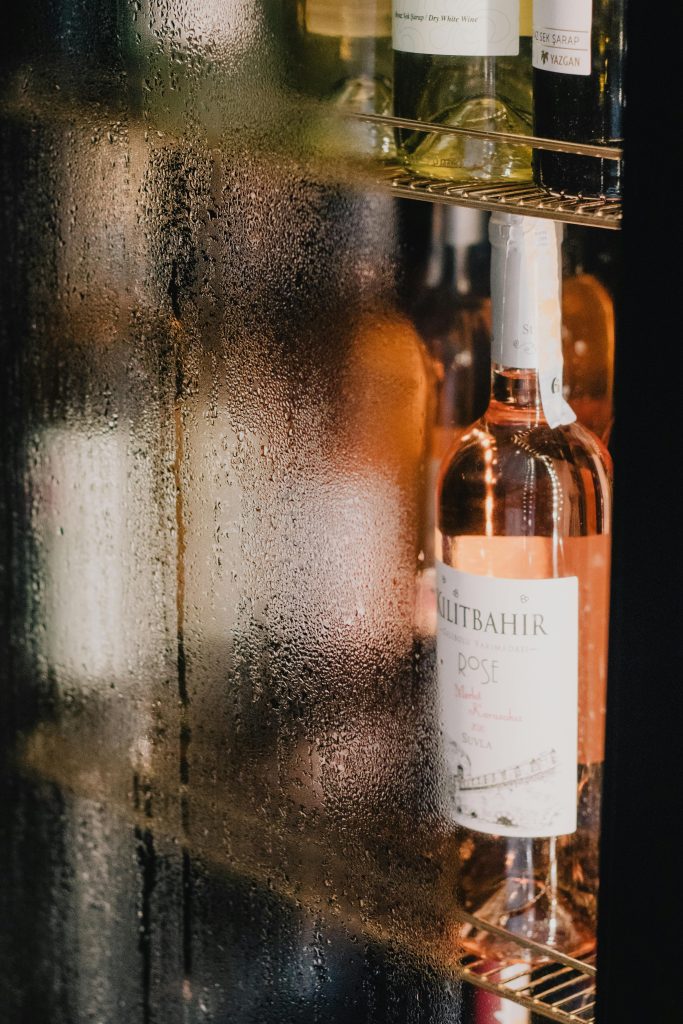
If you’re serious about wine storage but lack space for a traditional cellar, a compact wine refrigerator is an ideal solution. These fridges come in a range of sizes, with options to hold anywhere from 6 to 40 bottles.
They’re designed specifically for wine, maintaining the perfect temperature and humidity levels. Some models even come with dual zones, allowing you to store both white and red wines at their ideal temperatures. You can tuck a small fridge under your kitchen counter or in a discreet corner.
7. Stackable Modular Wine Racks
For flexibility in a small space, stackable modular wine racks are a lifesaver. These racks can be adjusted to fit whatever space you have, whether it’s a narrow corner or a shelf in your pantry. You can start small and add more units as your wine collection grows.
Since modular racks are customizable, you can easily move them around if needed, making them a great solution for renters or those who frequently rearrange their space.
8. Corner Wine Storage Units
Many homes have awkward corners that are hard to utilize effectively. Corner wine storage units make the most of this often-wasted space. Whether it’s a small shelf, a corner wine cabinet, or even a rotating lazy susan designed for bottles, using a corner can add some much-needed storage capacity without taking up the middle of the room.
This works especially well in living rooms, where you can combine wine storage with other decorative elements like plants, artwork, or books.
9. Wine Crates or Boxes
If you’re looking for a budget-friendly and rustic solution, repurposing wooden wine crates or boxes can be an effective and aesthetically pleasing option. Stack them in various configurations to create a flexible, DIY wine storage system that works for your available space.
Wine crates can be placed in a closet, under furniture, or even stacked to create a makeshift wine wall. Since they can be easily moved, they’re a great option for people who need flexibility in their storage solutions.
10. Under-Stair Wine Storage
If you live in a multi-story home, the space beneath your stairs can be a perfect place for storing wine. Often overlooked, this area can be converted into a sleek and stylish wine storage solution. You can either install custom-built racks or use modular storage units to fit the dimensions of the space.
Under-stair storage is ideal because it tends to stay cool and dark, protecting your wine from heat and sunlight.
11. Furniture with Hidden Wine Storage
For a truly integrated storage solution, look for furniture that comes with built-in wine storage. Coffee tables, end tables, and console tables with hidden compartments or wine racks can double as functional furniture and wine storage. This option works especially well in small living rooms or dining areas.
Look for furniture pieces that fit your space and complement your existing decor. It’s a practical and stylish way to keep your wine collection close without sacrificing precious square footage.
12. Repurpose a Bookshelf or Sideboard
Sometimes the best solutions are right in front of you. A sturdy bookshelf or sideboard can easily be transformed into a wine storage unit. Simply add some wine racks or holders to keep the bottles horizontal, and you’ve got yourself an instant wine display.
This is a great option if you already have a bookshelf that’s underutilized. You can mix and match wine storage with books or decor for a visually interesting and functional setup.
13. Portable Wine Carts
If you entertain often, a portable wine cart can be a stylish and practical way to store your wine in a small space. Wine carts come with built-in racks for bottles and glasses, making it easy to roll your collection from one room to another during dinner parties or wine tastings.
When not in use, simply tuck the cart into a corner or against a wall. It keeps your wine handy without taking up permanent space.
Final Thoughts
You don’t need a sprawling wine cellar to store your wine properly. Whether you opt for wall-mounted racks, floating shelves, or a small wine fridge, there are plenty of ways to make room for your wine collection, no matter how limited your space may be.
With these wine storage solutions for small spaces, you can keep your bottles safe, accessible, and beautifully displayed—ensuring that when you’re ready for that perfect glass, your wine is at its very best.
Cider has been sparking debates for years. Is it wine? Is it beer? The truth is, it doesn’t fit neatly into either category, and that’s where things get interesting. Cider, with its fresh apple flavor, can feel like a refreshing pint on a hot day, but its fermentation process makes it seem more like wine. This tug-of-war between its beer-like vibe and wine-like production leaves many wondering: Where does it truly belong?
To solve this mystery, we need to look into the process of how cider is made, its history, and what sets it apart from both wine and beer.
What Exactly Is Cider?
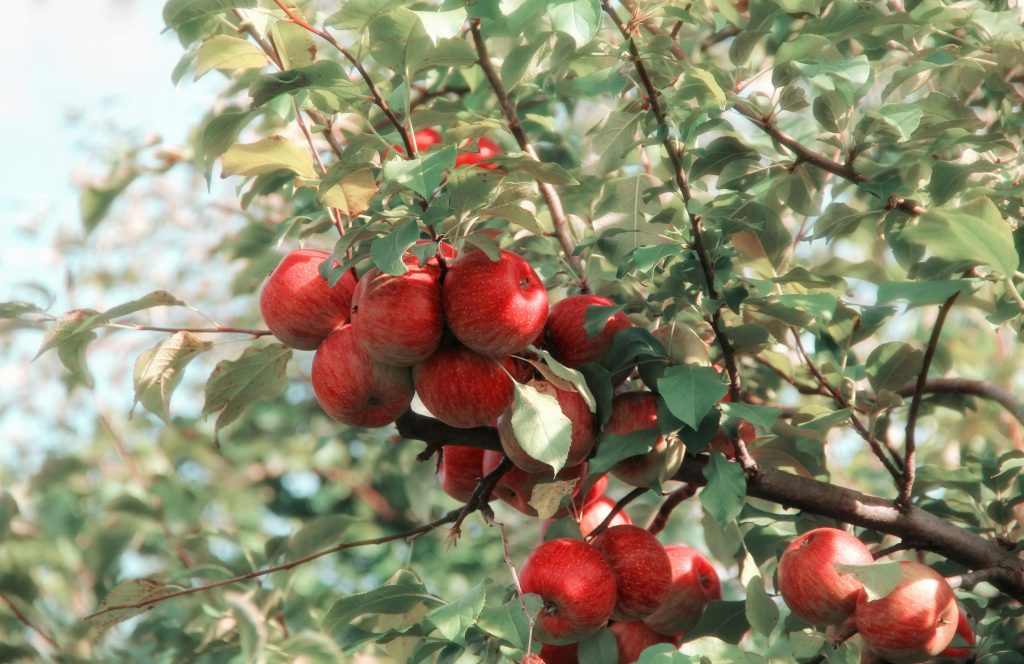
Cider, at its core, is a fermented drink made from apple juice. That’s the simple version. But, when we talk about cider, we’re often referring to “hard cider” (as Americans call it), the alcoholic version of the beverage. In other parts of the world, particularly Europe, cider is a well-known term for alcoholic apple drinks, without the need for “hard” before it.
In contrast to non-alcoholic apple cider, hard cider goes through fermentation, a process in which yeast converts the sugars in apple juice into alcohol. But is this process more like making wine or beer? It might surprise you how much it leans toward wine, at least in production.
Cider vs. Wine: The Production Process
Wine lovers, this one’s for you. Making cider mirrors wine production more closely than it does beer brewing. In winemaking, the juice of crushed grapes ferments with natural or added yeasts, and over time, the sugars turn into alcohol. In cider production, the process is remarkably similar, but with apples instead of grapes.
Here’s how it works: Cider makers press fresh apples to extract the juice, which they then ferment. Sometimes they use wild yeasts (which occur naturally in the apples and air), or they might add specific strains to control the fermentation. Fermentation happens in vats, just like wine, and once the sugar in the apple juice has fermented into alcohol, cider is born.
However, unlike wine, it doesn’t require aging in barrels for years. In many cases, it is ready for drinking a few months after fermentation begins. But the process is still all about fruit and fermentation, which makes it closer to wine than beer in terms of how it’s made.
The Beer-Like Characteristics
Now, if cider production looks more like winemaking, why do people often associate it with beer? That comes down to the drinking experience. Like beer,it is often carbonated. Most people enjoy it cold, straight from the fridge, and with its bubbles fizzing at the top, it resembles a beer in a glass. It can also be enjoyed in the same settings — at the pub, in a bottle, or at a backyard barbecue.
The alcohol content of cider tends to sit somewhere between beer and wine as well. While most beers range from 4-6% alcohol by volume (ABV) and wine generally starts around 12% ABV, cider tends to hover between 4-8% ABV. It’s a middle ground in both strength and vibe.
But carbonation is a big one here. Most ciders, especially the mass-market varieties, are sparkling, like beer. However, craft and traditional ciders are often still, more like wine. This can confuse things even more.
A Walk Through Cider’s History
To understand cider’s unique position, we need to look back at its long history. Cider goes back to ancient times, especially in regions where apples were plentiful. In early Europe, particularly in what is now the UK and parts of France and Spain, people made and drank it centuries before beer was the go-to drink for pubs and taverns.
In fact, in medieval England, it was more popular than beer in certain areas because apples were more available than grain. Workers in the countryside often drank cider in place of water, which wasn’t always clean or safe to drink. It quickly became a staple of rural life, deeply rooted in local cultures.
Meanwhile, wine dominated the warmer regions where grapes flourished. So, it became the drink of the northern, cooler climates, where vineyards struggled. People in these regions cultivated apples specifically for making cider, developing an incredible variety of apples that produced the complex, sharp flavors found in traditional ciders today.
Interestingly, in the 19th and 20th centuries, it started to be pushed aside as industrialization boosted beer production. Beer was easier to mass-produce, store, and distribute, making it the drink of choice in urban areas. Still, in rural parts of England, Spain, and France, it never lost its footing.
The Great Divide: Beer Drinkers vs. Cider Lovers
It’s safe to say beer and cider share some crossover fans, but many drinkers stand firmly on one side. Beer drinkers may feel that it is too sweet, too “fruity” compared to the depth and complexity of beer’s hops, malt, and yeast flavors. Cider lovers, on the other hand, often appreciate the lighter, crisper profile, and they argue that it offers more natural, refreshing notes than beer’s bitter aftertaste.
The funny thing is, there’s a wide spectrum of cider just like there is for beer. While beer lovers may think it is always sweet, many ciders are bone-dry, complex, and tannic. Some ciders go through secondary fermentation in the bottle (similar to Champagne) and develop elegant bubbles and layers of flavor that rival sparkling wines. It doesn’t fit into any neat box.
Is Cider Beer in the US?
Now, there’s a fun quirk to how it gets classified in different parts of the world. In the United States, thanks to Prohibition-era laws, cider is often regulated under beer laws. This makes sense from a commercial perspective, as it is sold similarly to beer, but it doesn’t quite align with how the drink is made. On the production side, cider is clearly more like wine.
In Europe, it is seen more as its own distinct category, but it still sits closer to wine than beer. Even in the way it’s taxed, cider is often treated like wine, especially if the ABV is higher.
The Future of Cider
In recent years, cider has been making a comeback, particularly in the craft beverage scene. People are rediscovering the art of its making, with an emphasis on local apples, traditional fermentation methods, and innovation in flavors. Just like craft beer, small cideries are popping up everywhere, experimenting with new ways to enjoy this ancient drink.
There’s also a growing movement toward “cider terroir,” where the apples’ growing region influences the flavor profile, much like in wine. Different apple varieties, soil types, and climate conditions affect the taste, and cider makers are keen to showcase this in their products.
On top of that, cider’s versatility is winning over new fans. You can find ciders infused with herbs, spices, and even hops (bringing it a little closer to beer). There are rosé ciders, barrel-aged ciders, and ciders made from single varietal apples — all adding layers to the question of where cider belongs in the drink world.
So, What Is It?
At the end of the day, it is its own thing. It borrows a bit from both wine and beer, but it doesn’t fit squarely in either category. Its production mirrors wine, but its drinking experience leans toward beer. Maybe that’s the beauty of it. It can be whatever you want it to be.
Whether you prefer to sip a crisp, refreshing cider on a sunny day or enjoy a rich, barrel-aged one by the fire in winter, there’s a cider for every occasion. And that’s why it doesn’t matter whether it’s more like beer or wine. It’s something entirely different — and that’s what makes it special.
Conclusion
Next time someone asks, “Is cider a wine or a beer?” you can tell them that it’s neither. And both. It’s a fermented drink with the soul of an apple, and no matter which side you’re on — team wine or team beer — cider has something to offer.
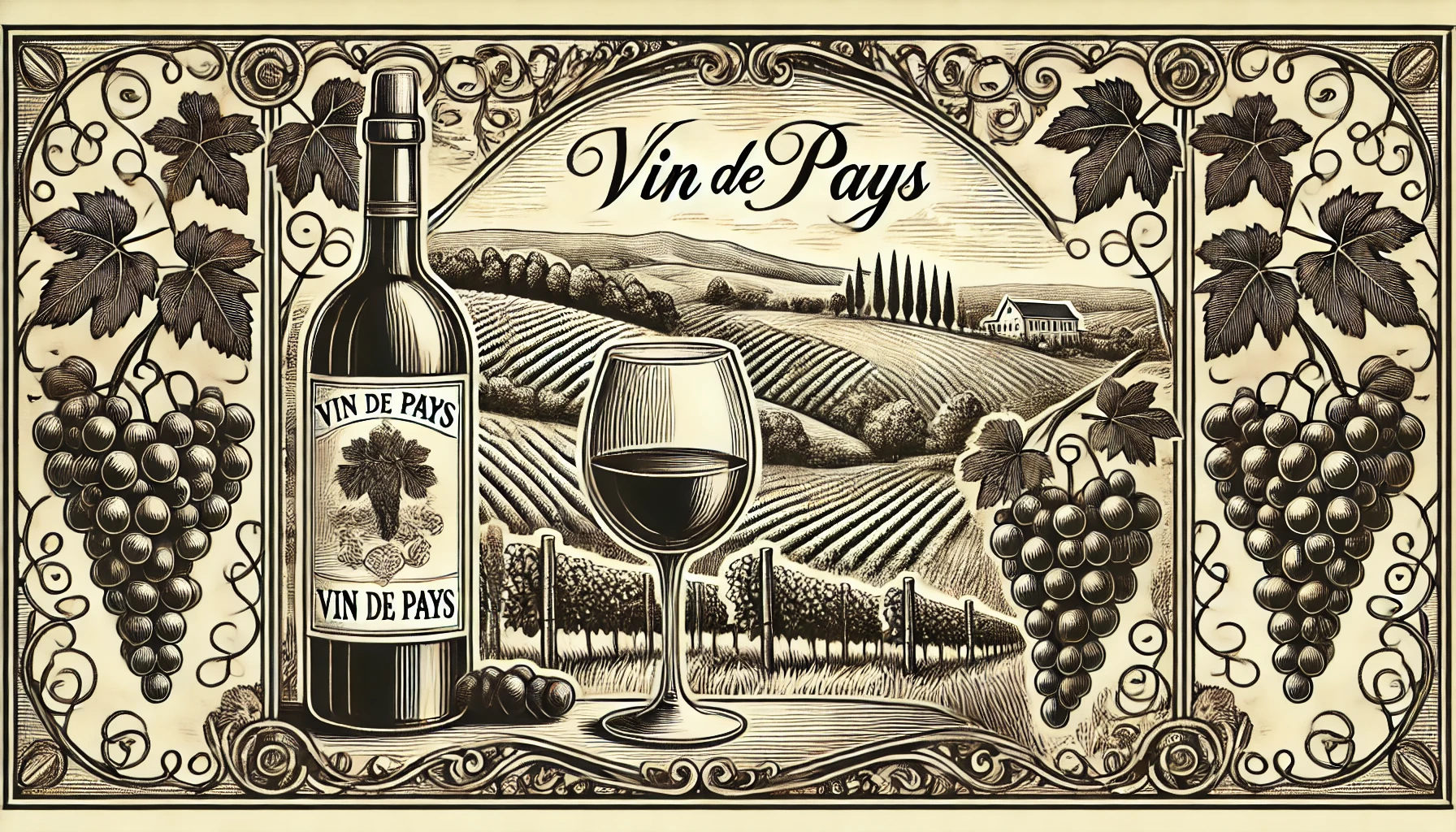
Vin de Pays refers to a French wine classification, one step above Vin de Table (table wine) and below AOC (Appellation d’Origine Contrôlée). It translates to “country wine” and gives winemakers more flexibility in terms of production compared to stricter regulations for AOC wines. It allows winemakers to use grape varieties that may not be permitted under AOC rules, giving them the freedom to experiment with blending and styles.
Three Main Categories of Vin de Pays
Vin de Pays Régionaux, Vin de Pays Départementaux, and Vin de Pays de Zone. The regional designation covers broad areas like Vin de Pays d’Oc, which includes the Languedoc-Roussillon region. Vin de Pays Départementaux refers to specific departments within a region. Lastly, Vin de Pays de Zone is for smaller, more localized areas.
Wines under the Vin de Pays label must still follow certain guidelines, including limits on yield and alcohol content. However, compared to AOC wines, these rules remain much more lenient. Winemakers do not have to use traditional grape varieties or adhere to specific aging requirements, which makes Vin de Pays wines more affordable and often more innovative.
The Vin de Pays designation often appeals to wine drinkers looking for quality wines at a lower price point. It gives them a chance to explore diverse styles and blends that might not fit within the rigid AOC rules. Many winemakers take pride in producing Vin de Pays wines because it allows for creativity and diversity. As a result, the category offers a wide range of wines, from simple, easy-drinking bottles to more complex and ambitious projects.
This category has gained popularity, especially with consumers seeking affordable wines that still showcase the unique characteristics of French terroir. These wines can surprise you with their quality, often offering exceptional value compared to pricier alternatives. They represent a bridge between the strict tradition of AOC wines and the freedom of modern winemaking.
Curious about more wine terms and insights? Visit our Wine Wiki section and explore the basic wine terms for expert definitions and tips!
When you imagine spending €15,000 on a bottle of wine, you probably picture a bottle that comes from an exclusive vineyard, with a rich history and carefully nurtured vines. You wouldn’t expect it to be a cheap supermarket wine dressed up in fake labels and passed off as a Grand Cru. Yet, this very deception has been playing out across Europe, with counterfeit wine makers pocketing millions of euros from unsuspecting collectors.
Let’s look into the recent revelations about counterfeit wine, and how global authorities are working to combat these complex, international schemes.
The Operation That Exposed a New Kind of Wine Fraud
In October 2024, Europol, in coordination with French, Italian, and Swiss authorities, arrested six individuals who had been operating a sophisticated network of wine counterfeiting. They weren’t just making a few fake bottles here and there—this group was using mass-produced, inexpensive wine, re-bottling it, and selling it as luxurious vintages at jaw-dropping prices. Some bottles were sold for as much as €15,000 each, a price usually reserved for iconic wines from regions like Bordeaux or Burgundy.
These counterfeiters targeted high-end wine collectors globally, with much of their fake wine being shipped out of an airport in Italy. Their scheme wasn’t just about re-labeling; it involved recreating the entire package—bottles, corks, labels, and even false certificates of authenticity. It wasn’t until one unlucky buyer questioned the authenticity of the wine that authorities were able to begin unwrapping the layers of fraud.
The Market for Luxury Wine: Why It’s Such a Target
Luxury wine isn’t just about the drink itself; it’s about status, heritage, and, often, investment. Some bottles increase in value over time, much like stocks or gold. Wealthy collectors are willing to pay top dollar for rare vintages or bottles from famous winemakers, not just to drink them but to add them to their investment portfolios. This creates a perfect storm for counterfeiters. The more prestigious the wine, the easier it becomes to sell fakes. Buyers don’t always want to open their €15,000 bottle just to check if it tastes like the real deal.
Counterfeiters, therefore, thrive on this mystique and the fact that so many high-end wine purchases are made based on reputation alone. Once a bottle has the right label and the right story, it becomes easier to sell—even if what’s inside is of far lower quality than the packaging suggests.
The Dark History of Counterfeit Wine
Counterfeit wine is not a new problem. In fact, fraudulent wine sales have been happening for decades. One infamous case involved Rudy Kurniawan, a wine collector and dealer who in the early 2000s sold counterfeit bottles to some of the wealthiest collectors in the world. His downfall came in 2013 when he was sentenced to prison for one of the biggest wine frauds in history. He’d been refilling old bottles with cheaper wine, resealing them, and selling them as rare, historic vintages. It’s estimated that Kurniawan’s fakes alone cost collectors over $35 million.
Since that time, other groups have attempted similar schemes, but as technology improves, so does the ability of counterfeiters to create more convincing fakes. Today, some operations, like the one uncovered by Europol, have taken the deception to a new level, using mass production techniques to supply a steady flow of fake luxury wines.
Counterfeit Wine: The Perfect Crime?
Selling fake wine might seem like a “victimless crime,” especially to those outside the world of wine collecting. After all, it’s just wine, right? But in reality, the consequences run deeper than a bad purchase.
For one, counterfeit wine damages the reputations of legitimate vineyards. Every time a fake wine makes its way into the market, it reduces trust in the industry, and consumers begin to question even genuine luxury wines. Additionally, collectors who spend significant amounts of money on counterfeit bottles can suffer major financial losses—some of which are never recoverable.
This particular network, exposed by Europol, was operating at such a large scale that authorities believe it may have affected wine markets in Switzerland, Italy, and beyond. The investigation revealed that the counterfeiters had connections to other criminal organizations, and they even managed to evade detection by using legitimate channels to distribute their fake wines.
The Role of Technology in Uncovering Counterfeits
One key element in breaking up these counterfeiting networks has been technology. Investigators aren’t just relying on taste tests to confirm whether a wine is genuine or not. They’re using forensic analysis to check everything from the age of the cork to the ink used on labels. One breakthrough came when Europol analysts compared the caps and capsules of counterfeit bottles to those used in legitimate wines, finding clear differences.
Moreover, many vineyards are now using high-tech methods like blockchain and RFID tags to track the authenticity of their bottles. By embedding a digital signature into the label or bottle, they can offer proof that a particular bottle came from their vineyard, adding a layer of security to each sale. This kind of traceability is becoming increasingly important as wine counterfeiting continues to evolve.
What’s Next in the Fight Against Wine Fraud?
As wine counterfeiting becomes more sophisticated, authorities must keep pace. Operations like the one led by Europol are essential, but they are just the beginning. Wine collectors are also becoming savvier. Many now insist on complete documentation before making a high-end purchase. Some even rely on independent authentication services, which use a combination of historical research and scientific testing to confirm the origins of a bottle.
For everyday wine enthusiasts, the rise of wine counterfeiting might seem distant, but it’s worth considering the implications. As counterfeit operations expand, they could begin targeting mid-tier wines—those that are still expensive but aren’t quite at the €15,000 level. This makes it essential for buyers to inform themselves, and to know what to look for, and to approach high-end wine purchases with a healthy level of skepticism.
Conclusion: Protecting the World of Wine
Counterfeit wine is a growing threat to the integrity of the wine industry. Whether it’s a small operation refilling old bottles or a large-scale network distributing fake wines globally, the damage done by these scams is real. Thanks to the combined efforts of Europol and international authorities, we are one step closer to curbing this dangerous trend. But with the stakes so high in the luxury wine market, the fight against counterfeit wine will undoubtedly continue.
For collectors, vineyards, and even casual wine drinkers, awareness is key. The more informed we all are about the risks of wine fraud, the better equipped we’ll be to protect one of the world’s most beloved beverages.
This is a serious issue, but we can be tackle it with knowledge, technology, and vigilance. Whether you’re spending €15,000 or €15, it’s important to enjoy your wine knowing it’s the real deal.
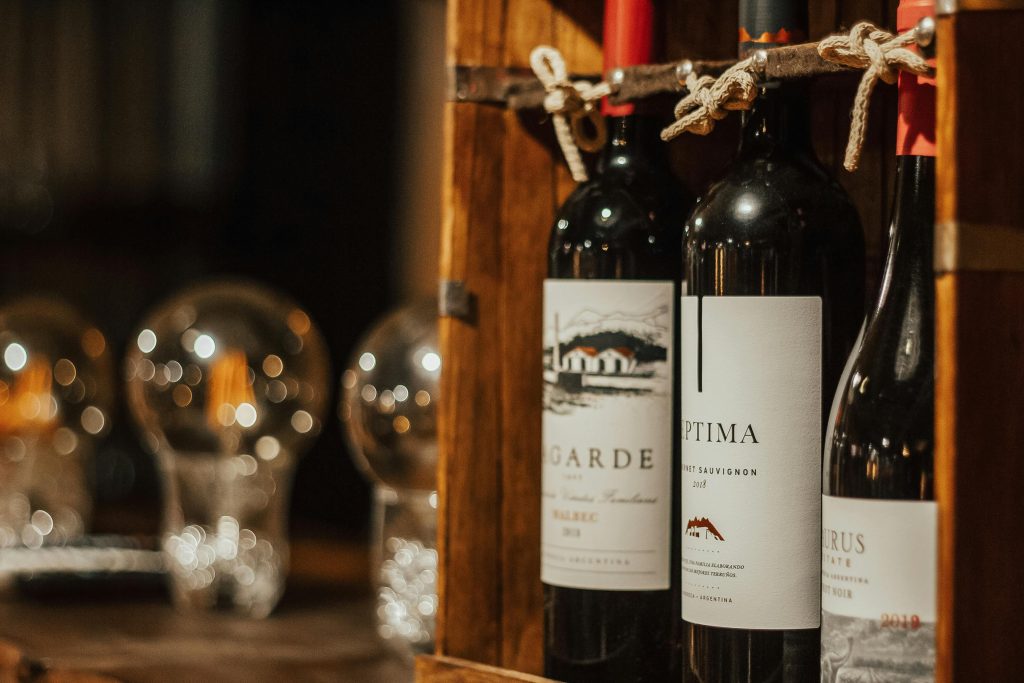
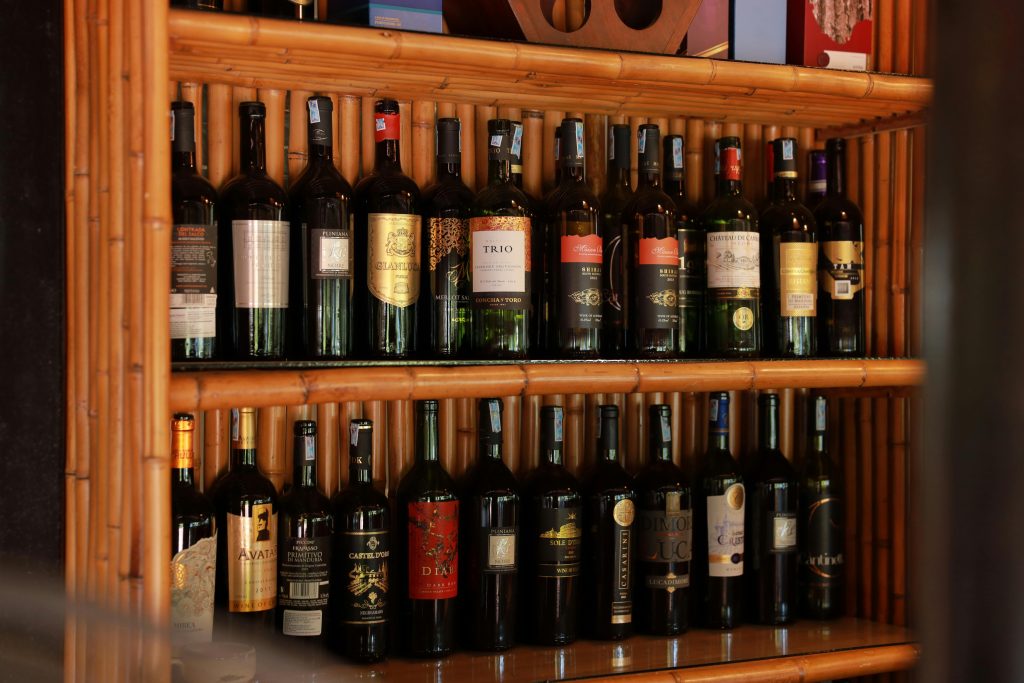
Ever stood in front of a wall of wine bottles and felt a bit lost? You’re not alone! Wine labels can feel like a secret language that only sommeliers and wine buffs understand. But here’s the truth: once you get the hang of the key terms, you’ll know exactly what you’re picking. Ready to crack the code? Let’s dive into what all those wine label terms really mean.
1. The Name Game: Wine Names Decoded
Wine names on labels often confuse people, especially when they involve tricky-to-pronounce French or Italian terms. But many names are actually clues about the wine’s origin, grape variety, or even a specific vineyard. For example:
Varietal Wines: These are wines named after the grape they’re made from. If you see “Chardonnay” or “Merlot” on the label, that tells you the grape used in the wine is mostly from that variety. Simple, right?
Regional Wines: Some wines are named after the region where they’re made. Think of French wines like “Bordeaux” or “Chablis.” The name is a geographical indicator, and there’s usually a strict set of rules about what grapes can be used in those regions.
Proprietary Names: These wines have creative names chosen by the winemaker, like “The Velvet Devil” or “Opus One.” They often mix different grape varieties, so the name doesn’t tell you about the grape but instead reflects the brand’s identity.
2. Vintage or Non-Vintage? What’s the Difference?
You’ll often see a year (like 2018 or 2020) on a wine label. That’s thevintage—the year the grapes were harvested. Wines made in a great growing year usually get more attention because good weather leads to tastier grapes. Non-vintage (NV) wines, however, are made from a blend of different years. Champagne is a prime example, where non-vintage bottles aim for consistency rather than showcasing the quirks of a single year.
3. The Grape Variety: What’s in the Bottle?
Wine labels in countries like the U.S., Australia, and New Zealand often proudly display the grape variety, so you know exactly what you’re getting. Look out for words like:
Sauvignon Blanc: Crisp, refreshing, often with a citrusy zing.
Pinot Noir: Light-bodied with red fruit flavors like cherry and raspberry.
In Old World wine regions like France and Italy, you may not see the grape variety on the label because it’s assumed you know the rules. For instance, a red Burgundy will be Pinot Noir, while a Chianti will be made mostly from Sangiovese.
4. Alcohol by Volume (ABV): How Strong is It?
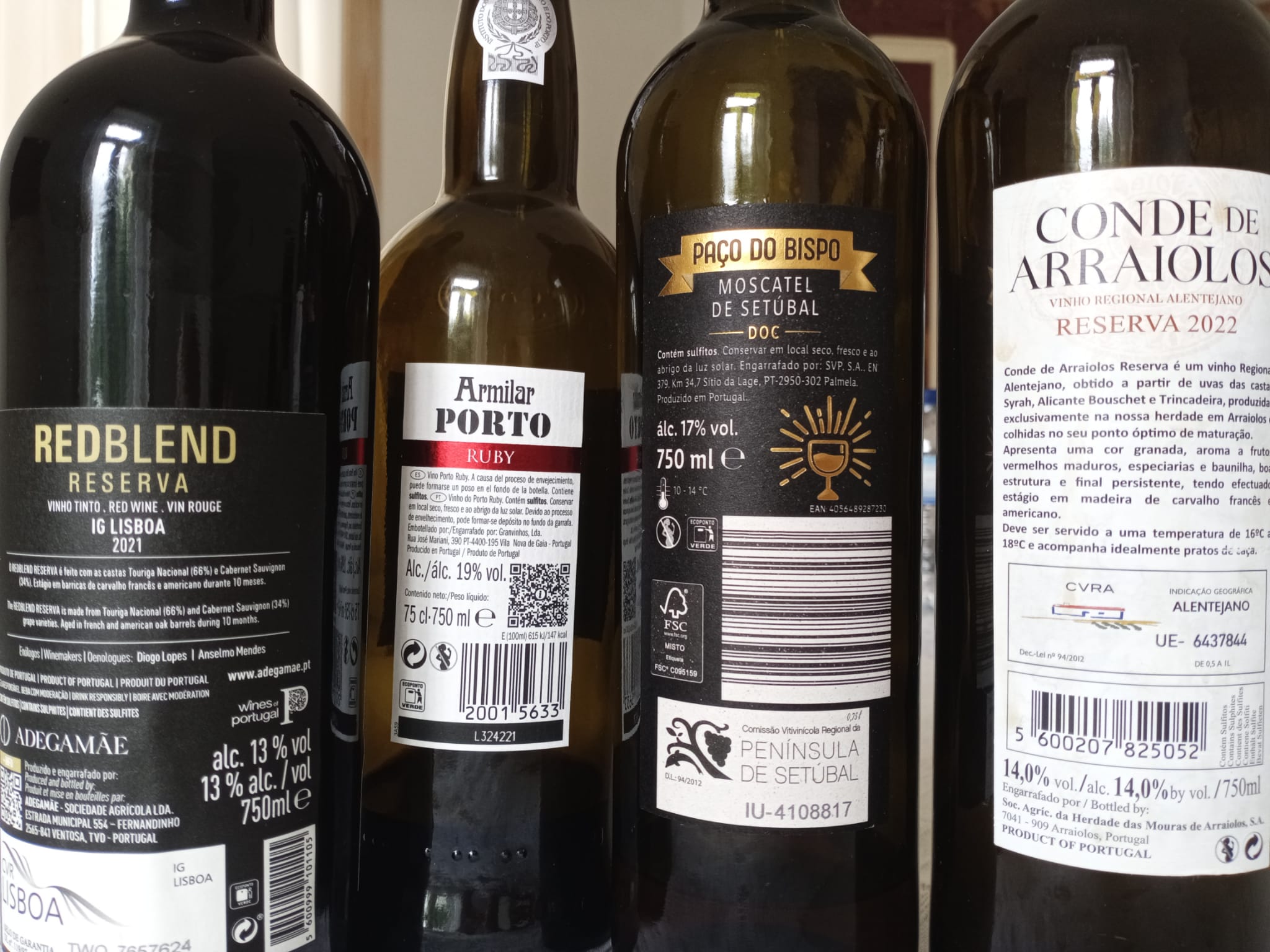
You’ll find the alcohol percentage, or ABV (Alcohol by Volume), on the label. This little number can tell you a lot about what to expect. Higher ABV (like 14-15%) means the wine is fuller-bodied and packs a punch. Lower ABV (around 11-12%) often means a lighter, more refreshing style.
5. Appellation: Fancy Word for Where it’s From
Appellation refers to the specific region where the grapes were grown. It’s like a wine’s birthplace. Some of the most famous appellations include Bordeaux, Napa Valley, and Chianti. These regions have strict regulations about which grapes can be used and how the wine is made. Why should you care? Wines from a recognized appellation are often held to a higher standard, which means better quality in your glass.
6. DOC, AOC, and IGP: Wine Acronyms Explained
Now, we get to the part where it seems like we’re reading alphabet soup. Don’t worry, it’s not that hard once you know the basics:
AOC (Appellation d’Origine Contrôlée): This is the French system for controlling wine quality and origin. If you see AOC on a label, it means the wine meets strict guidelines for production, grape variety, and quality.
DOC (Denominazione di Origine Controllata): Italy’s version of AOC, ensuring that the wine is made according to regional traditions.
IGP (Indication Géographique Protégée): Found in both France and Italy, this term indicates a wider region and more relaxed rules than AOC or DOC. Wines labeled IGP are often creative and modern in style.
7. Sweetness Levels: How Sweet is That Wine?
Ever wondered if you’re picking up a dry wine or something sweeter? Luckily, many wine labels give you a clue. Here’s what to look for:
Dry: Almost no sweetness. Think of a crisp, refreshing Sauvignon Blanc.
Off-Dry: Just a hint of sweetness. A great example would be a Riesling.
Sweet: These wines are rich and sugary, like a Sauternes or a dessert wine.
German wines are a great example of where sweetness levels get clearly labeled. Look for terms like:
Trocken: Dry.
Halbtrocken: Semi-dry.
Süss: Sweet.
8. Reserve, Crianza, and Gran Reserva: Aging Terminology
If a wine is labeled “Reserve” or its European cousins, “Crianza” or “Gran Reserva”, it usually indicates a wine that’s been aged longer before being released. These terms vary by country:
In Spain, Crianza means it’s been aged for at least two years, with at least one year in oak barrels.
Gran Reserva has spent even more time aging (five years total, with two years in oak).
For other countries, “Reserve” often just means the wine is a step up from the regular offering, with better grapes or a longer aging process.
9. Organic, Biodynamic, and Natural: What’s the Difference?
These labels are becoming more popular as people become more conscious of how their food and drinks are made. Here’s a quick breakdown:
Organic: Wine made without synthetic chemicals like pesticides or herbicides.
Biodynamic: Similar to organic, but with extra attention to the lunar calendar and holistic farming practices. It’s like organic, with a spiritual twist.
Natural Wine: Made with minimal intervention. That means little to no added sulfites, and the winemaker lets nature take its course.
10. Sulfites: Friend or Foe?
You might see “Contains Sulfites” on almost every wine label. Sulfites are naturally occurring compounds used to preserve wine, but some people worry about them because they can trigger headaches or allergic reactions. The good news? The amount of sulfites in wine is minimal and rarely causes harm. Plus, wines without sulfites can spoil faster, so they’re kind of the wine’s bodyguard.
11. Estate Bottled: What Does It Really Mean?
Estate Bottled means the wine was grown, produced, and bottled all in the same location. It’s a sign of control over the whole process, from grape to bottle. This is usually a good sign of quality because the winemaker oversees everything.
12. Barrel-Aged: A Tasty Term to Know
If you see “Barrel-Aged” on a wine label, get ready for a richer flavor experience. Wines aged in oak barrels develop complex flavors like vanilla, spice, and toast. These wines tend to be smoother and more luxurious.
13. Unfiltered and Unfined: Should You Care?
Sometimes winemakers choose not to filter or fine their wines, which means you might find a little sediment at the bottom of the bottle. Don’t panic! Unfiltered or unfined wines can have more depth of flavor because the natural particles that get removed during filtering are still in the wine. It’s a matter of taste preference—some wine lovers appreciate the rustic, full-bodied experience, while others prefer a clearer, crisper wine.
14. Pét-Nat, DOCG, and Beyond: The New Vocabulary
As the wine world keeps evolving, more trendy terms pop up. Here are a few you might encounter:
Pét-Nat: Short for “Pétillant Naturel,” a type of sparkling wine made in the most natural way possible. It’s fizzy, fun, and usually a little cloudy.
DOCG: Found on Italian wines, this means Denominazione di Origine Controllata e Garantita. It’s the top tier of Italian wine quality, even stricter than DOC.
Brut, Extra-Brut, Demi-Sec: These are French terms found on sparkling wines like Champagne, indicating how sweet or dry the wine is. Brut is dry, Extra-Brut is even drier, and Demi-Sec has some sweetness.
15. Decoding Wine Labels – Final Takeaway
Wine labels can feel like a foreign language, but now that you know the key terms, you’re ready to shop with confidence. Whether you’re picking a bold Cabernet from Napa, a crisp Chardonnay from Chablis, or a funky Pét-Nat from a trendy vineyard, understanding these terms makes you a wine label decoding pro.
So the next time you stand in front of that wine aisle, grab a bottle with pride—you’ve got this!
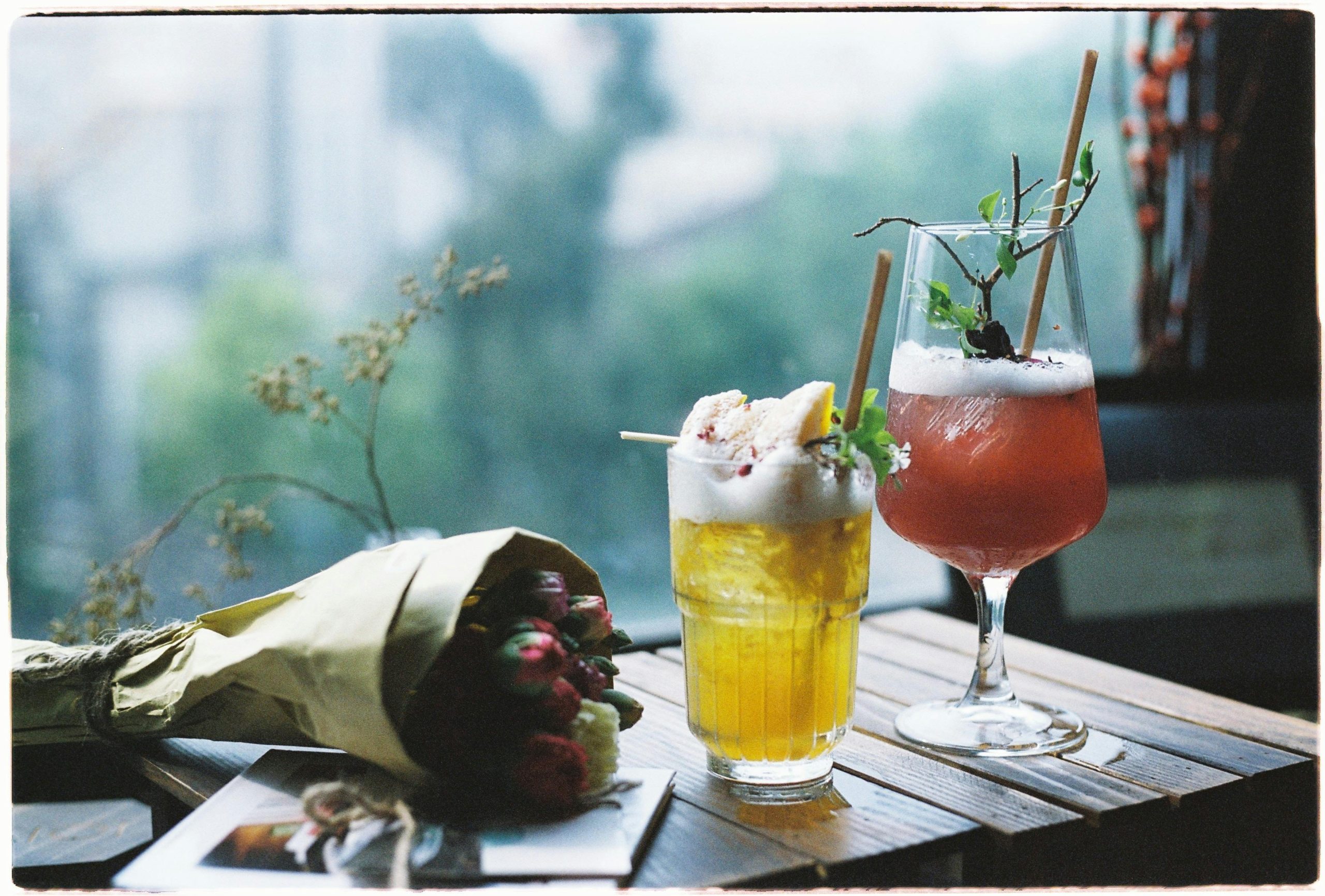
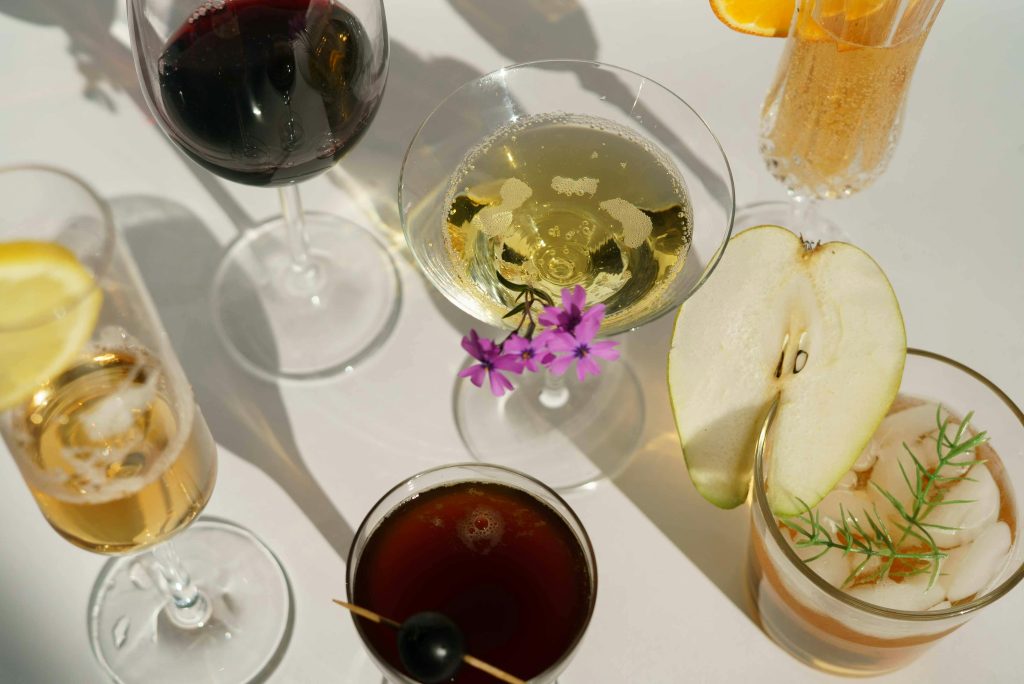
When you think of wine, you may picture a cozy night in, swirling a glass of red by the fire or sipping something crisp under the sun. But have you ever thought about shaking things up? Wine can be the perfect base for cocktails, and with a bit of creativity, you can enjoy it in a whole new way. Let’s explore some fun and refreshing wine cocktails, perfect for every season, so you can sip on something delightful all year round.
Spring Fizz: Welcome Back the Warmth
Spring is a season of renewal, and what better way to celebrate the bloom of flowers than with a light and refreshing cocktail? After months of heavy winter drinks, you want something that tastes like a breath of fresh air. Enter the Spring Fizz, a bubbly wine cocktail that’s sure to brighten your mood.
What You’ll Need:
4 oz Prosecco
1 oz elderflower liqueur
Fresh mint
A squeeze of lemon juice
Ice
How to Make It: Fill a glass with ice. Add the elderflower liqueur, mint leaves, and a squeeze of lemon juice. Top it off with Prosecco and give it a gentle stir. Garnish with a sprig of mint and a lemon slice for that fresh, vibrant look.
This cocktail is all about delicate floral notes with a hint of sweetness. The Prosecco gives it a lively sparkle, making it the ideal drink to sip while watching the flowers bloom.
Summer Rosé Spritzer: Sunshine in a Glass
When the heat kicks in, you need something cool and crisp. Summer screams for refreshing drinks, and what better way to embrace the sunshine than with a Rosé Spritzer? Rosé is already a summer favorite, but adding a few twists makes it even better.
What You’ll Need:
5 oz rosé wine
2 oz soda water
Fresh strawberries, sliced
A splash of grapefruit juice
Ice
How to Make It: Fill a tall glass with ice, then pour in the rosé. Add a splash of grapefruit juice and top it with soda water. Toss in a few fresh strawberry slices for a fruity kick. Stir gently and enjoy a sip of summer!
Rosé spritzers are perfect for backyard barbecues, beach days, or just chilling by the pool. They’re light, fruity, and oh-so-refreshing. You could even add different fruits like raspberries or peaches to mix things up.
Autumn Spice Sangria: Fall in a Glass
When the leaves start to turn golden and there’s a chill in the air, it’s time to cozy up with flavors that feel like fall. Cinnamon, apple, and pear are the perfect autumn fruits, and they blend beautifully into a warming Autumn Spice Sangria. This sangria brings together the essence of the season, without being too heavy.
What You’ll Need:
1 bottle of red wine (a medium-bodied wine works best)
1 apple, sliced
1 pear, sliced
1 orange, sliced
2 oz brandy
1 oz cinnamon syrup
A pinch of nutmeg
Sparkling water (optional)
How to Make It: In a large pitcher, combine the wine, brandy, and cinnamon syrup. Add the sliced fruits and a pinch of nutmeg. Let it sit in the fridge for at least an hour to allow the flavors to meld together. When you’re ready to serve, you can top each glass with a little sparkling water for some fizz, or enjoy it as is.
Autumn sangria is like a cozy sweater in a glass. It’s rich, fruity, and has just the right amount of spice. Perfect for sipping by the fire or while watching the leaves fall.
Winter Mulled Wine Punch: Warmth in Every Sip
When the temperature drops, your drinks need to bring the heat. Winter is the season for cozying up with something warm and comforting, and nothing says winter like Mulled Wine Punch. This hot wine cocktail will warm you from the inside out, perfect for those cold nights when you need to defrost after a day in the snow.
What You’ll Need:
1 bottle of red wine
1 cup apple cider
1 orange, sliced
3 cinnamon sticks
4 cloves
2 oz honey
A splash of brandy (optional)
How to Make It: In a large pot, combine the red wine, apple cider, orange slices, cinnamon sticks, and cloves. Heat gently over low heat, being careful not to let it boil. Once it’s warm, stir in the honey and let it simmer for about 20 minutes. If you want to give it an extra kick, add a splash of brandy. Serve it warm, and don’t forget to garnish with an orange slice and cinnamon stick.
Mulled wine is perfect for holiday gatherings or quiet winter nights. The mix of warm spices and fruity wine is like a hug in a mug. Plus, it makes your house smell amazing!
Springtime Rosé Mimosa: Brunch is Served
If brunch is your favorite meal (and who doesn’t love brunch?), then a Rosé Mimosa is the cocktail for springtime mornings. Traditional mimosas are great, but swapping out the champagne for rosé brings a fun, fruity twist.
What You’ll Need:
4 oz rosé sparkling wine
2 oz freshly squeezed orange juice
A dash of pomegranate juice
Fresh berries (optional)
How to Make It: Fill a champagne flute with the rosé. Add the freshly squeezed orange juice and a dash of pomegranate juice. Garnish with a few fresh berries for extra flavor and a pop of color.
This cocktail is perfect for springtime brunches with friends. It’s light, fruity, and adds a little elegance to your breakfast table.
Summer Sparkling White Sangria: Cool Down with Citrus
When summer rolls around, a cool drink is essential. The Sparkling White Sangria is a fun twist on the traditional red version. It’s lighter, crisper, and bursting with citrus flavor—just what you need for those sweltering days.
What You’ll Need:
1 bottle of white wine (something dry like Sauvignon Blanc works best)
1 orange, sliced
1 lemon, sliced
1 lime, sliced
1 peach, sliced
1/4 cup triple sec
1/4 cup soda water
Ice
How to Make It: In a large pitcher, mix the white wine and triple sec. Add all the sliced fruits and let it sit in the fridge for at least an hour. When you’re ready to serve, fill glasses with ice, pour in the sangria, and top each glass with a little soda water for a refreshing fizz.
This sangria is all about bright, citrusy flavors. It’s like sunshine in a glass, perfect for summer picnics, outdoor parties, or lazy afternoons by the pool.
Fall Apple Cider Wine Cocktail: Crisp and Sweet
Autumn brings apples galore, and there’s no better way to enjoy the season’s bounty than with an Apple Cider Wine Cocktail. This cocktail combines the sweetness of apples with the depth of wine, making it the perfect drink for fall.
What You’ll Need:
5 oz white wine (a dry variety like Chardonnay works best)
2 oz apple cider
1 oz bourbon
A pinch of cinnamon
Apple slices for garnish
Ice
How to Make It: Fill a glass with ice, then pour in the white wine, apple cider, and bourbon. Stir gently and sprinkle a pinch of cinnamon on top. Garnish with a few apple slices for that extra touch of fall flavor.
This cocktail is sweet, crisp, and perfect for enjoying as the weather cools down. The bourbon adds a nice warmth, while the apple cider brings a touch of sweetness that complements the wine beautifully.
Conclusion: A Cocktail For Every Season!
Wine cocktails offer a delicious way to enjoy your favorite wine in new and exciting ways. Whether you’re lounging by the pool in summer or snuggling by the fire in winter, there’s a wine cocktail that’s perfect for you.
As a child, I remember going with my mum to the local shop. For me, it wasn’t just about the groceries—it was an adventure. On one day especially, when we entered the wine section. My curiosity was piqued by a group of bottles lying on their sides, surrounded by a few small puddles of liquid.
“Mum, why are those bottles leaking?” I asked, pointing to the dripping bottles.
Her answer introduced me to the world of Federweisser, a word that sounded almost magical. She explained that these bottles shouldn’t be laid flat like regular wines. The wine inside was still fermenting, still alive, and that made all the difference. I learned then that Federweisser bottles have a special cap, one that allows gases to escape as the fermentation process continues. It couldn’t be sealed like a normal bottle, and laying them down only made them leak.
This was my first brush with the fascinating world of wine, and I didn’t even know it yet. Federweisser, my mum explained, is young, barely finished wine that’s only available during certain seasons. She told me how it pairs perfectly with Zwiebelkuchen, a savory onion tart, and how Germans would enjoy this early wine in autumn.
Looking back, it wasn’t just the taste of wine that fascinated me. It was the idea of something still changing, still in motion, that made Federweisser seem special. Every bottle was unique in that moment, brimming with energy and transformation. And that little lesson from my mum about why these bottles had to stand upright has stuck with me ever since.
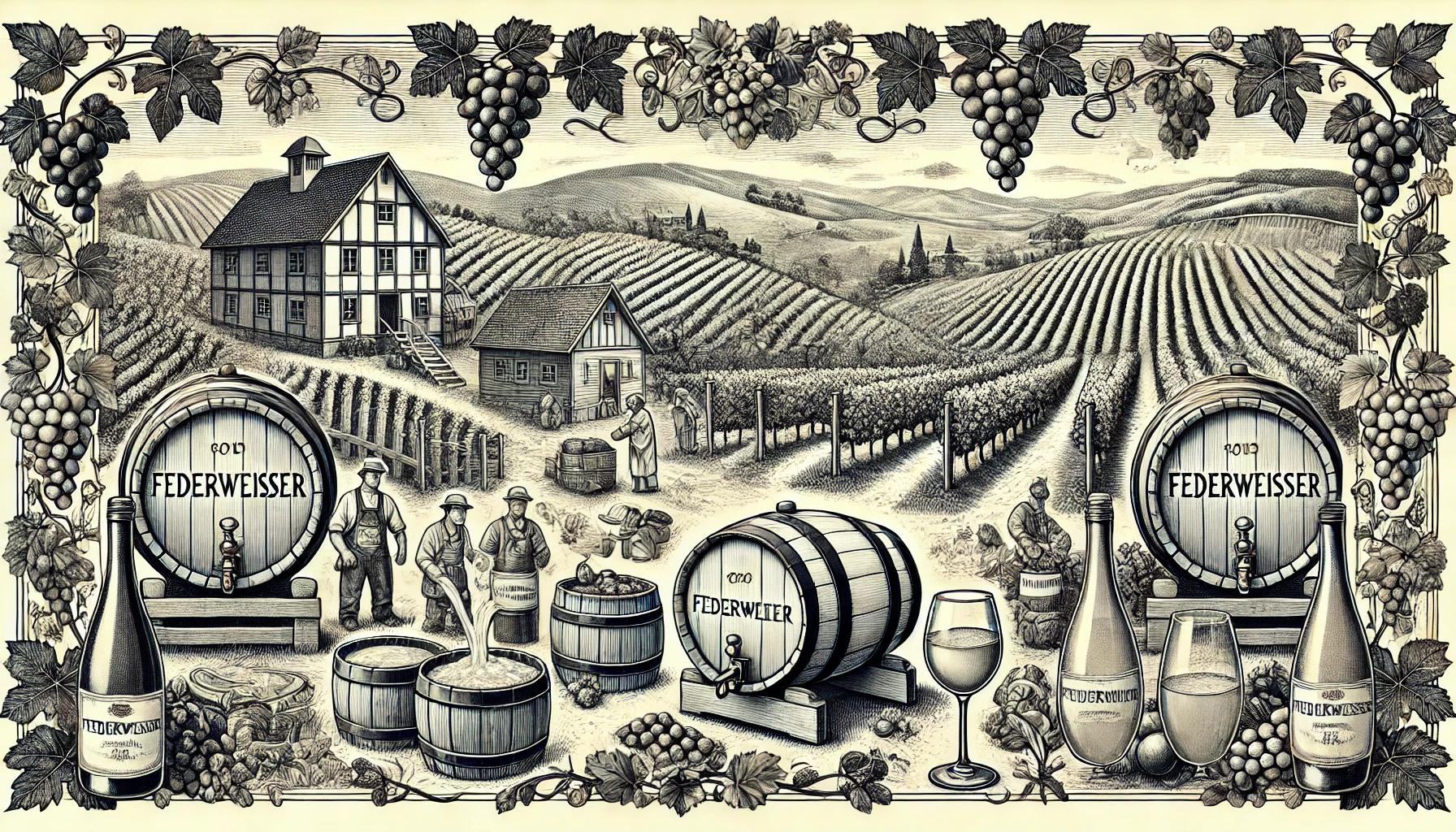
Federweisser is a young, partially fermented wine primarily made from white grapes like Riesling or Müller-Thurgau. This unique beverage is popular in Germany and is available only for a short time during the autumn months. Federweisser literally means “feather white,” referring to the cloudy appearance of the wine due to the suspended yeast particles still present during fermentation.
The production of Federweisser begins just after the grape harvest. The grapes are pressed, and the juice undergoes fermentation, but the process is stopped early. This is allowing for just a few days of fermentation before it’s bottled and sold. This early fermentation stage gives Federweisser its characteristic low alcohol content, usually ranging from 4 to 10%, depending on when it’s consumed.
One of the main attractions of Federweisser is its light, sweet taste. Since the wine is still fermenting, it retains a natural sweetness from the unfermented sugars, combined with a slight effervescence, which adds a refreshing quality. Federweisser must be handled with care due to ongoing fermentation, meaning it cannot be sealed tightly to avoid pressure buildup. This is why it’s sold with vented caps or loosely closed bottles.
Federweisser is traditionally enjoyed with hearty German dishes like Zwiebelkuchen (onion tart) or Flammkuchen (a type of thin crust pizza). Its refreshing acidity pairs well with savory foods, making it a favorite during the autumn harvest festivals.
The wine is best consumed fresh within a few days of purchase since it continues to ferment and its flavor changes rapidly. It’s a perfect representation of the seasonal and fleeting nature of wine in its earliest stages.
Curious about more wine terms and insights? Visit our Wine Wiki section and explore the basic wine terms for expert definitions and tips!