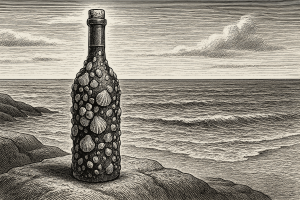
Merroir is a blend of the French words mer (sea) and terroir. It describes how characteristics of a marine environment—such as salinity, temperature, currents, and local biota—shape the sensory profile of foods and beverages produced in or influenced by the sea. The term originated in shellfish discussions (especially oysters) and is increasingly referenced in wine […]
Residual Sugar (RS) refers to the natural grape sugars—primarily glucose and fructose—that remain in wine after fermentation concludes. During fermentation, yeast converts these sugars into alcohol and carbon dioxide. However, fermentation can be halted intentionally or may cease naturally, leaving behind varying amounts of residual sugar. RS is typically measured in grams per liter (g/L) […]
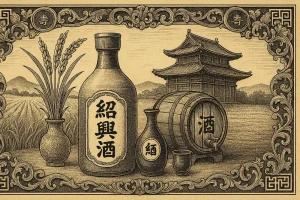
Shaoxing wine (绍兴酒, shàoxīngjiǔ) is a traditional Chinese rice wine originating from Shaoxing, a city in Zhejiang province, eastern China. As a prominent variety of huangjiu (“yellow wine“), it is produced through the fermentation of glutinous rice, water, and wheat-based yeast. Renowned for its amber hue and complex flavor profile,it serves both as a beverage […]
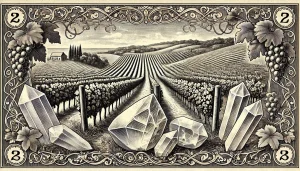
Quartz wine refers to wines produced from vineyards with soils rich in quartz, a crystalline mineral composed of silicon and oxygen (SiO₂). While not a formal wine classification, the term is commonly used in wine marketing and educational contexts to highlight the influence of quartz-heavy terroirs on wine character. Quartz-rich soils are prized in several […]
What is Sake? It is a traditional Japanese rice wine that has been brewed for centuries. Despite often being called “rice wine,” sake is actually closer to beer in its brewing process, as it is made by fermenting rice rather than fruit. With a history deeply embedded in Japanese culture, it is not only enjoyed […]
What is Geosmin? Geosmin is a naturally occurring organic compound. It responsible for the distinct earthy, musty aroma often associated with wet soil after rainfall. This compound is a bicyclic alcohol with the chemical formula C12H22O and belongs to the class of terpenoids. It is primarily produced by microorganisms such as Streptomyces (a genus of […]
Infusion is a winemaking technique that enhances the flavor and aroma of wine by steeping various ingredients in the liquid. This process allows winemakers to introduce additional layers of complexity and uniqueness to their wines. Infusion can involve herbs, spices, fruits, or other botanicals, each contributing distinct characteristics to the final product. In the realm […]
Irrigation is a critical agricultural practice in viticulture, essential for the growth and health of grapevines. It involves supplying water to vineyards to ensure that vines receive the necessary hydration, especially in regions with limited natural rainfall. Proper irrigation management directly influences grape quality, vine health, and ultimately, the characteristics of the wine produced. In […]
What means Imperial in the context of wine? Imperial is a term we use in the wine world to denote exceptional quality and prestige. It varies depending on the region and classification system, but the common thread is excellence and superior characteristics. In Germany, Imperial often relates to Riesling wines. Imperial Riesling signifies an extraordinary […]
Indigenous yeasts play a crucial role in winemaking. These yeasts naturally reside on grape skins and within the winery environment. Unlike commercial yeast strains, indigenous yeasts are unique to each vineyard. They contribute distinct flavors and aromas to the wine, reflecting the specific terroir of the region. During fermentation, they initiate the conversion of sugars […]