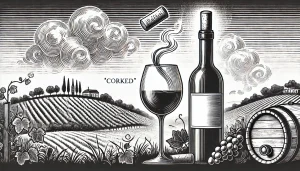
When a wine is described as corked, it refers to a wine fault caused by a tainted cork. The primary culprit behind cork taint is a compound called TCA (trichloroanisole), which is typically formed when natural corks come into contact with mold and certain chemicals used in cork production. The result is a musty, damp […]
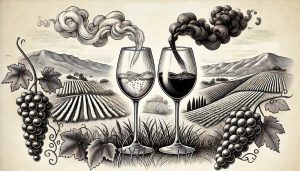
Aroma vs. bouquet – In wine terminology, aroma and bouquet both refer to the smell of wine but have slightly different meanings, particularly in how they are used to describe younger versus aged wines. Understanding aroma vs. bouquet helps wine drinkers assess a wine’s age and complexity. In a young wine, you might focus on […]
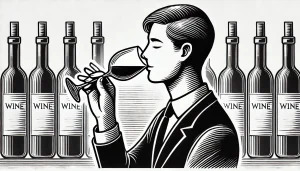
In wine terminology, body refers to the weight and fullness of the wine in your mouth, often described as light-bodied, medium-bodied, or full-bodied. It’s a critical characteristic in assessing the overall drinking experience, as body directly relates to the wine’s texture and how it feels on your palate. A light-bodied wine, like a Pinot Grigio […]
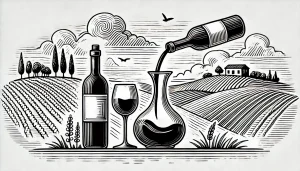
Decanting is the process of carefully pouring wine from its bottle into another vessel, usually a decanter, to serve two main purposes: separating the wine from any sediment and allowing the wine to aerate. Sediment, which can form in older red wines and some vintage ports, is a natural byproduct of the aging process and […]
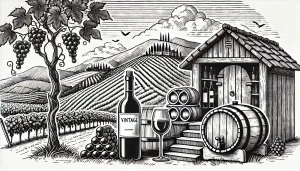
In the world of wine, the term vintage refers to the year in which the grapes were harvested. It’s a key factor in understanding the character and quality of a wine, as the environmental conditions of each year can significantly affect the flavor profile of the wine. A vintage wine is one that is made […]
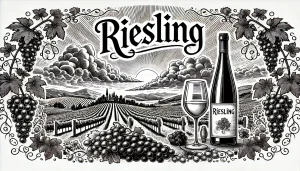
Riesling is a highly aromatic and versatile white grape variety that originates from Germany’s Rhine region. Known for its distinctive floral and fruity aromas, Riesling can be crafted into a wide range of styles, from bone-dry to decadently sweet. Its hallmark characteristics include high acidity and an expressive aroma profile, often with notes of green […]
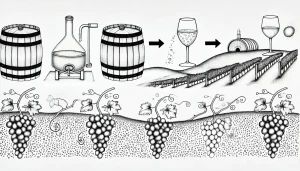
Malolactic fermentation (often abbreviated as MLF) is a secondary fermentation process in winemaking that converts sharp, tart malic acid into softer, creamier lactic acid. This transformation takes place after the primary alcoholic fermentation, during which yeast converts sugars into alcohol. MLF is carried out by specific bacteria, typically from the species Oenococcus oeni. The purpose […]
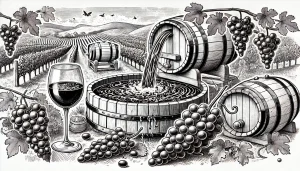
Maceration is a crucial step in winemaking, especially for red and rosé wines, as it involves soaking the grape skins in the juice to extract color, tannins, and flavor compounds. This process begins right after the grapes are crushed and continues for varying lengths of time depending on the style of wine being made. The […]
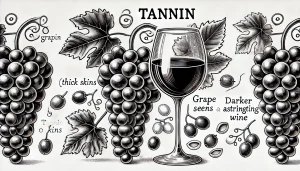
Tannin is one of the most talked-about components of wine. Particularly red wine, as it plays a vital role in the structure, texture, and aging potential of the wine. Tannins are natural compounds found in grape skins, seeds, and stems, as well as in the oak barrels used for aging wine. They belong to a […]
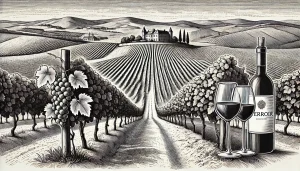
Terroir is a French term that refers to the unique set of environmental factors that influence the characteristics of a wine. It’s often considered the “soul” of a wine, as it reflects the climate, soil, geography, and even the human hand involved in the growing of grapes and winemaking. At the core of terroir is […]