What Is a Cork in Wine?
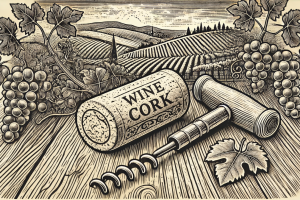
A cork is the traditional stopper used to seal a wine bottle, most commonly made from the bark of the cork oak tree (Quercus suber). Its job is simple but incredibly important: it keeps the wine protected while allowing just enough air to interact with it over time.
That tiny exchange of oxygen is what helps certain wines evolve, soften, and develop more complex flavors as they age. Without it, many classic wines would never reach their full potential.
Where Does Wine Cork Come From?
Cork comes from the cork oak tree (Quercus suber), a species that grows mainly in Portugal, Spain, and parts of North Africa. If you live in Portugal, you’re actually right at the heart of the cork world—Portugal produces more than half of the global supply.
What makes cork special is how it’s harvested:
- The tree is never cut down
- Only the outer bark is removed
- Harvesting happens roughly every 9 to 12 years
- A single tree can live for over 200 years
This makes cork one of the most sustainable materials used in the wine industry.

Why Cork Is Used for Wine Bottles
At first glance, cork might seem like an old-fashioned choice. But there’s a reason it has survived for centuries.
1. It Creates a Perfect Seal
Cork compresses when inserted into the bottle and then expands, forming a tight, leak-proof closure.
2. It Protects the Wine
It keeps too much oxygen out, which would otherwise spoil the wine.
3. It Allows Controlled Aging
Here’s the magic: cork lets in a tiny amount of oxygen over time, which helps wine mature gradually.
This is why cork is still the preferred closure for wines that are meant to age—especially reds and high-quality whites.
Types of Wine Corks
Not all corks are the same. In fact, the type of cork used often tells you something about the wine itself.
One of the potential issues with natural cork is “cork taint,” which occurs when the cork becomes contaminated with a compound called TCA (trichloroanisole). It can ruin the flavor and aroma of wine, giving it a musty, moldy taste. However, many winemakers still choose cork because of its traditional appeal, its role in allowing wines to breathe over time, and its sustainability, as its harvesting does not harm the tree.
Natural Cork
- Made from a single piece of cork bark
- Considered the highest quality
- Ideal for long-term aging
Colmated Cork
- Natural cork with small pores filled in
- More affordable than full natural cork
- Suitable for mid-range wines
Agglomerated Cork
- Made from compressed cork granules
- Common in budget wines
- Best for wines meant to be consumed young
Technical Cork
- Engineered cork designed to reduce faults
- A modern compromise between tradition and consistency
Sparkling Wine Cork
- Mushroom-shaped
- Held in place with a wire cage
- Designed to withstand pressure inside the bottle
A Short History of Cork in Wine
Cork has been around for thousands of years, but its role in wine really took off much later.
- Ancient Greeks and Romans used cork to seal containers
- During the Middle Ages, other materials were more common
- In the 17th century, cork became standard with the rise of glass wine bottles
- By the 18th century, cork and corkscrews made proper wine aging possible
This shift completely changed how wine was stored, transported, and enjoyed.
Cork vs Screw Cap: Which Is Better?
This is one of the most debated topics in wine, and the answer isn’t as simple as one being “better.”
| Feature | Cork | Screw Cap |
|---|---|---|
| Aging potential | Excellent | Limited |
| Oxygen exchange | Yes (controlled) | Almost none |
| Risk of faults | Low, but possible | Very low |
| Tradition | Strong | Modern |
| Convenience | Lower | High |
In practical terms:
- Cork is ideal for wines you want to age
- Screw caps are great for fresh, everyday wines
Many winemakers today choose based on style rather than tradition alone.
What Is Corked Wine?
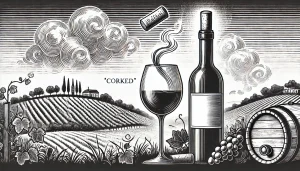
You may have heard someone say a wine is “corked.” This doesn’t mean there’s something wrong with the cork itself—it refers to a fault caused by a compound called TCA (trichloroanisole).
Signs of corked wine:
- Smell of damp cardboard or a musty cellar
- Dull or muted fruit aromas
- Flat, lifeless taste
The good news? Modern production methods have reduced cork taint significantly, so it’s much less common than it used to be.
Sustainability: A Natural Advantage
Cork is often considered the most environmentally friendly wine closure.
- Cork oak forests support rich ecosystems
- Harvesting does not harm the tree
- The process is renewable and low-waste
These forests also play an important role in capturing carbon dioxide, making cork a strong choice for environmentally conscious wine lovers.
Why Cork Still Matters Today
With all the modern alternatives available, you might wonder why cork is still used at all.
The answer is a mix of science, tradition, and experience.
Cork:
- Helps wines age gracefully
- Signals quality and craftsmanship
- Is renewable and sustainable
- Adds to the ritual of opening a bottle
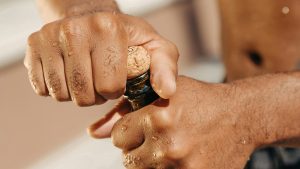
That small “pop” when opening a bottle is more than just a sound—it’s part of the entire wine experience.
Quick Summary
- A cork is a natural wine stopper made from cork oak bark
- It allows slow oxygen exchange, helping wine age
- There are different types, from natural to engineered
- Cork has been used in wine for centuries
- It remains the preferred choice for many premium wines
FAQ About Wine Corks
Does cork improve wine?
Cork itself doesn’t add flavor, but it allows the wine to develop over time through controlled oxygen exposure.
How long does a cork last?
High-quality corks can last decades if stored properly.
Are synthetic corks better?
They are more consistent, but they don’t offer the same aging potential as natural cork.
Why do some wines not use cork?
Many wines are meant to be consumed young, where consistency and convenience matter more than aging.
Curious about more wine terms and insights? Visit our Wine Wiki section and explore the basic wine terms for expert definitions and tips!