Posted on Leave a comment

Does White Wine Remove Red Wine Stains? Myth vs. Fact

White Wine Remove Red Wine Stains

Red wine spills can feel like a nightmare, especially on light-colored fabrics or carpets. If you’ve ever scrambled for a quick fix, you’ve probably heard the advice: “Just pour some white wine on it!” But does white wine really remove red wine stains, or is this just another wine myth?

In this article, we’ll break down the science behind this claim, explore expert-recommended stain removal techniques, and offer a step-by-step guide to rescuing your fabrics from a red wine disaster.


Does White Wine Really Remove Red Wine Stains?

The idea that white wine removes red wine stains has been around for years. The logic is that white wine dilutes the red wine and helps lift the stain before it sets. But does this actually work?

The Science Behind the Claim

  • White wine contains alcohol, which can help dissolve some of the compounds in red wine.
  • It also has acidity, which might assist in breaking down stains.
  • However, white wine does not contain strong stain-fighting agents like surfactants or enzymes found in proper cleaning solutions.

What the Experts Say

Cleaning professionals agree that white wine is not the best solution for red wine stains. While it may help dilute the spill temporarily, it can also spread the stain and make it harder to remove later.

A better strategy? Use proven cleaning methods that actively lift the stain without potentially making it worse.


What Actually Works? The Best Ways to Remove Red Wine Stains

If you spill red wine, act fast! The quicker you address the stain, the better your chances of complete removal.

Effective Red Wine Stain Removal Methods

  1. Blot, Don’t Rub – Grab a clean cloth or paper towel and gently blot the stain. Never rub, as this will push the wine deeper into the fabric.
  2. Salt Absorption – Sprinkle a generous amount of table salt over the stain. The salt absorbs the liquid, pulling the wine out of the fabric. Let it sit for 10–15 minutes before rinsing.
  3. Club Soda – The carbonation in club soda helps lift the stain. Pour it directly onto the affected area, then blot with a cloth.
  4. White Vinegar & Detergent – Mix equal parts white vinegar and dish soap, apply it to the stain, and let it sit for 5 minutes before blotting and rinsing.
  5. Baking Soda Paste – Combine 3 parts baking soda with 1 part water, apply the paste, let it dry, then vacuum or wash.
  6. Hydrogen Peroxide & Dish Soap – This works well on light-colored fabrics. Mix 1 part dish soap with 2 parts hydrogen peroxide, apply to the stain, wait 10 minutes, then rinse.
  7. Commercial Wine Stain Removers – Products like Wine Away or OxiClean can be extremely effective if used promptly.

Step-by-Step Guide: Removing Red Wine Stains Like a Pro

No matter which method you choose, follow these key steps to maximize your chances of stain removal:

  1. Act Immediately – The longer the wine sits, the harder it is to remove.
  2. Blot First – Use a clean cloth to absorb as much wine as possible.
  3. Apply a Cleaning Solution – Choose one from the list above and apply it directly to the stain.
  4. Let It Sit – Give the solution time to break down the stain (usually 5–15 minutes).
  5. Blot Again – Dab the stain with a clean, dry cloth.
  6. Rinse or Wash – Rinse with cold water or wash as usual (for fabrics).
  7. Air Dry First – Avoid heat until you’re sure the stain is gone—heat can set it permanently.

Why White Wine Isn’t the Best Solution

Using white wine to remove red wine stains may seem logical, but it’s not the most effective solution. Here’s why:

MethodEffectivenessBest Used On
White Wine❌ Not very effectiveNo fabric (may dilute but not remove stains)
Salt✅ Absorbs wineFresh stains on fabric, tablecloths, carpets
Club Soda✅ Good for lifting stainsClothing, carpets, upholstery
Vinegar & Soap✅✅ Very effectiveFabric, tablecloths, linens
Baking Soda✅ Great for absorptionFabric, carpets
Hydrogen Peroxide✅✅ Powerful stain removerWhite/light-colored fabrics only

As you can see, better options exist than white wine!


Final Thoughts: The Best Way to Handle Red Wine Spills

While it’s tempting to grab a bottle of white wine in a panic, science and experts agree that it’s not the most effective solution. Instead, use tried-and-true methods like salt, club soda, vinegar, and hydrogen peroxide to save your fabric from a permanent stain.

If you’re at a dinner party or tasting event and a spill happens, knowing how to react gracefully is key. Don’t forget to read Essential Wine Etiquette: What to Do When Spills Happen for handling the situation like a pro.

Now, next time you enjoy a glass of red, you can relax knowing you’re prepared—just in case!

Posted on Leave a comment

Is Pinot Noir Red or White? Understanding This Popular Grape Variety

Pinot Noir Red or White

If you’ve ever glanced at a wine menu and wondered, “Is Pinot Noir red or white?”—you’re not alone. It’s one of the most famous grape varieties in the world, yet its identity can be a little confusing. While Pinot Noir is traditionally known as a red wine, things get interesting when you look deeper.

So, let’s uncork the mystery of Pinot Noir, explore its characteristics, and discover why it’s such a beloved grape among wine lovers.


Pinot Noir: A Red Grape at Heart

At its core, Pinot Noir is a red grape variety. The thin-skinned grapes produce wines that range from light ruby to deeper garnet in color. Unlike bold reds like Cabernet Sauvignon, Pinot Noir tends to have low tannins, bright acidity, and a smooth, silky texture.

Pinot Noir is prized for its elegant and complex flavors, often featuring notes of:

  • Red berries (strawberry, raspberry, cherry)
  • Earthy undertones (mushroom, forest floor)
  • Floral hints (rose, violet)
  • Subtle spice (clove, cinnamon)

Unlike many red wines, Pinot Noir isn’t heavy or overpowering, making it a great choice for those who prefer a lighter style of red.


Why Does Pinot Noir Look Lighter Than Other Reds?

If you’ve ever noticed that a glass of Pinot Noir looks paler than a typical red wine, it’s because of its thin grape skins. The color of red wine comes from the grape skins during fermentation, and since Pinot Noir’s skins are delicate, they release less pigment than thicker-skinned grapes like Malbec or Syrah.

The result? A lighter red wine that’s more translucent in the glass but still packed with flavor.


Can Pinot Noir Be White?

Here’s where things get interesting. While Pinot Noir is naturally a red grape, winemakers can use it to make white or rosé wines. This happens when they press the grapes quickly and separate the juice from the skins before fermentation begins.

Types of White or Light Pinot Noir Wines:

  1. White Pinot Noir – A rare but fascinating style where the grape juice is fermented without skin contact. The result is a golden or pale-colored white wine with rich texture and subtle red fruit flavors.
  2. Blanc de Noirs Champagne – A type of Champagne made exclusively from black grapes (usually Pinot Noir or Pinot Meunier) but vinified as a white sparkling wine.
  3. Rosé of Pinot Noir – Made by allowing limited skin contact, which gives it a delicate pink hue and fruity flavors.

The Pinot Family: Mutations & Color Variations

Did you know Pinot Noir has relatives? The Pinot grape family has undergone natural mutations over centuries, leading to different color variations:

GrapeColor & StyleNotable Regions
Pinot NoirRed wine, light-bodiedBurgundy (France), Oregon, California
Pinot Gris (Pinot Grigio)White wine (sometimes slightly pinkish)Italy, France, Oregon
Pinot BlancWhite wine, crisp & freshAlsace (France), Germany, Austria

Though Pinot Noir is red, these genetic mutations prove that wine grapes can evolve into surprising variations.


Where Is Pinot Noir Grown?

Pinot Noir thrives in cooler climates, where it develops its signature balance of fruit and acidity. Some of the best Pinot Noir regions include:

  • Burgundy, France – The birthplace of Pinot Noir, producing earthy, refined wines with incredible aging potential.
  • Oregon, USA – Especially in the Willamette Valley, known for its elegant, fruit-forward Pinot Noir.
  • California, USA – Areas like Sonoma and Santa Barbara create riper, more fruit-driven styles.
  • New Zealand – Central Otago produces vibrant, juicy Pinot Noir with great acidity.
  • Germany (Spätburgunder) – A hidden gem for Pinot Noir lovers, often with lighter body and bright cherry notes.

Each region puts its own spin on Pinot Noir, making it a versatile grape for exploration.


Conclusion: The Versatile World of Pinot Noir

So, is Pinot Noir red or white? The answer is mostly red—but it can be made into white and rosé styles too. Its ability to express different characteristics based on region, winemaking style, and even genetic mutations makes it one of the most fascinating grape varieties.

Next time you’re at a wine shop or restaurant, you’ll know exactly what to expect from Pinot Noir—whether it’s a classic red, a delicate Blanc de Noirs Champagne, or a refreshing rosé.


Sources:

Wine Enthusiast
The Oxford Companion to Wine

Posted on Leave a comment

How Long Does White Wine Last Unopened? Shelf Life & Storage Tips

how long does white wine last unopened

White wine is a staple for casual sippers and connoisseurs alike. But what if you have a bottle sitting in your wine rack for months, or even years? Does white wine go bad if unopened? The answer depends on various factors, including the type of wine, storage conditions, and the quality of the seal.

In this guide, we’ll break down how long different white wines last unopened, how to store them properly, and how to tell if an old bottle is still good.


How Long Does Unopened White Wine Last?

Not all white wines age the same way. Some are designed to be enjoyed fresh, while others improve with time. Here’s a general guideline:

Type of White WineExpected Shelf Life (Unopened)
Light, Crisp Whites (e.g., Sauvignon Blanc, Pinot Grigio)1-2 years
Full-Bodied Whites (e.g., Oaked Chardonnay, Viognier)3-5 years
Sparkling Whites (e.g., Champagne, Prosecco)3-4 years
Sweet/Dessert Wines (e.g., Sauternes, Ice Wine)10+ years

The shelf life varies based on how the wine is made. Light, crisp whites tend to lose their freshness quicker than full-bodied or sweet wines, which can develop more complexity with time.


Factors That Affect White Wine’s Shelf Life

Even if a wine is within its typical shelf life, external factors can impact its longevity.

1. Storage Conditions

  • Temperature: Keep white wine between 45-55°F (7-13°C). Fluctuations can speed up aging and spoil the wine.
  • Light Exposure: UV light degrades wine, so store it in a dark place.
  • Humidity: Around 50-70% humidity prevents corks from drying out.
  • Bottle Position: Store corked bottles on their side to keep the cork moist and prevent oxidation.

2. The Wine’s Seal

  • Cork: Natural corks allow tiny amounts of air inside, which can help or harm aging, depending on the wine.
  • Screw Caps & Synthetic Corks: These provide a better seal, reducing oxidation and extending freshness.

3. Wine Type & Winemaking Techniques

  • Oaked wines (like Chardonnay) often last longer because of their tannins and structure.
  • Sweet wines contain more sugar, which acts as a preservative.
  • Sparkling wines can lose carbonation over time if not stored properly.

How to Store Unopened White Wine for Maximum Freshness

Proper storage can help you get the most out of your bottle. Follow these simple steps:

Short-Term Storage (Up to a Year)

  • Keep the wine in a cool, dark place.
  • Avoid storing it in the kitchen or near windows where temperature fluctuates.
  • Lay corked bottles on their side.

Long-Term Storage (Over a Year)

  • Invest in a wine fridge if you plan to store multiple bottles.
  • Ensure a consistent temperature between 45-55°F (7-13°C).
  • Maintain a humidity level of 50-70%.
  • Keep bottles away from strong odors that could seep in through the cork.

How to Tell If Unopened White Wine Has Gone Bad

Worried about that old bottle? Here are some signs that it might be past its prime:

Check the Bottle:

  • If the cork has pushed out or the seal is damaged, air might have leaked in.
  • Leakage or sticky residue around the neck suggests spoilage.

Look at the Wine’s Color:

  • A golden or brown tint in a light white wine is a sign of oxidation.

Smell Test (After Opening):

  • If it smells like vinegar, wet cardboard, or musty basement, it’s likely bad.

Taste Test (If You’re Brave!):

  • A wine that tastes flat, sour, or overly nutty has probably gone off.

Does White Wine Improve With Age?

Unlike red wines, most white wines are meant to be enjoyed young. Some exceptions, like high-end Chardonnay, Riesling, and Sauternes, can age gracefully for years. However, if you have a standard bottle of Pinot Grigio or Sauvignon Blanc, it’s best to drink it within the recommended time frame.

If you’re curious about how long dessert wines like Ice Wine last, check out our detailed guide here: How Long is Ice Wine Good For?.


Final Thoughts: Drink or Ditch?

If you’ve been holding onto an unopened white wine bottle, check the type and storage conditions before deciding whether to drink it. While most white wines are best consumed within a few years, some can last longer under the right conditions.

Key Takeaways:

  • Light white wines last 1-2 years, while fuller-bodied or sweet wines last much longer.
  • Proper storage (cool, dark, and humid) extends a wine’s shelf life.
  • Look for signs of spoilage before opening an old bottle.

When in doubt, open the bottle and give it a try! Worst case, you have a fun experiment—best case, you enjoy a perfectly aged white wine.


Sources

Posted on Leave a comment

Geosmin or Terroir? Understanding Earthy Aromas in Wine

Geosmin or Terroir

Have you ever noticed the distinct earthy scent that fills the air after a summer rain? That unmistakable aroma comes from geosmin, a naturally occurring compound responsible for the smell of wet soil. Some wines carry a similar earthiness, leading to an ongoing debate: is it a reflection of terroir, or is it a sign of microbial contamination? Winemakers, scientists, and sommeliers have long tried to unravel the origins of these earthy characteristics in wine. This article explores how geosmin and terroir influence wine aromas, how they differ, and how winemakers manage their impact.


What is Geosmin?

Geosmin is an organic compound with an intense earthy, musty, and beetroot-like aroma. It is produced by certain microorganisms, particularly actinomycetes (Streptomyces) and fungi such as Botrytis cinerea and Penicillium expansum. These microbes thrive in soil and can sometimes make their way into grapes and, ultimately, into wine.

Geosmin is detectable at extremely low concentrations—as little as 10 parts per trillion (ppt)—making it one of the most potent aroma compounds in wine. While it is often associated with wine faults, some argue that it contributes to the complexity of certain wines, particularly those from regions known for their earthy profiles.


Terroir: The Influence of Soil and Climate

Terroir encompasses soil composition, climate, topography, and vineyard management, all of which shape a wine’s characteristics. Certain terroirs are known for producing wines with pronounced earthy aromas, such as:

  • Burgundy (France) – Known for Pinot Noir with distinct forest floor and damp earth notes.
  • Piedmont (Italy) – Nebbiolo-based wines often carry truffle and underbrush aromas.
  • Loire Valley (France) – Cabernet Franc wines can develop mineral-driven, damp soil-like nuances.
  • Ribera del Duero (Spain) – Some Tempranillos exhibit deep, earthy, and rustic qualities.

Earthy notes in these wines are often attributed to minerals in the soil, climate conditions, and aging potential, rather than microbial contamination.


Geosmin vs. Terroir: How Can You Tell the Difference?

Sensory Characteristics:

FeatureGeosmin InfluenceTerroir Influence
AromaMusty, damp soil, beetroot, wet basementFresh earth, minerality, truffle, wet stone
PersistenceOften overpoweringIntegrated into the wine’s structure
Impact on QualityTypically a wine faultConsidered a defining characteristic
OriginMicrobial contamination (fungi, actinomycetes)Soil, climate, vineyard practices

A key distinction is intensity—if the earthiness overwhelms other aromas, it’s likely geosmin-related. If it complements the wine’s structure, it’s more likely due to terroir.


Scientific Research on Geosmin and Terroir

Studies conducted by UC Davis, the National Institutes of Health (NIH), and the Institut des Sciences de la Vigne et du Vin (ISVV) confirm that geosmin contamination is linked to microbial growth in vineyards and cellars. It is particularly prevalent in humid climates, where fungi thrive. Research also suggests that soil composition influences geosmin production, meaning some terroirs may naturally be more prone to its presence.

On the other hand, terroir-related earthiness has been linked to the interaction of soil minerals, organic compounds, and vine metabolism. Studies on Burgundy’s limestone-rich soils suggest that minerality and subtle earthiness come from a combination of terroir-driven factors rather than microbial contamination.


Can Geosmin Be a Positive Characteristic?

While most winemakers consider geosmin a fault, some argue that small amounts can add complexity, especially in rustic, old-world wines. Natural winemakers sometimes embrace slight earthy notes as part of their wine’s unique profile, as long as they don’t overpower the fruit and balance.


How Winemakers Control Geosmin in Wine

To minimize geosmin’s impact, winemakers take several precautions:

  • Grape Selection: Sorting out mold-infected grapes prevents geosmin contamination.
  • Hygiene in Winemaking: Proper sanitation in cellars reduces microbial activity.
  • Filtration & Fining: Techniques like activated carbon treatment help remove geosmin from wine.
  • Cork Selection: Ensuring high-quality corks prevents microbial contamination during aging.

For winemakers who want to preserve earthy characteristics from terroir while avoiding geosmin faults, balancing vineyard management with winemaking techniques is crucial.


Conclusion: Earthiness in Wine—A Fault or a Feature?

So, is the earthy character in wine a product of geosmin contamination, or does it come from terroir? The answer isn’t always black and white. While geosmin can be a fault, certain terroirs naturally produce wines with earthy elegance. Understanding the difference helps wine lovers appreciate complexity without mistaking microbial contamination for terroir expression.

Next time you sip a wine with an earthy aroma, take a moment to assess—does it remind you of fresh rain on hot soil? If so, you may be experiencing geosmin. But if it subtly enhances the wine’s profile, you’re likely tasting the beauty of terroir.


References

Posted on Leave a comment

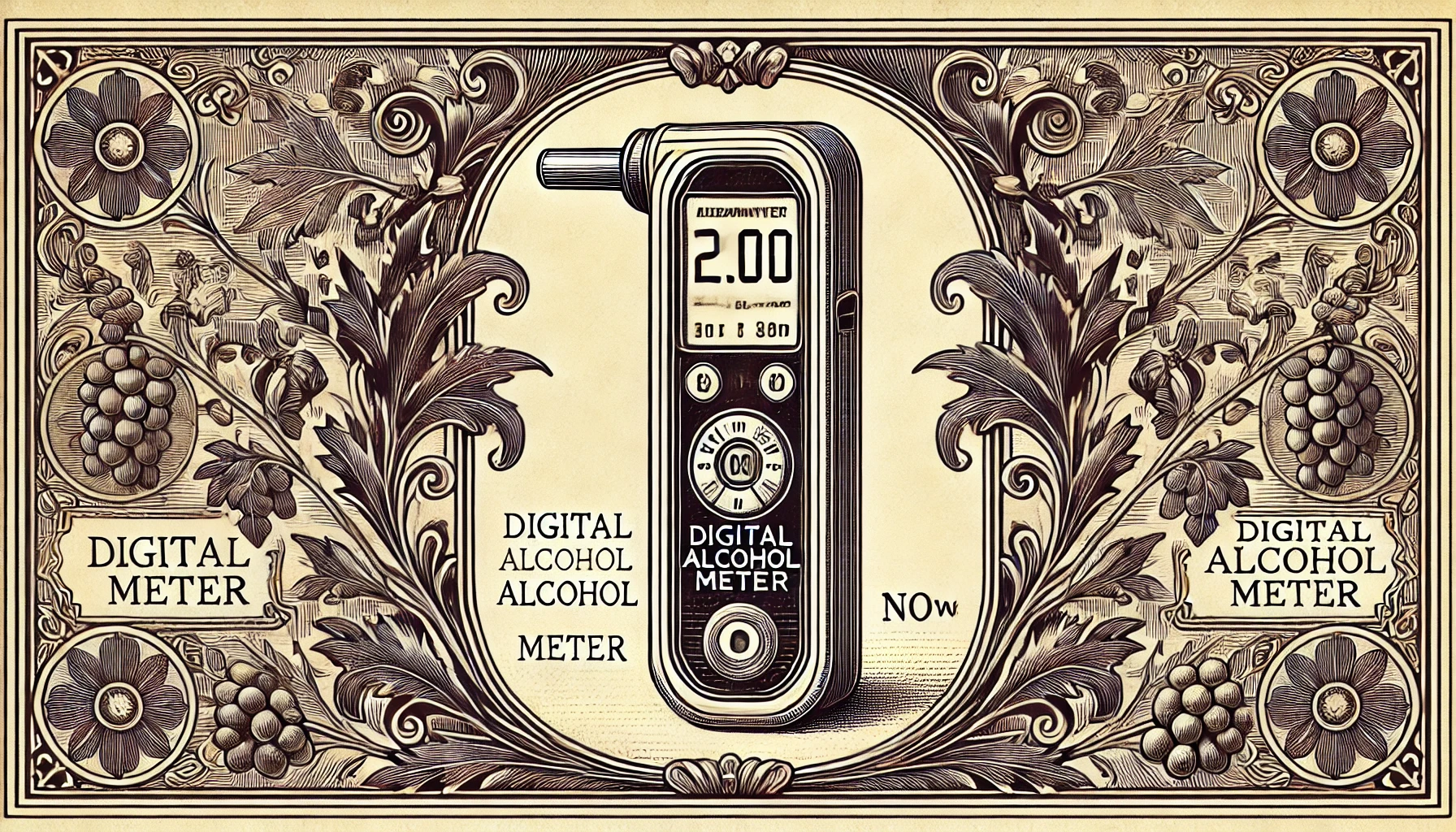
Digital Alcohol Meter

Digital Alcohol Meter - wine wiki

Digital Alcohol Meter: Can It Measure the ABV of Wine?

Knowing how much alcohol is in a wine sounds like something modern technology ought to have solved rather neatly by now.

Insert wine. Press button. Receive ABV.

And, with the right equipment, it can be almost that simple.

Digital alcohol meters and analysers can provide fast and accurate alcohol measurements, which is why they are widely used in wineries, breweries, distilleries and laboratories.

There is, however, an important detail hidden behind the convenient word digital: not all digital alcohol meters work in the same way, and not every device sold as an alcohol meter is suitable for measuring wine.

Wine is a complicated mixture of alcohol, water, sugar, acids and other dissolved substances. A device that works perfectly well with a simple mixture of alcohol and water may therefore give misleading results when presented with a glass of wine.

So, before buying a digital alcohol meter, it helps to know exactly what it measures.

What Is a Digital Alcohol Meter?

A digital alcohol meter is an electronic instrument used to determine or estimate the alcohol concentration of a liquid.

The result is usually displayed as ABV (Alcohol by Volume), the familiar percentage found on wine labels. A wine labelled 12% ABV contains approximately 12% alcohol by volume.

Unlike traditional manual instruments, digital alcohol analysers use electronic sensors and calculations to obtain and display their results.

But “digital alcohol meter” is a broad term.

Different instruments may use very different measurement methods, and this matters considerably when testing something as complex as wine.

How Do Digital Alcohol Meters Work?

Depending on the instrument, a digital alcohol analyser may use one or a combination of several technologies.

Density Measurement

Some digital meters measure the density of a liquid electronically.

This can be extremely accurate when measuring a relatively simple alcohol-and-water mixture. Wine, however, contains sugar, acids and other dissolved substances that also affect density.

For that reason, a simple density measurement cannot always distinguish between the effect of alcohol and everything else in the wine.

Oscillating U-Tube Technology

Professional digital density meters often use an oscillating U-tube. A small sample is introduced into a tube that is made to oscillate, and changes in its oscillation are used to calculate the density of the liquid very precisely.

Again, density alone does not necessarily reveal the alcohol content of a complex beverage such as wine. Professional systems may therefore combine density measurement with additional analysis or appropriate sample preparation.

Infrared and Other Spectroscopic Methods

More advanced beverage analysers may use infrared or other spectroscopic techniques to analyse the composition of a sample.

These instruments can be designed specifically for wine and may measure alcohol alongside other parameters.

Not surprisingly, equipment capable of doing all this tends to belong at the more expensive end of the wine gadget cupboard.

Can a Digital Alcohol Meter Measure Finished Wine?

Yes—but only if the instrument is designed for that purpose.

This is probably the most important thing to understand when shopping for an alcohol meter.

A device may be described online as a “digital alcohol meter” and display alcohol as a percentage, but that does not automatically mean it can accurately analyse finished wine.

Some instruments are intended primarily for spirits or simple ethanol-and-water mixtures. If sugar and other dissolved substances are present, their readings can be affected.

Wine is considerably less cooperative.

If you want to test the ABV of finished wine, look specifically for an analyser that states that it is suitable for wine or complex fermented beverages, and check the manufacturer’s specifications regarding sample preparation, measurement range, accuracy and calibration.

Digital Alcohol Meter vs Alcohol Refractometer

A digital alcohol meter and a refractometer can both have a place in winemaking, but they are not necessarily doing the same job.

A refractometer is particularly useful for measuring sugar in grape juice or must and for following fermentation. With appropriate before-and-after readings and corrections, it can also help estimate the alcohol produced during fermentation.

If you’d like to understand the difference in more detail, see our guide to the alcohol refractometer.

A suitable digital wine analyser, on the other hand, may be able to analyse an already finished wine without requiring the original pre-fermentation reading.

That can make it much more useful if your question is simply:

“How much alcohol is in this wine now?”

The important word, once again, is suitable.

What About Dealcoholised or Home-Treated Wine?

This is an interesting use case because you may know the wine’s original ABV but want to find out how much alcohol remains after reducing it.

A suitable digital wine analyser may be able to provide an estimate or measurement of the remaining alcohol, depending on the technology used.

However, home treatment can change the composition of the wine, and residual sugar and other components can interfere with instruments that rely primarily on density.

If you are simply curious whether you have reduced a wine from roughly 13% to something substantially lower, an appropriate home-testing device may be useful.

If you need to establish that the wine is below a particular legal, commercial or dietary threshold, you need a much higher degree of confidence. In that situation, professional laboratory analysis is the safer choice.

Advantages of Digital Alcohol Meters

When the right instrument is used for the right beverage, digital alcohol measurement has several advantages.

Fast results: Many instruments can produce readings quickly.

Small samples: Some systems require only a relatively small amount of wine.

Easy-to-read results: The measurement is displayed digitally, reducing errors associated with manually reading a scale.

Repeatability: Good-quality instruments can provide consistent measurements when correctly calibrated, maintained and operated.

Specialised wine analysis: Professional beverage analysers can be designed specifically to deal with the complex composition of wine.

There is an obvious attraction to pressing a button instead of peering through glassware while wondering whether you are reading the meniscus correctly.

Technology does occasionally earn its keep.

Limitations to Consider

Digital does not automatically mean accurate.

Before choosing an alcohol meter, consider the following:

Not every meter is suitable for wine. Devices intended for spirits or ethanol-water mixtures may be affected by the sugar and other compounds found in wine.

Accuracy varies considerably. There is no single accuracy figure that applies to every digital alcohol meter.

Calibration may be necessary. Requirements vary by instrument, and some professional devices require regular calibration or verification.

Temperature matters. Good instruments may compensate for temperature automatically, but this does not mean measurement conditions can always be ignored.

Sample preparation may be required. Depending on the analytical method, the wine may need to be filtered, degassed, distilled or otherwise prepared before testing.

Professional equipment can be expensive. High-precision wine analysers are very different instruments from inexpensive handheld alcohol meters sold for home use.

Always check the manufacturer’s specifications rather than relying solely on the words “digital alcohol meter” on the product listing.

How to Use a Digital Alcohol Meter

Because different instruments use different technologies, there is no universal procedure.

In general, however, you will need to:

  1. Check that the instrument is suitable for wine.
  2. Calibrate or verify the device if required by the manufacturer.
  3. Prepare the sample according to the instructions. This may include removing bubbles, filtering the wine or bringing it within a specified temperature range.
  4. Introduce the sample into the measuring chamber or sensor.
  5. Allow the instrument to complete its analysis.
  6. Record the result, usually displayed as % ABV.
  7. Clean the measuring components carefully after use.

For alcohol analysis, following the instructions for the particular instrument is much more important than following a generic online procedure.

Should a Home Winemaker Buy One?

That depends largely on what you want to know.

If you are making wine from scratch and mainly want to monitor fermentation and estimate the eventual alcohol level, traditional tools may be perfectly adequate. A hydrometer or alcohol refractometer is considerably less expensive and can provide the information most home winemakers need.

A digital analyser becomes more interesting if you regularly need to measure finished wines, want greater convenience and repeatability, or simply enjoy having impressive wine equipment on the workbench.

For professional wineries, accurate digital analysis can be valuable for quality control and consistency.

For somebody making six bottles in the kitchen once a year, it may be somewhat harder to justify.

Frequently Asked Questions

What does a digital alcohol meter measure?

Depending on the device, it may measure density, analyse the sample spectroscopically or use another method to determine or estimate alcohol concentration. Results are commonly expressed as ABV (Alcohol by Volume).

Are digital alcohol meters accurate?

They can be extremely accurate, but accuracy depends entirely on the instrument, technology, calibration, sample and type of beverage. A blanket accuracy figure cannot be applied to all digital alcohol meters.

Can I use a digital alcohol meter for wine?

Only if the device is suitable for wine. Check the manufacturer’s specifications carefully. A meter intended for spirits may not accurately measure wine because sugar, acids and other dissolved substances can interfere with the measurement.

Can I measure the alcohol left in wine after removing some of it?

Potentially, yes, if you use an analyser designed for finished wine. For an approximate home measurement, an appropriate device may be sufficient. If you need a certified or highly accurate ABV, professional analysis is preferable.

Is a digital alcohol meter better than a refractometer?

Not necessarily—they are useful for different purposes. A refractometer is an excellent tool for measuring sugar and monitoring fermentation, while an appropriate digital wine analyser can be more useful when you want to determine the alcohol content of an already finished wine.

Final Thoughts

Digital alcohol meters can make measuring wine considerably quicker and easier, but the name on the box doesn’t tell the whole story.

The important question isn’t simply:

“Is it digital?”

It is:

“Is it designed to measure alcohol accurately in wine?”

For home winemaking and fermentation monitoring, a refractometer or hydrometer may be all you need. For analysing finished wine, a suitable digital wine analyser can be much more useful.

And when the exact number genuinely matters, professional laboratory testing remains difficult to beat.

As with so many things in wine, the right tool depends on what you’re actually trying to find out.

Curious about more wine terms and insights? Visit our Wine Wiki section and explore the basic wine terms for expert definitions and tips!
Posted on Leave a comment

Geosmin

Geosmin - wine wiki

What is Geosmin?

Geosmin is a naturally occurring organic compound. It responsible for the distinct earthy, musty aroma often associated with wet soil after rainfall. This compound is a bicyclic alcohol with the chemical formula C12H22O and belongs to the class of terpenoids. It is primarily produced by microorganisms such as Streptomyces (a genus of filamentous actinomycetes) and fungi like Botrytis cinerea and Penicillium expansum.

The Meaning and Origin

The term geosmin is derived from the Greek words “geo” (meaning earth) and “osme” (meaning smell), directly translating to “earth smell.” This name reflects its role in producing the characteristic scent of freshly disturbed soil. Basically, the aroma of rain hitting the ground, also known as petrichor.

Geosmin’s Role in Wine

In the context of winemaking, geosmin is generally regarded as a fault, as it can impart undesirable earthy, musty, and root-vegetable-like aromas to wine. The compound has an exceptionally low sensory threshold, detectable by humans at concentrations as low as 10 parts per trillion (ppt). Even at such minute levels, it can significantly alter a wine’s sensory profile, making it an important factor in wine quality assessment.

How Does Geosmin Enter Wine?

Geosmin contamination in wine can occur through multiple pathways:

  1. Grape Infection – Microbial growth on grape skins, particularly from Streptomyces, Botrytis cinerea, and Penicillium expansum, can introduce geosmin into the wine.
  2. Winemaking Process – Grapes exposed to soils rich in geosmin-producing microbes may retain trace amounts of the compound.
  3. Storage & Bottle Aging – Contaminated corks, especially those affected by microbial activity, can introduce geosmin into bottled wines, sometimes leading to confusion with cork taint.

Geosmin in Wine Regions

Although geosmin faults can occur in wines from various parts of the world, they have been particularly documented in red wines from Beaujolais, Bordeaux, Burgundy, and the Loire Valley in France. Due to its earthy character, geosmin’s presence is sometimes mistakenly attributed to the terroir of these regions rather than microbial contamination.

The Relationship Between Geosmin and Cork Taint

Geosmin is sometimes confused with cork taint, but it is not the primary cause. Cork taint is usually due to trichloroanisole (TCA), a compound resulting from chlorine-based contaminants reacting with mold in cork. However, it can contribute to similar off-putting aromas, making it difficult to distinguish between the two.

Is Geosmin a Health Risk?

From a health perspective, geosmin is considered harmless to humans. According to research from institutions such as the National Institutes of Health (NIH) and various university studies, geosmin does not pose any toxic or harmful effects when consumed in wine or water. The primary concern with it in wine is its impact on sensory perception rather than health. While it may cause wine to taste unpleasantly earthy or musty, it does not have any known negative physiological effects.

Detection and Mitigation

Due to its potent aroma and low detection threshold, preventing geosmin contamination is a priority for winemakers. Strategies include:

  • Grape Sorting – Removing mold-infected grapes before fermentation.
  • Hygienic Practices – Ensuring clean winery conditions to prevent microbial contamination.
  • Filtration and Fining – Certain winemaking techniques, such as activated carbon treatments, can help reduce geosmin levels before bottling.
  • Cork Quality Control – Using high-quality, tested corks to minimize microbial contamination.

Conclusion

It is a naturally occurring compound that, while pleasant in some contexts like the smell of rain, is generally undesirable in wine. Its presence can alter the intended sensory profile of a wine, often leading to perceptions of an earthy or musty fault. Although it is not harmful to health, its influence on wine quality makes it an issue of concern for winemakers and wine enthusiasts alike.

References

Curious about more wine terms and insights? Visit our Wine Wiki section and explore the basic wine terms for expert definitions and tips!
Posted on Leave a comment

The Cheapest Wine Regions to Buy Land in Europe

Cheapest Wine Regions

Ever dreamt of owning a vineyard but never had enough money? Well, you’re in luck. Europe, with its rich viticultural history, offers several regions where you can cultivate quality grapes without draining your savings. Let’s embark on a journey through some of Europe’s most affordable wine regions, considering factors like land prices, climate, labor costs, infrastructure, and proximity to major wine markets.

Why Invest in European Vineyards?

Europe’s diverse climates and terrains have birthed some of the world’s most renowned wine regions. Investing in a European vineyard means tapping into centuries-old traditions, benefiting from established infrastructures, and accessing a vast market of wine aficionados. Plus, with the continent’s efficient transportation networks, getting your wine to consumers is a breeze.

Key Factors to Consider

Before diving into specific regions, let’s outline the essential factors to consider when scouting for vineyard land:

  • Land Prices: The cost per hectare can vary dramatically across Europe.
  • Climate: Ideal conditions are crucial for grape cultivation.
  • Labor Costs: Affordable and skilled labor can significantly impact profitability.
  • Infrastructure: Access to roads, utilities, and facilities is vital for operations.
  • Market Proximity: Being close to major wine-consuming regions reduces transportation costs and time.

Top Affordable Wine Regions in Europe

Let’s explore some European regions that offer a harmonious blend of affordability and quality for aspiring vineyard owners.

1. Bulgaria

Overview: Bulgaria, nestled in Southeast Europe, boasts a winemaking tradition dating back to ancient Thrace. The country’s diverse terroirs and moderate continental climate make it an excellent choice for viticulture.

Why It’s Affordable:

  • Land is significantly cheaper than in Western Europe, with vineyard-ready plots starting at just €1,000-€3,000 per hectare.
  • Labor costs are among the lowest in the EU, allowing for budget-friendly operations.
  • Infrastructure is improving, with investments in transport and logistics making it easier to get wine to market.

Best Areas for Vineyards:

  • Thracian Valley: Known for bold reds like Mavrud and Merlot.
  • Danubian Plain: Produces fresh, aromatic whites.
  • Struma Valley: Perfect for Mediterranean-style reds like Melnik.

2. Romania

Overview: Often overlooked, Romania has some of the best conditions for wine production in Eastern Europe. With a mix of continental and maritime influences, it supports a range of grape varieties.

Why It’s Affordable:

  • Vineyard land costs between €2,000-€5,000 per hectare, far lower than in France or Italy.
  • Local labor remains cost-effective while skilled, thanks to a deep-rooted winemaking culture.
  • Romania’s infrastructure, especially in wine regions, is improving with EU support.

Best Areas for Vineyards:

  • Dealu Mare: Known as the “Tuscany of Romania,” ideal for red wines.
  • Murfatlar: Close to the Black Sea, great for both whites and reds.
  • Transylvania: Cooler climate, producing crisp, aromatic whites.

3. Portugal (Outside the Douro Valley)

Overview: While the Douro Valley is famous and pricey, other Portuguese regions offer fantastic winemaking opportunities at a fraction of the cost.

Why It’s Affordable:

  • Land in lesser-known regions starts at €5,000-€10,000 per hectare.
  • Portugal’s mild climate and diverse terroirs allow for varied wine styles.
  • Infrastructure and export channels are well-developed, given Portugal’s established wine trade.

Best Areas for Vineyards:

  • Alentejo: Affordable land with a hot, dry climate perfect for reds.
  • Lisboa Region: Close to major markets and good for white wines.
  • Dão: Produces elegant, structured reds at lower land costs.

4. Hungary

Overview: Hungary is famous for its Tokaji sweet wines, but it also offers incredible value for those looking to start a winery.

Why It’s Affordable:

  • Vineyard land costs between €3,000-€7,000 per hectare.
  • Winemaking is deeply ingrained in the culture, meaning skilled labor is available.
  • Central location within Europe makes transportation easy.

Best Areas for Vineyards:

  • Tokaj: Ideal for sweet and dry white wines.
  • Eger: Known for bold reds like Bikavér (Bull’s Blood).
  • Villány: Warmer climate, great for full-bodied reds.

5. Moldova

Overview: Though not an EU country, Moldova is a rising star in winemaking, offering unbeatable land prices and high-quality grapes.

Why It’s Affordable:

  • Vineyard-ready land is incredibly cheap, often under €1,500 per hectare.
  • Labor is among the lowest-cost in Europe, yet winemaking expertise is strong.
  • Close to Eastern European markets, with increasing exports to Western Europe.

Best Areas for Vineyards:

  • Codru: Produces balanced reds and whites.
  • Stefan Voda: Warmer, great for full-bodied reds.
  • Valul lui Traian: Offers diverse terroirs and grape varieties.

Comparison Table: Best Affordable Wine Regions in Europe

RegionLand Price Per HectareBest GrapesMarket Access
Bulgaria€1,000 – €3,000Mavrud, MerlotGood
Romania€2,000 – €5,000Fetească, MerlotGood
Portugal€5,000 – €10,000Touriga Nacional, ArintoExcellent
Hungary€3,000 – €7,000Furmint, KékfrankosGood
Moldova€1,500 – €3,000Rara Neagră, ChardonnayImproving

Final Thoughts

If you’ve ever dreamed of owning a vineyard but thought it was out of reach, these European regions prove otherwise. With affordable land, excellent growing conditions, and access to major wine markets, you can turn your winemaking aspirations into reality. Whether you’re after bold reds in Bulgaria, crisp whites in Hungary, or sweet delights from Moldova, the opportunities are ripe for the picking.

For more tips on vineyard ownership, check out this article: From Grapes to Glory: What It Takes to Own a Vineyard. And if you’re on the hunt for budget-friendly land deals, visit Property Under 100K.

Happy winemaking!

Posted on Leave a comment

Alcohol Refractometer

Alcohol Refractometer - wine wiki

Alcohol Refractometer: Can It Really Measure the ABV of Wine?

An alcohol refractometer sounds wonderfully straightforward: add a few drops of wine, look through the instrument and discover how much alcohol is in your glass.

Unfortunately, wine has other ideas.

A refractometer is a small instrument that measures how light bends, or refracts, as it passes through a liquid. In winemaking, refractometers are particularly useful for measuring sugar levels in grape juice and following changes during fermentation.

They require only a few drops of liquid, which makes them convenient for home winemakers as well as professionals.

However, there is an important catch: a refractometer cannot normally tell you the exact alcohol content of an unknown finished wine simply by placing a few drops on the instrument.

Once fermentation has begun, both sugar and alcohol affect the refractive index. The reading therefore needs to be interpreted or corrected before it can be used to estimate alcohol content.

How Does an Alcohol Refractometer Work?

When light passes from one substance into another, it changes speed and bends. A refractometer measures this change, known as the refractive index.

Before fermentation, the refractive index can be used to estimate the sugar concentration of grape juice or must, commonly expressed in Brix.

This is useful because the amount of sugar available before fermentation gives the winemaker an indication of the potential alcohol that can eventually be produced.

Once fermentation begins, things become a little less straightforward.

Yeast converts sugar into alcohol. As sugar decreases and alcohol increases, both substances influence the refractive index.

If you have a reading from before fermentation and another from during or after fermentation, the readings can be used with an appropriate correction formula or calculator to estimate the resulting alcohol content.

Why Use a Refractometer in Winemaking?

Despite its limitations, a refractometer is a very useful winemaking tool.

One of its greatest advantages is simply how little wine or juice it requires. Instead of filling a testing cylinder, you can take a measurement using only a few drops.

Other advantages include:

  1. Very small samples – Only a few drops of juice or wine are required.
  2. Quick measurements – A reading can be taken in seconds.
  3. Portability – Most refractometers are small and easy to carry.
  4. Monitoring fermentation – Regular readings can help follow changes as sugar is consumed.
  5. Less waste – Particularly useful when frequent measurements are required.

Refractometers can be especially handy around harvest and during fermentation, when sugar levels need to be checked regularly.

How to Use an Alcohol Refractometer

The exact procedure will depend on the instrument, so always follow the manufacturer’s instructions. For a typical optical refractometer, the process looks something like this:

  1. Calibrate the refractometer. This is commonly done with distilled water according to the manufacturer’s instructions.
  2. Take a small sample. Place a few drops on the clean measuring surface.
  3. Close the cover. Make sure the sample spreads evenly and there are no bubbles.
  4. Take the reading. With an optical model, hold the refractometer towards a suitable light source and read the scale.
  5. Record the result. If you are following a fermentation, keep your original pre-fermentation reading for comparison.
  6. Apply the appropriate correction. Once alcohol is present, the raw refractometer reading alone is not enough. A suitable formula, calculator or winemaking software can be used to interpret the results.

And that final point is important.

A refractometer is measuring how the liquid affects light. It is not actually counting alcohol molecules and reporting back with a convenient percentage.

Can a Refractometer Measure the ABV of Finished Wine?

This is where the distinction really matters.

If you have been monitoring a wine from before fermentation, a refractometer can help you estimate the amount of alcohol produced, provided you have the necessary readings and use an appropriate correction.

But suppose somebody hands you a bottle of finished wine and asks:

“How much alcohol is in this?”

A simple refractometer reading generally cannot give you a reliable answer.

Alcohol affects the refractive index, but so do residual sugar and other dissolved substances in the wine. Without the necessary information about the wine and its starting point, interpreting a single reading becomes much more difficult.

This is particularly relevant for sweet wines and wines that have been treated after fermentation.

So, while a refractometer is an excellent fermentation tool, it should not be regarded as a universal wine ABV tester.

What About Wine That Has Been Dealcoholised at Home?

This raises another interesting question: what if you already know the original alcohol content but have treated or heated the wine at home to remove some of the alcohol?

Unfortunately, a simple refractometer still won’t reliably tell you exactly how much alcohol remains.

The composition of the wine has changed, and the remaining sugars and other dissolved substances continue to influence its refractive index.

If your goal is to determine the remaining ABV of an already finished or partially dealcoholised wine, you may need a different method.

A suitable alcohol analyser may be a better option. You can read more about the different possibilities in our guide to digital alcohol meters.

Even then, it is important to check what a particular instrument is designed to measure. Not every device marketed as an “alcohol meter” is suitable for wine.

If you need to know the alcohol content very accurately—for example, because you need to confirm that a wine falls below a particular ABV—professional laboratory analysis remains the safer option.

Refractometer vs Hydrometer

Refractometers and hydrometers are both commonly used during winemaking, but they work differently.

A refractometer measures the way light bends through a small sample. A hydrometer measures the density, or specific gravity, of a liquid.

A refractometer has the advantage of requiring only a few drops, while a hydrometer normally needs a considerably larger sample.

Both can be useful for following fermentation, particularly when measurements are taken at the beginning and end of the process. Neither, however, should automatically be treated as a simple direct alcohol tester for an unknown finished wine.

Limitations to Consider

An alcohol refractometer is useful, but understanding its limitations makes it considerably more useful.

Alcohol affects the reading. Once fermentation begins, a simple Brix reading can no longer be interpreted in exactly the same way as it was before fermentation.

Residual sugar matters. Sugar remaining in the finished wine can influence the refractive index and complicate alcohol estimates.

The original reading can be important. Estimating alcohol produced during fermentation usually requires information about the starting sugar concentration.

Temperature can matter. Some refractometers include automatic temperature compensation, but the instrument should still be used according to the manufacturer’s specified conditions.

It provides an estimate, not laboratory analysis. A refractometer is a practical winemaking instrument, but it should not replace professional testing when precise alcohol measurement is required.

Frequently Asked Questions

What metric is used to measure alcohol in wine?

Alcohol content is normally expressed as ABV, or Alcohol by Volume. A wine labelled 12% ABV contains approximately 12% alcohol by volume.

Can I put finished wine on a refractometer and read its ABV?

Generally, no. Alcohol, sugar and other substances in finished wine all influence the refractive index. A single refractometer reading therefore cannot normally provide an accurate direct ABV measurement.

Can I use a refractometer to calculate alcohol during winemaking?

Yes, it can be useful for estimating alcohol when you have measurements from before fermentation and later in the fermentation process. Once alcohol is present, appropriate corrections need to be applied to the refractometer readings.

Can I test how much alcohol remains after treating wine at home?

You can test it, but a simple refractometer is unlikely to give you an accurate direct answer. Depending on the level of accuracy required, a suitable alcohol analyser or professional laboratory test may be more appropriate.

Final Thoughts

An alcohol refractometer is a handy little instrument, particularly considering how much information can be obtained from only a few drops.

Its real strength in winemaking is measuring sugar, monitoring fermentation and helping to estimate alcohol when suitable before-and-after readings are available.

What it cannot reliably do is reveal the exact ABV of any finished wine from a single reading.

Understanding that distinction makes a refractometer much more useful—and saves you from asking a clever little optical instrument to perform magic.

Curious about more wine terms, equipment and practical questions? Explore our Wine Wiki for more straightforward explanations from the world of wine.

Posted on Leave a comment

Is There Such a Thing Like a Healthy Breakfast Wine?

Healthy Breakfast Wine

For most people, wine and breakfast don’t seem like a healthy pairing at all. However, when chosen wisely and consumed in moderation, a breakfast wine can be both enjoyable and even relatively “healthy”. If European traditions of morning wine consumption have taught us anything, it’s that a well-balanced, lower-alcohol wine can complement a leisurely brunch or enhance a weekend breakfast experience.

1. Choosing a “Healthy” Breakfast Wine

A “healthy” breakfast wine should meet the following criteria:

  • Low Alcohol Content (7–10% ABV): Lighter wines ensure a gentle start to the day without overwhelming the senses or metabolism.
  • Low Sugar, Natural Wines: Wines with minimal residual sugar and no added sulfites reduce unnecessary calorie intake and potential headaches.
  • High in Antioxidants: Wines rich in polyphenols, such as resveratrol, may offer heart-health benefits when consumed responsibly.

2. Best Types of Breakfast Wines

a) Light, Sparkling Wines

  • Moscato d’Asti (5–6% ABV): A lightly effervescent, fruity option that pairs well with yogurt and fruit.
  • Vinho Verde (9–10% ABV): Crisp, slightly fizzy, and refreshing, perfect for light egg dishes.
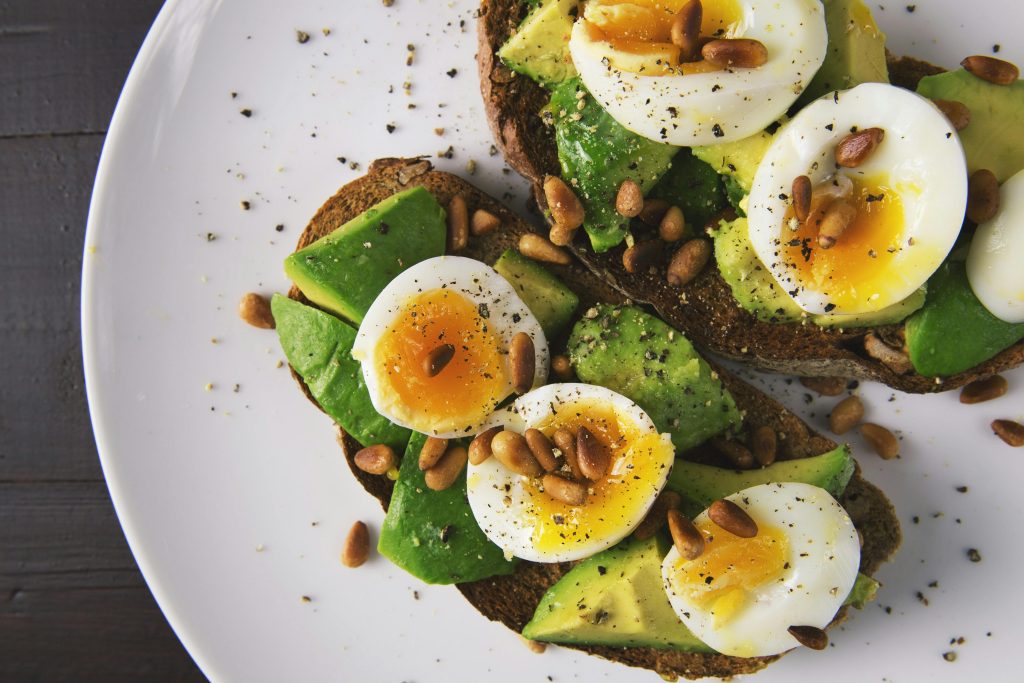
  • Brut Nature Champagne or Crémant: Dry sparkling wines without added sugar pair beautifully with smoked salmon and avocado toast.
  • Mimosa (Champagne + Orange Juice): A classic brunch cocktail that dilutes the Champagne with fresh orange juice, making it a lighter and vitamin-rich alternative.

b) Crisp, Aromatic Whites

  • German Kabinett Riesling (7–9% ABV): High acidity and gentle sweetness make it an ideal match for pastries or mild cheeses.
  • Albariño: Zesty and citrusy, a great choice for seafood-based breakfasts.

c) Chilled, Low-Tannin Reds

  • Gamay (Beaujolais): A fruit-forward, low-tannin red that pairs well with eggs and mushrooms.
  • Dry Lambrusco: Slightly sparkling, with bright red fruit notes, balancing both sweet and savory dishes.

3. Wine Pairings for a Balanced Breakfast

  • Sparkling Wine + Smoked Salmon & Avocado Toast – The acidity cuts through the richness, creating a harmonious match.
  • Moscato d’Asti + Greek Yogurt & Fresh Berries – The fruit-forward nature of Moscato complements the natural sweetness of berries.
  • Gamay + Eggs & Mushrooms – The light, juicy character of Gamay pairs well with umami-rich breakfast dishes.
  • Riesling + French Toast – A semi-sweet Riesling enhances caramelized flavors without overwhelming the palate.

4. More Ways to Enjoy Breakfast Wine

If you’re looking for creative ways to enjoy wine with breakfast, consider exploring unique breakfast wine cocktails that bring an extra sparkle to your morning. For a refreshing, island-inspired twist, you might also enjoy Island Breeze Mimosas or Sparkling Party Punch for a fruity, bubbly start to the day.

5. Is Breakfast Wine a Good Idea?

While it may not be a daily indulgence, a thoughtfully chosen breakfast wine can be a delightful addition to a leisurely brunch. The key is moderation, pairing wine with nutrient-rich foods, and selecting varieties that align with a health-conscious approach.

Would you consider making breakfast wine a part of your occasional weekend routine? Let us know your favorite morning wine pairings!