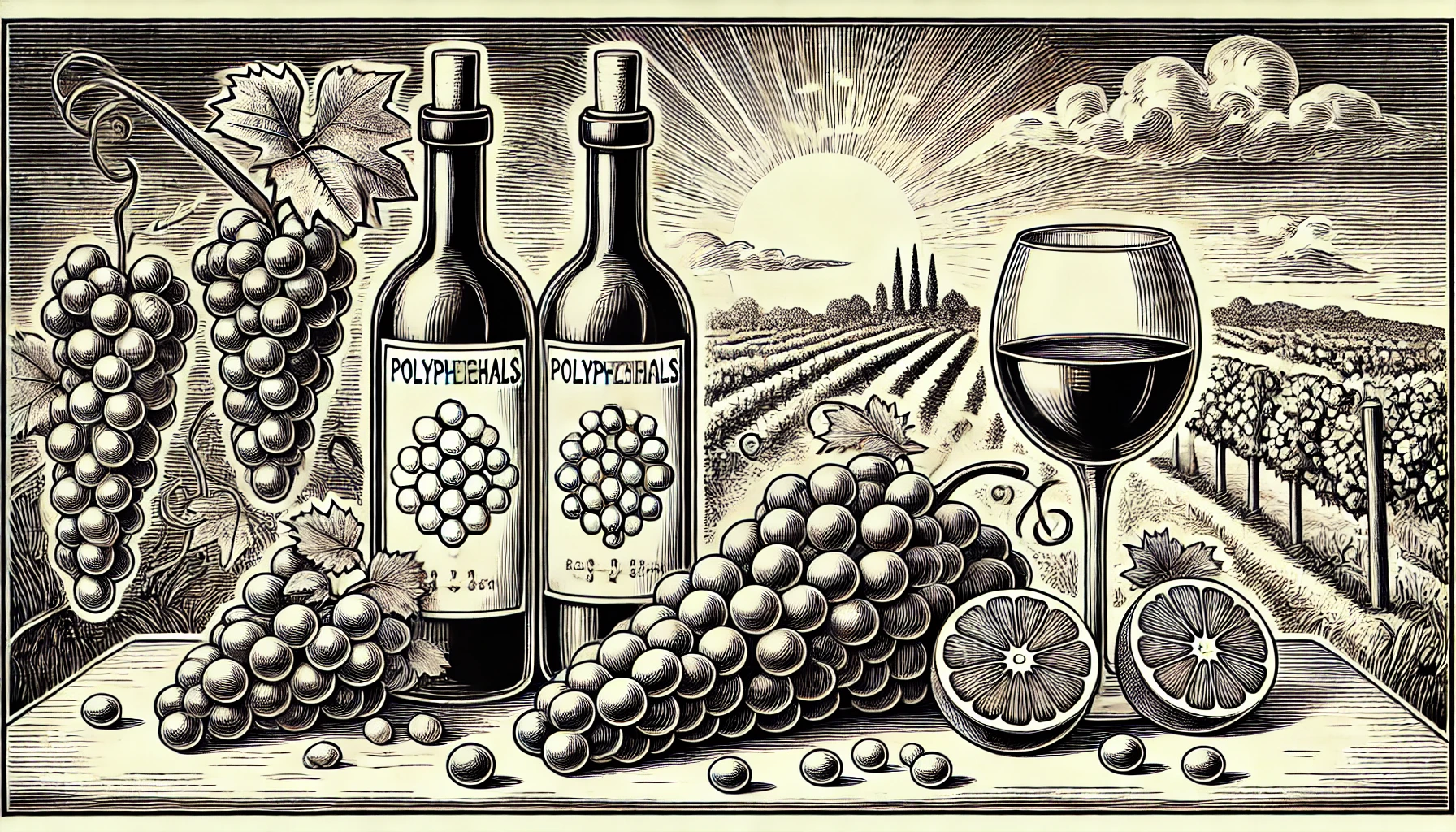
Polyphenols are a group of naturally occurring compounds found in plants that are known for their antioxidant properties. They play a key role in protecting plants from ultraviolet radiation, pathogens, and oxidative stress. In the human diet, they are abundant in foods such as fruits, vegetables, tea, coffee, and red wine, with grapes, apples, berries, and certain herbs among the richest sources. Their presence in wine, particularly red wine, has made polyphenols a popular subject in discussions about the potential health benefits of moderate wine consumption.
They can be divided into several categories, including flavonoids, phenolic acids, lignans, and stilbenes. Each category has unique properties and potential health benefits. One of the most well-known polyphenols in wine is resveratrol, a type of stilbene found in grape skins. Other important polyphenols in wine include quercetin, catechins, and tannins, which contribute to the wine’s flavor, structure, and color.
Antioxidant Properties
The antioxidant properties of polyphenols allow them to neutralize harmful free radicals in the body, which are unstable molecules that can damage cells and contribute to chronic diseases such as heart disease, cancer, and neurodegenerative conditions. By reducing oxidative stress, they help protect cells and support overall health. This has led to research suggesting that diets rich in polyphenols may offer a range of health benefits, from improved cardiovascular function to anti-inflammatory effects.
In wine, particularly red wine, polyphenols are extracted from grape skins, seeds, and stems during the fermentation process. This is why red wine typically contains more polyphenols than white wine, as the skins are left in contact with the juice for a longer period. While the amount of polyphenols in wine may not be enough to provide significant health benefits on its own, moderate consumption of red wine as part of a balanced diet can contribute to overall health.
Polyphenols are also available in supplements. However, obtaining them from whole foods or beverages like tea, fruits, and wine is generally considered the most beneficial way to enjoy their protective properties.
Curious about more wine terms and insights? Visit our Wine Wiki section and explore the basic wine terms for expert definitions and tips!
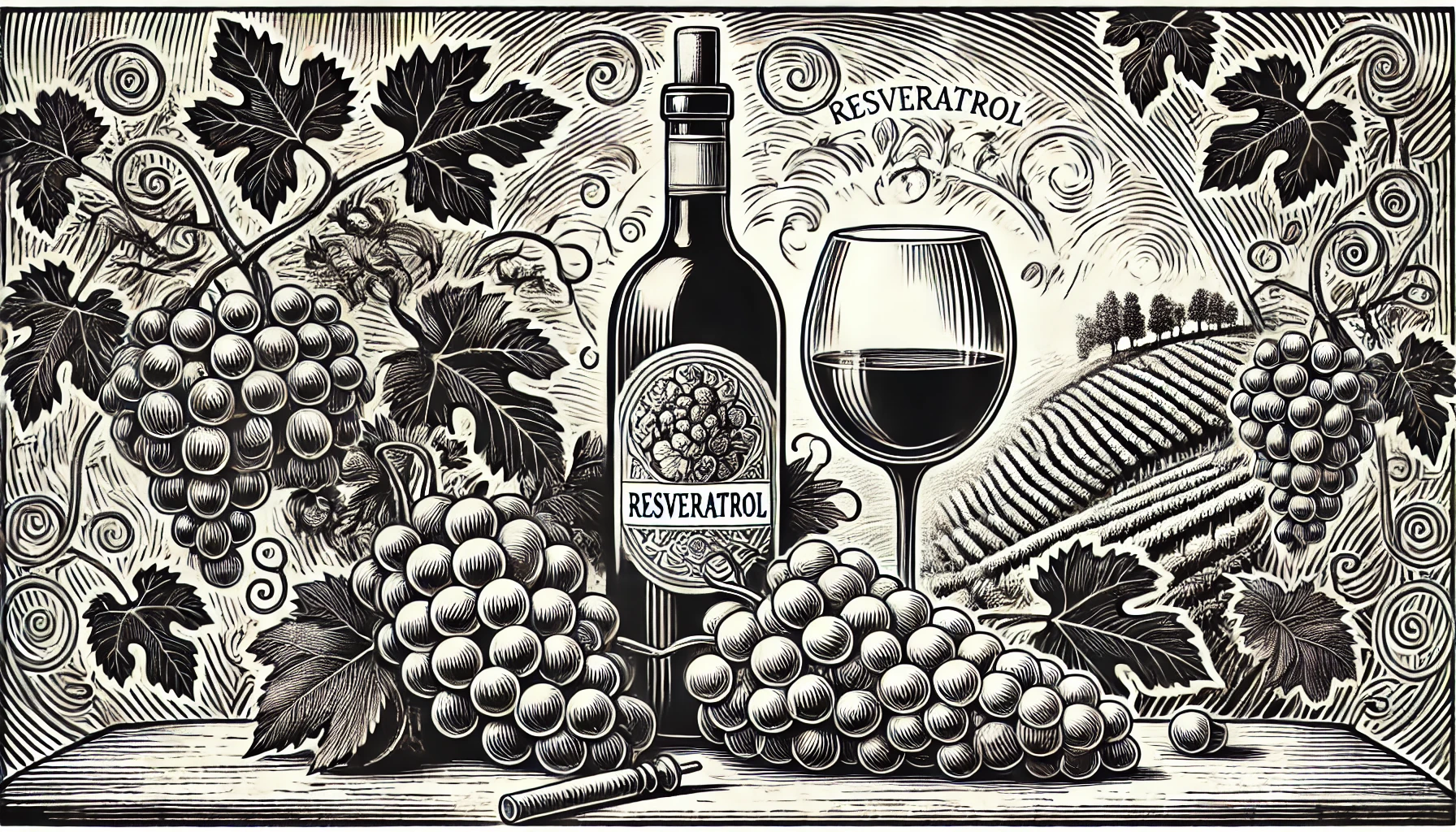
Resveratrol is a natural compound that has captured the attention of scientists, wine enthusiasts, and health-conscious individuals alike. Found in various plants—most notably in grapes—the compound belongs to the family of polyphenols, which are known for their antioxidant and anti-inflammatory properties. In the context of the wine world, resveratrol is recognized as a potential contributor to the so-called “French Paradox,” wherein moderate wine consumption is linked to lower rates of cardiovascular disease despite diets relatively rich in saturated fats.
Despite its popularity, there are many nuances to understand about resveratrol, from how it works to where it’s best sourced. This article dives into the science behind resveratrol, its role in red wine, the potential health benefits and limitations, and how much wine one might realistically need to drink to fully take advantage of this intriguing molecule.
What Is Resveratrol?
Chemical Nature and Classification
Resveratrol is part of the stilbenoid family of polyphenols. Polyphenols are compounds produced by plants as a defense mechanism against environmental stressors such as pests, pathogens, and UV radiation. While all polyphenols share some common antioxidant traits, resveratrol stands out due to its wide range of studied effects, from anti-aging to anti-inflammatory properties.
Chemical Structure
Resveratrol is technically known as trans-3,5,4′-trihydroxystilbene.
It has two isomers: cis and trans, with the trans form generally considered more biologically active.
Natural Occurrences of Resveratrol
It is found in:
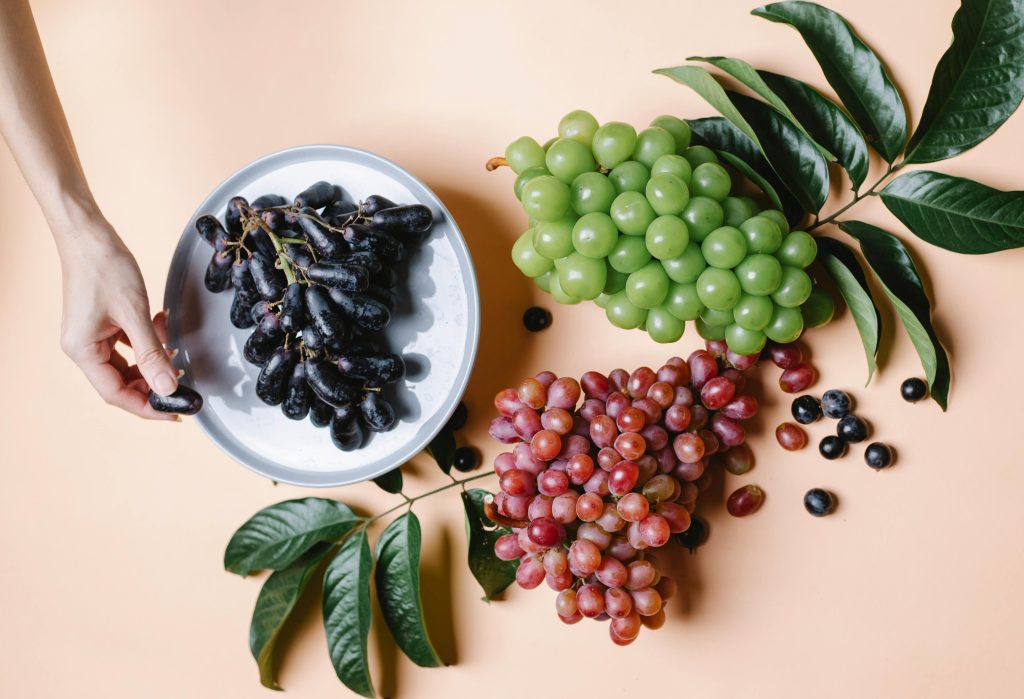
Grape Skins: Particularly abundant in red grapes, which is why red wine often contains higher concentrations of it than white wine.
Berries: Blueberries, cranberries, and bilberries contain smaller amounts.
Peanuts: Especially boiled peanuts, though the content is lower than in grape skins.
Other Sources: Japanese knotweed (Reynoutria japonica) is often used in resveratrol supplements because it has a relatively high concentration.
Plants produce resveratrol in response to injury, fungal infection, and UV radiation. This natural defense mechanism is part of what makes the compound appealing for human health—its ability to mitigate oxidative stress in plants may also provide benefits for human cells.
The Role of Resveratrol in Wine
Why Red Wine?
The difference in resveratrol content between red and white wine is rooted in the winemaking process. Red wine is fermented with the grape skins in contact with the juice, allowing the resveratrol to leach into the liquid. In contrast, white wine is fermented without the grape skins, resulting in a significantly lower concentration of it.
According to various studies, the levels of resveratrol in red wine can vary widely depending on factors such as:
Grape variety
Region and climate
Winemaking techniques
Exposure to light and oxygen during fermentation
Despite the variability, red wine remains one of the most convenient dietary sources of resveratrol for individuals who already enjoy moderate wine consumption.
The French Paradox Connection
The so-called French Paradox refers to epidemiological observations that the French population, which traditionally consumes a diet high in saturated fats (e.g., cheese, butter, and creamy sauces), has relatively low rates of heart disease. Some researchers have attributed this phenomenon, at least partially, to moderate red wine consumption and the presence of resveratrol.
Mechanisms of Action: How Resveratrol Works
Antioxidant Effects
As an antioxidant, it neutralizes harmful free radicals in the body—unstable molecules that can damage cells and DNA through oxidative stress. Chronic oxidative stress has been linked to an array of diseases, including:
Cardiovascular disease
Certain forms of cancer
Neurodegenerative conditions (e.g., Alzheimer’s and Parkinson’s diseases)
By reducing oxidative damage, resveratrol may help slow the progression of these diseases or lower their risk of onset.
Anti-Inflammatory and Cardiovascular Benefits
It has also garnered attention for its potential anti-inflammatory properties. Inflammation is a key player in numerous chronic conditions, most notably heart disease. Research indicates that resveratrol could:
Improve Endothelial Function: The endothelium is the inner lining of blood vessels. Healthy endothelial function is crucial for controlling blood pressure and preventing arterial plaque buildup.
Reduce LDL Oxidation: LDL (low-density lipoprotein) cholesterol can oxidize and form plaque in arteries, contributing to atherosclerosis. Resveratrol’s antioxidant properties may reduce the incidence of LDL oxidation.
Improve Lipid Profiles: Some studies have shown that resveratrol can positively modify lipid profiles, such as raising HDL (high-density lipoprotein) cholesterol, although the results vary.
Cell Signaling Pathways
Beyond antioxidant and anti-inflammatory effects, resveratrol has been studied for its influence on a variety of cellular processes, such as:
Gene expression related to longevity: Some research points to resveratrol activating sirtuins (proteins associated with aging and longevity in animal models).
Cell cycle regulation: The compound may influence the cell cycle and apoptosis (programmed cell death), which has potential implications for cancer research.
Potential Health Benefits of Resveratrol
1. Heart Health
One of the top reasons for resveratrol’s popularity is its potential role in cardiovascular health. Studies suggest that moderate wine consumption (particularly red wine) may lower the risk of heart disease. Resveratrol is often cited as a key player because it helps in:
Maintaining the flexibility of blood vessels
Reducing blood clot formation
Combatting oxidative damage
However, it’s important to note that the amount of resveratrol in a typical glass of red wine may be insufficient to yield substantial health benefits, depending on one’s overall diet, genetics, and lifestyle.
2. Anti-Aging Effects
The anti-aging properties of resveratrol stem from its potential activation of certain genetic pathways linked to longevity. Laboratory studies in yeast, worms, and mice have shown promising results, suggesting that resveratrol may mimic some effects of calorie restriction—a dietary regimen known to extend lifespan in animal models. While these findings are intriguing, more research is needed to confirm similar benefits in humans over the long term.
3. Cancer Research
Resveratrol’s antioxidant and cell-regulatory properties have spurred interest in its role in cancer prevention and therapy. Some preclinical and animal studies suggest that resveratrol may:
Inhibit the growth of certain cancer cells
Block the expression of specific genes that promote tumor growth
Enhance the effectiveness of certain chemotherapy drugs
Clinical trials in humans, however, are still limited, and the findings are not yet robust enough to make any definitive claims about its efficacy in cancer prevention or treatment.
4. Brain Health
Neurodegenerative diseases such as Alzheimer’s and Parkinson’s are linked to oxidative damage and inflammation in brain tissues. Resveratrol’s antioxidant action could theoretically offer some protection by:
Reducing neuroinflammation
Preventing the buildup of amyloid plaques (in Alzheimer’s)
Supporting neuronal health
Although animal models provide some support for resveratrol’s neuroprotective effects, large-scale human trials are still ongoing.
5. Metabolic Health
Some researchers have investigated resveratrol in the context of type 2 diabetes and obesity. Studies suggest that resveratrol could help:
Improve insulin sensitivity
Influence lipid metabolism
Reduce overall inflammation
While these benefits show promise, they are typically observed in controlled laboratory settings or with higher doses of resveratrol than one would get from a casual glass of wine.
How Much Wine Would You Need?
One of the most frequent questions asked is: How much red wine do I need to drink to get the benefits of resveratrol? The short answer is that the resveratrol content in red wine is relatively low compared to the doses used in many scientific studies.
Resveratrol Content per Glass: On average, a five-ounce (150 ml) glass of red wine might contain between 0.2 mg and 2 mg of resveratrol, though this can vary widely.
Doses in Studies: In laboratory or supplement studies, doses can range from 50 mg to several hundred milligrams per day, far exceeding what a moderate wine drinker would typically consume.
In reality, drinking large amounts of wine to match these research doses is neither practical nor advisable due to the risks associated with excessive alcohol consumption (e.g., liver damage, addiction, and increased caloric intake).
Resveratrol Supplements: Are They Necessary?
Given the low levels of resveratrol in wine compared to research-grade doses, many health-conscious individuals turn to resveratrol supplements as a more concentrated source. These supplements often derive resveratrol from sources like Japanese knotweed or concentrated grape extracts.
Pros of Supplements
Controlled Dosage: Supplements list exact milligram content, allowing for targeted intake.
No Alcohol: Individuals who avoid alcohol can still access resveratrol’s potential benefits.
Consistency: Quality supplements are standardized for purity and potency.
Cons of Supplements
Bioavailability Issues: Resveratrol has low bioavailability, meaning the body may not effectively absorb or utilize high doses.
Unknown Long-Term Effects: Long-term human data on high-dose resveratrol supplementation is limited.
Regulatory Variability: Supplements are not regulated as strictly as pharmaceuticals, so quality and purity can vary.
Bioavailability and Metabolism
Even if one consumes resveratrol—whether through wine or supplements—the compound’s bioavailability is a key concern. Research shows that it is metabolized quickly in the liver and might not remain in the bloodstream long enough to exert its full range of proposed health benefits.
Factors that influence resveratrol absorption and metabolism include:
Food Intake: Taking resveratrol with food, especially those containing fats, may enhance absorption.
Individual Genetics: Genetic factors can determine how quickly one’s liver processes the compound.
Gut Microbiome: A healthy gut microbiota may improve the bioavailability of polyphenols.
Potential Side Effects and Precautions
While resveratrol is generally considered safe, especially when consumed in moderate amounts through food and beverages, there are some precautions to keep in mind:
Interaction with Medications: High doses of resveratrol can interact with blood thinners and other medications that affect blood clotting, potentially increasing bleeding risk.
Estrogenic Activity: There is some evidence that resveratrol can act like estrogen in the body, so individuals with hormone-sensitive conditions should consult healthcare professionals.
Digestive Distress: Large doses of resveratrol supplements have been reported to cause mild to moderate gastrointestinal issues.
Disclaimer: The information presented here is for educational purposes and does not replace professional medical advice. Always consult a healthcare provider for personalized guidance regarding supplements and dietary changes.
Beyond Wine: Other Ways to Get Resveratrol
If you’re not fond of wine or you want to diversify your sources of resveratrol, consider these alternative dietary options:
Grapes: Especially red or purple grapes, eaten fresh or dried (raisins).
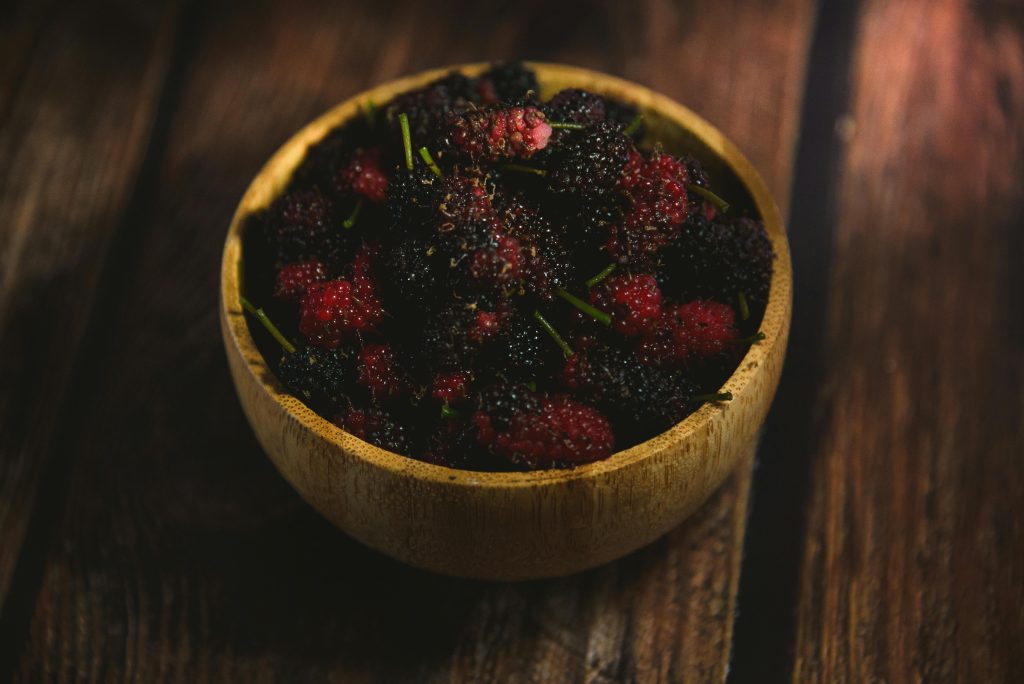
Berries: Blueberries, cranberries, and mulberries can add small doses of resveratrol.
Peanuts: Boiled peanuts have slightly higher levels than roasted peanuts, though still modest in comparison to grapes.
Dark Chocolate: While not a major source of resveratrol, high-quality dark chocolate contains other beneficial polyphenols.
Japanese Knotweed Supplements: A potent option for those seeking higher concentrations.
Practical Tips for Wine Enthusiasts
For those who love wine and want to maximize the potential health perks—resveratrol included—here are a few practical tips:
Choose Red Over White: Red wines, especially those made from thick-skinned grape varieties like Cabernet Sauvignon, tend to contain higher resveratrol levels.
Look for “Reserve” or Extended Maceration Wines: Longer fermentation times and contact with grape skins can increase polyphenol content.
Moderation Is Key: The American Heart Association recommends no more than 1–2 glasses of wine per day for men and 1 glass for women. Excessive consumption negates any potential benefits.
Storage: Store wine away from light and heat to preserve its antioxidant compounds.
Pair with a Balanced Diet: The synergy of a diet rich in fruits, vegetables, and whole grains may enhance the overall health benefits of moderate wine consumption.
Summary and Future Directions
Resveratrol remains an intriguing compound for researchers, wine aficionados, and wellness enthusiasts. From its potential in supporting heart health to its putative roles in anti-aging and cancer prevention, resveratrol’s reputation is grounded in extensive—but still evolving—scientific research. The French Paradox gave it mainstream attention, and ongoing studies continue to explore how effective and practical resveratrol may be for humans in realistic dietary amounts.
Key Takeaways:
Moderate Red Wine Intake: A convenient (and enjoyable) way to consume resveratrol, though the actual dose may be lower than that used in research studies.
Supplementation: May provide higher doses of resveratrol, but questions remain about bioavailability, safety at high doses, and long-term impacts.
Balanced Lifestyle: No single compound can override an unhealthy lifestyle. Exercise, balanced nutrition, and regular medical check-ups should accompany any focus on resveratrol.
Ongoing Research: The scientific community continues to explore resveratrol’s impact on various diseases, absorption mechanisms, and the genetic factors that influence its effectiveness.
Explore More Wine Terms
Curious about more wine terms and insights? Visit our Wine Wiki section to explore basic and advanced wine terms for expert definitions and tips. Whether you’re looking to understand the nuances of vinification, the difference between varietals, or the science of wine aging, our Wine Wiki is here to guide you through every pour.
Always drink responsibly—and enjoy the multifaceted world of resveratrol!
Disclaimer: The content provided is for informational purposes only and does not constitute medical or professional advice. Always consult a healthcare professional before making any changes to your diet, supplement routine, or lifestyle.
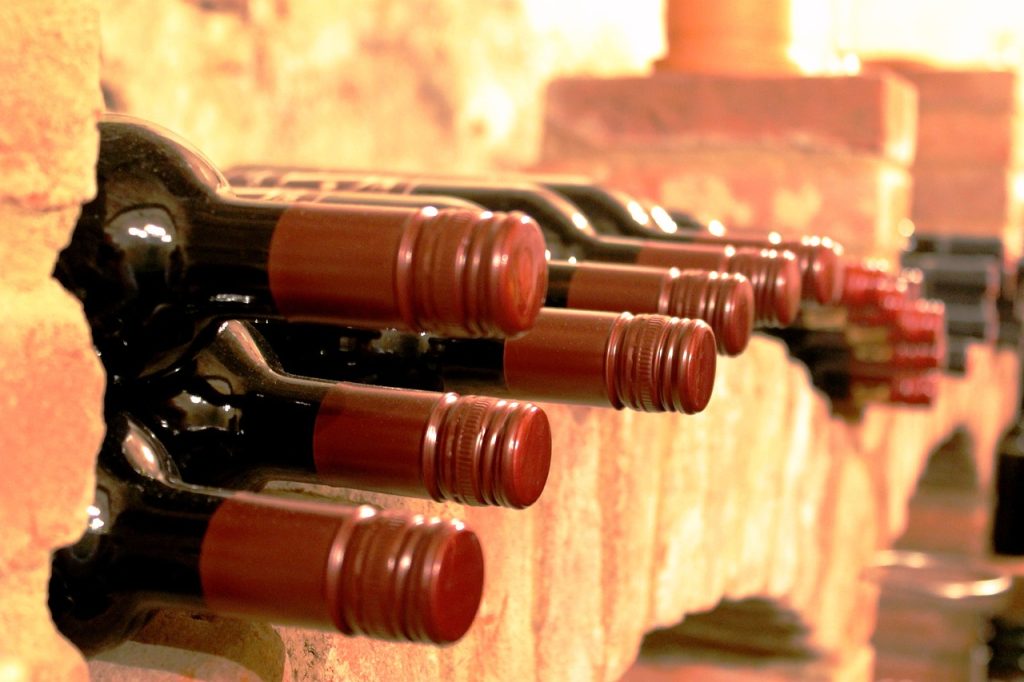
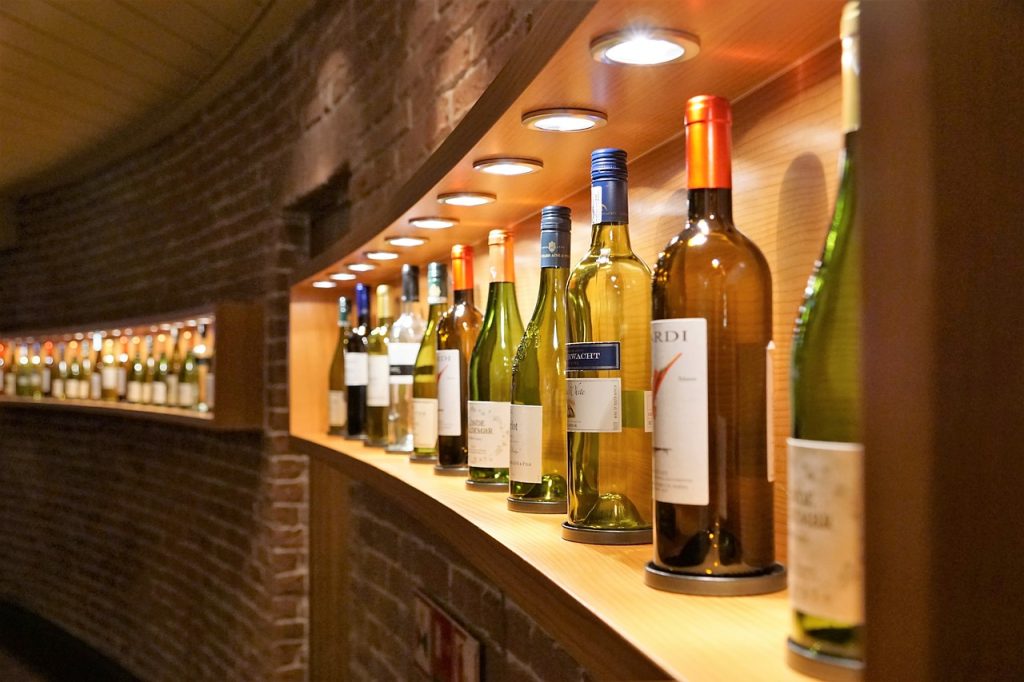
So you’ve finally decided to take your love for wine to the next level. The idea of a cozy wine cellar tucked away in your home sounds perfect, doesn’t it? But wait, as you start planning, a question bubbles up like a freshly opened bottle of Champagne: “Do I need plumbing and electricity in my wine cellar?” Let’s Uncork the Truth!
The Romantic Notion of the Wine Cellar
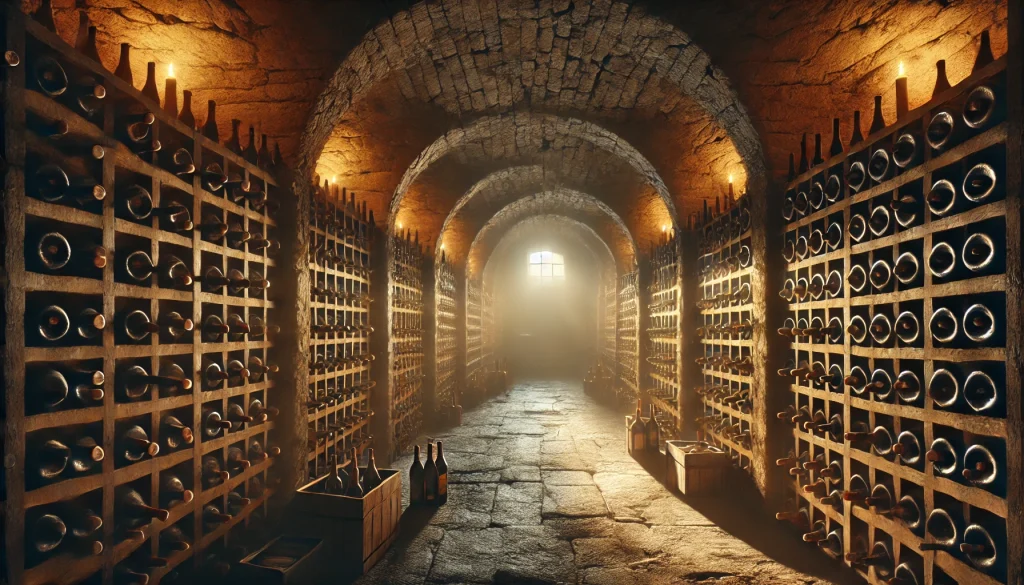
Picture this: a rustic, candle-lit room filled with rows of dusty bottles, each holding a story waiting to be told. The air is cool, the ambiance is perfect, and there’s not a wire or pipe in sight. It’s the kind of place where you’d expect to find a secret stash of vintage Bordeaux. Maybe you’ve seen such cellars in movies or old European estates, and you’re thinking, “That’s what I want!”
But let’s get real. While the romantic idea of a wine cellar without modern amenities is charming, it might not be the most practical setup for storing your precious collection. Unless you have a naturally occurring cave beneath your house (lucky you if that’s the case!), modern conveniences can make a world of difference.
Why Temperature Matters More Than You Think
Wine is a bit like Goldilocks—it doesn’t like it too hot or too cold; it wants it just right. The ideal temperature for storing wine is between 50°F and 59°F (10°C to 15°C). Temperatures outside this range can spoil the wine or age it too quickly. Imagine opening a prized bottle only to find it tastes like vinegar because it overheated during a summer heatwave. Heartbreaking, right?
Unless you live in a castle with naturally cool underground chambers, chances are your basement doesn’t maintain this perfect temperature year-round. That’s where electricity comes into play.
Enter the Cooling System
Installing a cooling system in your wine cellar is like giving it a climate-controlled hug. It keeps the temperature steady, ensuring your wine ages gracefully. These systems run on electricity, so unless you’re planning to fan your cellar manually (not recommended), you’ll need some wiring done.
There are various types of cooling systems, from self-contained units to split systems. The choice depends on the size of your cellar and your budget. Some even come with smart features, allowing you to monitor and adjust the temperature from your smartphone. Talk about modern luxury!
Humidity: The Unsung Hero of Wine Storage
While temperature often steals the spotlight, humidity is the backstage crew making sure everything runs smoothly. Ideal humidity levels for wine storage hover around 60% to 70%. Too dry, and the corks can shrink, letting air sneak into the bottle. Too humid, and you might find mold becoming an uninvited guest.
Humidifiers and Dehumidifiers
To keep humidity levels in check, you might need a humidifier or dehumidifier, both of which sip on electricity like you sip on wine. These devices ensure that your corks stay plump and your labels don’t turn into soggy messes.
Some advanced systems can regulate both temperature and humidity, giving you a one-stop solution. Remember, consistency is key. Fluctuations in humidity can be just as damaging as the wrong levels.
Let There Be Light (But Not Too Much)
Lighting in a wine cellar is a bit of a paradox. You need enough light to see what you’re doing, but not so much that it harms the wine. Ultraviolet (UV) light can degrade wine over time, so natural sunlight is a no-go.
The Right Kind of Lighting
Installing low-heat, UV-free lighting is the way to go. LED lights are a popular choice—they’re energy-efficient and don’t emit UV rays. You can get creative here. Consider installing motion-sensor lights that turn on when you enter, adding a touch of drama. Maybe even add some accent lighting to highlight special bottles or features in your cellar.
But remember, all this brilliance requires electricity. And while we’re at it, think about installing dimmer switches. They give you control over the brightness, setting the perfect mood for a tasting or just a quick bottle grab.
Security and Peace of Mind
If your wine collection is worth more than your car (or even if it’s not), you might want to consider some security measures. After all, you wouldn’t want someone pilfering your prized 1982 Château Lafite Rothschild, would you?
Alarms and Monitoring Systems
From motion detectors to surveillance cameras, modern security systems can help protect your investment. Some even offer environmental monitoring, sending alerts to your phone if the temperature or humidity strays from the ideal range. These gadgets need electricity and sometimes a Wi-Fi connection.
Think of it as hiring a 24/7 security guard who also doubles as an environmental scientist. Plus, with smart home integration, you can keep an eye on your cellar even when you’re halfway around the world. Peace of mind, bottled and delivered.
Plumbing: Not Just for Bathrooms Anymore
At this point, you might be thinking, “Okay, electricity makes sense, but why would I need plumbing in my wine cellar?” Great question!
The Case for Plumbing
Humidification Systems: Some advanced humidifiers connect directly to a water supply, so you don’t have to refill them manually. It’s like having an automatic watering system for your wine. No more lugging buckets of water down to the cellar.
Cleaning and Maintenance: Spills happen. Maybe you got a little too enthusiastic with the corkscrew, or perhaps a bottle slipped from your grasp. Having a sink nearby makes cleanup a breeze. Plus, if you host tastings in your cellar, a sink is handy for washing glasses and decanters. It also saves you trips upstairs, keeping the party (and the wine) flowing.
Drainage Solutions: If your cellar is below ground level, you might face issues with water seepage or condensation. Proper drainage can prevent these problems, and plumbing plays a key role here. Installing a sump pump can protect your cellar from flooding, and floor drains can handle any unexpected water.
The Art of the Passive Wine Cellar
Now, if you’re a purist or just love the challenge, you might be considering a passive wine cellar. These cellars rely on natural conditions to maintain temperature and humidity. It’s old-school cool, literally.
The Pros and Cons
Pros:
Lower energy costs since there’s no need for cooling systems.
Authentic feel and ambiance.
Environmentally friendly due to reduced energy consumption.
Cons:
Hard to control environmental factors.
Risk of fluctuating temperatures and humidity.
Not suitable in all climates.
Requires meticulous planning and insulation.
Building a successful passive cellar is like trying to age wine in a barrel—you need the right conditions, and sometimes, you just have to let nature take its course. Unless you live in an area with the perfect natural conditions, a passive cellar can be a risky venture for your wine.
Tales from the Cellar: What Could Go Wrong?
Let me share a story about a friend named Tom. Tom loved wine but thought he could save some bucks by skimping on the cellar’s climate control. He built a beautiful cellar, sans electricity and plumbing, relying on the naturally cool basement.
All was well until summer hit. A heatwave rolled in, and temperatures soared. His basement couldn’t keep up, and the temperature in the cellar spiked. When he opened a bottle of his favorite Pinot Noir, it tasted off. A quick check revealed that several bottles had suffered heat damage. Ouch!
On the flip side, Sarah invested in a climate-controlled cellar with all the trimmings—cooling system, humidifier, the works. She even installed a small sink for convenience. Years later, her collection has not only grown but also aged beautifully. Every bottle she opens is a testament to proper storage.
Costs and Practicality: The Nitty-Gritty
Let’s talk dollars and cents (or euros and cents, if you prefer). Installing electricity and plumbing systems in your wine cellar will increase the initial cost of your wine cellar. But consider this an investment in the longevity of your collection.
What’s at Stake?
Wine Quality: Poor storage conditions can ruin wine, turning a $100 bottle into vinegar.
Resale Value: If you ever plan to sell your collection, proper storage conditions are a must. Collectors and auction houses will inquire about how the wine was stored.
Personal Enjoyment: Let’s not forget the joy of opening a well-aged bottle that has been cared for properly. It’s like reuniting with an old friend who hasn’t aged a day.
Budgeting Tips
Prioritize: If budget is a concern, prioritize the essentials. Temperature control should be at the top of the list.
DIY vs. Professional Installation: While DIY can save money, some aspects like electrical wiring and plumbing are best left to professionals for safety and compliance reasons.
Energy Efficiency: Look for energy-efficient appliances and systems. They might cost more upfront but save you money in the long run.
Navigating the Red Tape
Before you start drilling holes and laying pipes, check your local building codes. Some areas require permits for electrical and plumbing work, especially in residential properties.
Hiring licensed professionals not only ensures the work is up to code but also adds an extra layer of safety. Plus, if you ever sell your home, having proper permits can prevent headaches during the inspection process.
Tips for Making the Right Decision
Assess Your Collection: If you have a small collection of wines you plan to drink soon, you might not need all the bells and whistles. For larger, long-term collections, proper storage is crucial.
Consult Professionals: Talk to a wine cellar specialist. They’ll help you understand what’s needed for your specific situation. They can perform a site assessment and recommend the best options.
Plan for the Future: Your wine hobby might grow (it’s a slippery slope!). Consider building a cellar that can accommodate a growing collection. It’s easier to build bigger now than to expand later.
Energy Efficiency: If you’re concerned about energy consumption, look into energy-efficient cooling and lighting options. Some systems even use geothermal energy.
Aesthetics vs. Functionality: While it’s tempting to focus on the look of the cellar, don’t sacrifice function for form. A stunning cellar that’s too warm is just an expensive decoration.
Insurance: Consider insuring your wine collection. Some policies require proof of proper storage conditions.
Bringing It All Together
So, do you need plumbing and electricity in your wine cellar? While it’s possible to create a cellar without them, incorporating these utilities offers significant benefits:
Consistent Temperature and Humidity: Protect your wine from spoilage.
Convenience: Make maintenance and cleaning easier.
Security: Safeguard your investment.
Enjoyment: Enhance the overall experience of your wine cellar.
The Joy of a Well-Equipped Cellar
Imagine inviting friends over for a wine tasting. You descend into your cellar, the lights softly illuminating the rows of bottles. The temperature is perfect, the air just humid enough. You select a bottle, perhaps a special vintage saved for this occasion.
Back upstairs, you pour the wine, and the aroma fills the room. Your guests are impressed—not just by the wine but by the care you’ve put into storing it. The wine tastes exquisite, each sip a testament to your efforts.
Final Thoughts
Building a wine cellar is like crafting a fine wine—it requires the right ingredients, attention to detail, and a bit of love. So, are plumbing and electricity really needed in a wine cellar? While the initial costs and effort might seem daunting, the payoff is well worth it. After all, what’s better than enjoying a perfectly aged wine from your own collection?
So go ahead, adopt modern amenities, and let your wine cellar be a blend of old-world charm and new-world convenience. Your future self, holding a glass of impeccably stored wine, will thank you.
Got thoughts or experiences about building a wine cellar? Share them in the comments below. Let’s keep the conversation flowing—just like a good bottle of wine!
A punt is the indentation found at the bottom of many wine bottles, particularly in sparkling wines and some higher-quality still wines. The reason for its inclusion is a combination of both tradition and function. Historically, glassblowers would create punts to help the bottle stand upright, since hand-blown bottles often had uneven bases. Today, it remains a feature in many wine bottles, particularly those used for Champagne and other sparkling wines.
From a functional standpoint, the punt strengthens the bottle. Sparkling wines require thicker bottles to withstand the high internal pressure created by the carbon dioxide, and the punt helps distribute that pressure evenly across the bottle. Additionally, the punt allows easier handling of the bottle for pouring, offering a place to rest your thumb while holding the bottle at an angle.
Some wine enthusiasts also associate a deeper punt with higher-quality wine, although this isn’t a strict rule. The design and depth of it vary depending on the wine producer’s preferences, and not all high-quality wines have a deep punt. The aesthetic of the bottle also plays a role in the inclusion of it, as it creates a classic, elegant look that enhances the presentation of the wine.
Curious about more wine terms and insights? Visit our Wine Wiki section and explore the basic wine terms for expert definitions and tips!
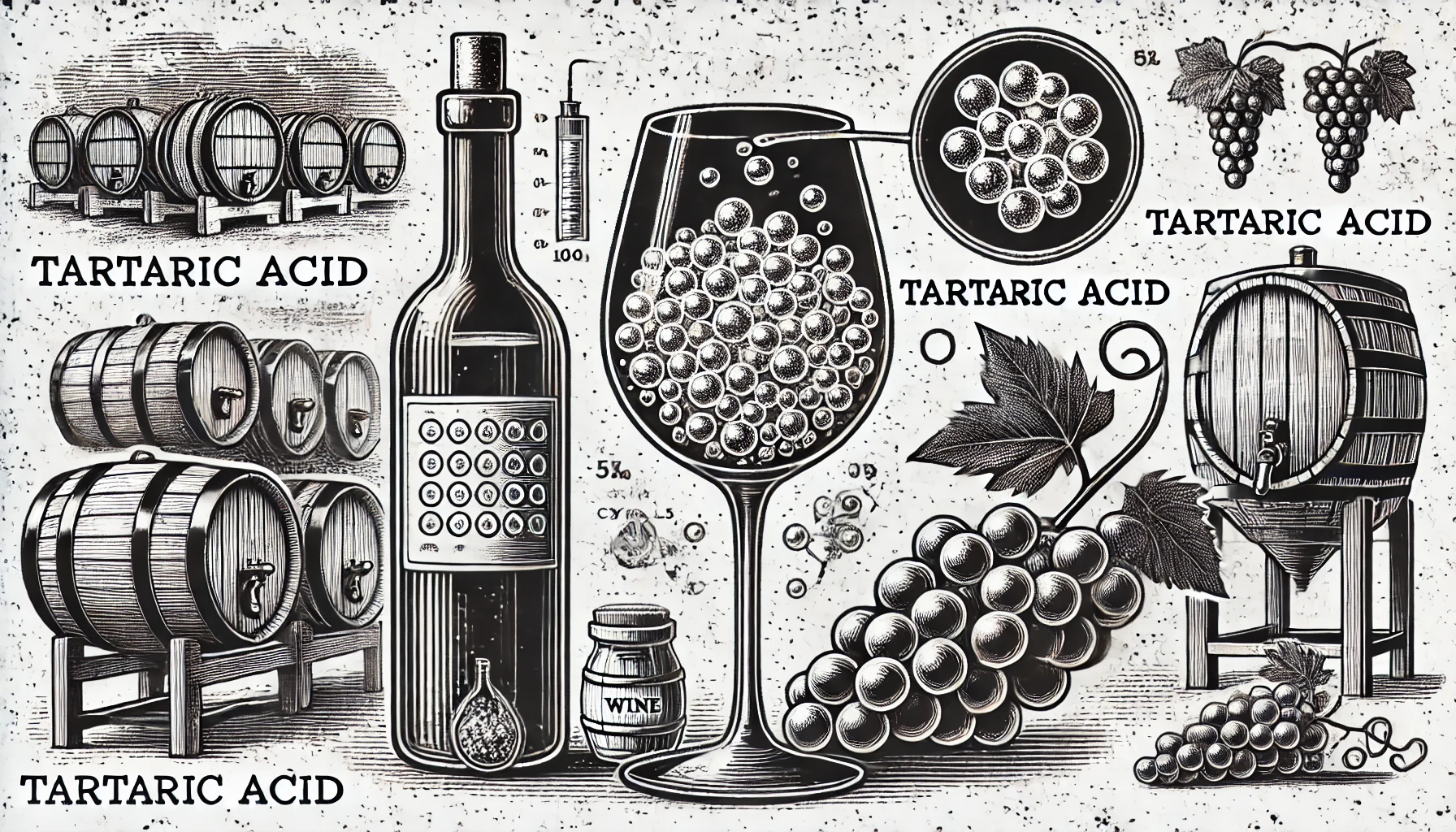
Tartaric Acid is the most important acid found in grapes and is responsible for giving wine its characteristic tartness. It plays a crucial role in balancing the flavors of wine by contributing to its overall structure, freshness, and stability. Without sufficient acidity, wine would taste flat and lack vibrancy.
Tartaric acid is unique to grapes, and while other fruits contain acids like citric or malic acid, tartaric acid is the dominant acid in winemaking. It helps preserve the wine during aging by maintaining a stable pH level, which is crucial for preventing spoilage and encouraging proper fermentation. It also interacts with other acids in the wine, enhancing the wine’s aroma and flavor while providing a crisp, clean finish.
During the winemaking process, some of it may crystallize and form small, harmless crystals known as “wine diamonds” or tartrates. These can often be seen on the cork or at the bottom of the bottle, especially when the wine has been chilled. These crystals are natural and don’t affect the quality of the wine, though some winemakers use cold stabilization techniques to remove excess tartaric acid before bottling.
Tartaric acid plays a key role in balancing the sugar levels in both red and white wines, helping to create a refreshing mouthfeel and lively taste. The presence and management of it influence the style of wine, from zesty, high-acid whites to rich, well-balanced reds.
Curious about more wine terms and insights? Visit our Wine Wiki section and explore the basic wine terms for expert definitions and tips!
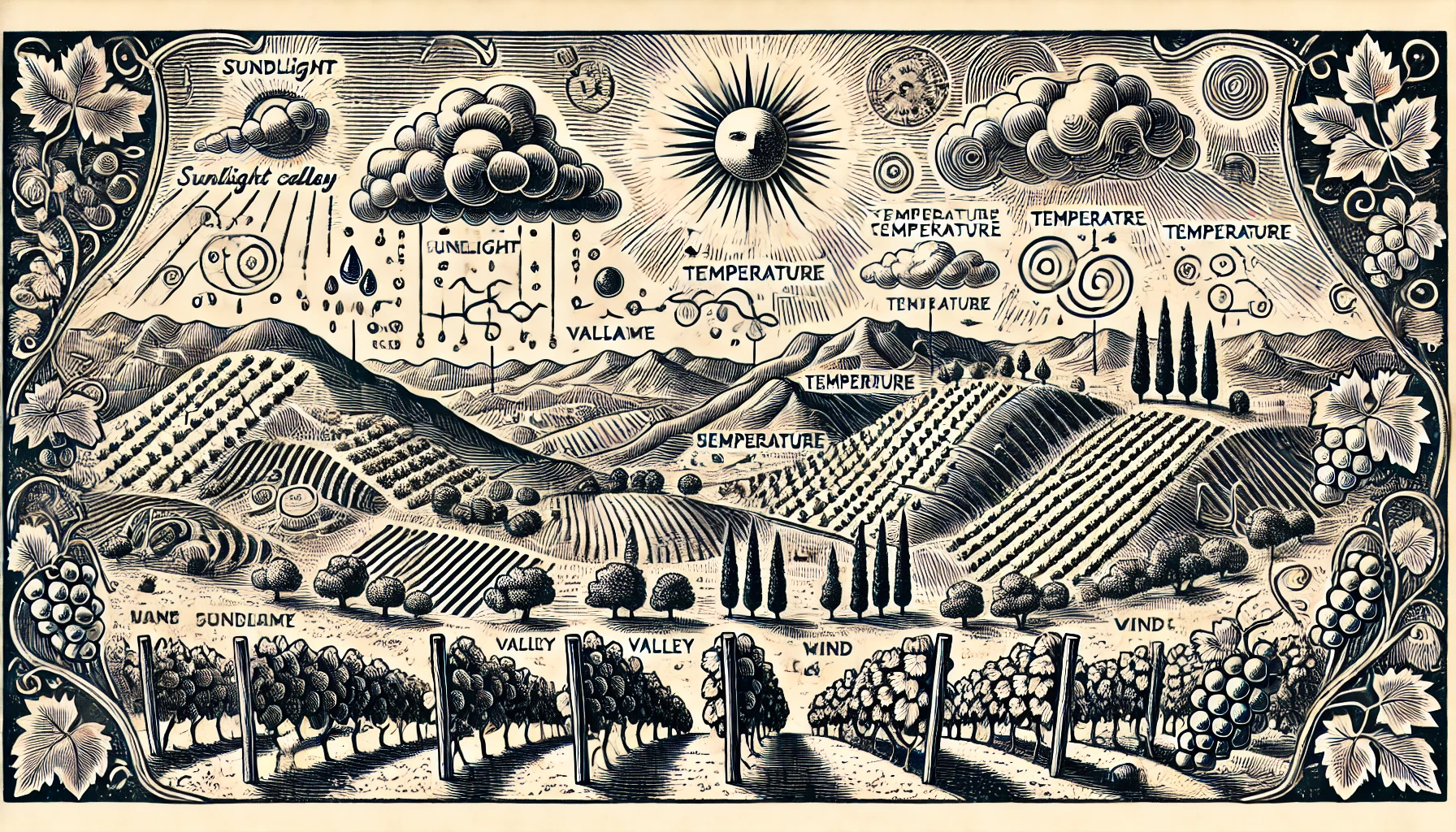
A microclimate refers to the unique climate of a specific area within a vineyard, which can significantly differ from the larger regional climate. Factors like soil composition, elevation, proximity to water, wind patterns, and the slope of the land all influence a vineyard’s microclimate. These microclimatic conditions can have a profound impact on grape quality, affecting ripening, acidity, and overall flavor.
In viticulture, microclimates are extremely important because even small variations in temperature, sunlight exposure, and humidity can change the way grapes grow and develop. For example, a vineyard located on a hillside might receive more sunlight and better drainage compared to a neighboring vineyard in a valley, which could have cooler temperatures and more moisture. These differences translate into distinct flavors, aromas, and textures in the resulting wines.
Winemakers often tailor their techniques to take advantage of a vineyard’s microclimate, choosing grape varieties that thrive under specific conditions. A vineyard with a warm microclimate might be perfect for growing Cabernet Sauvignon, while a cooler microclimate could be ideal for Chardonnay or Pinot Noir. Microclimates contribute to the expression of terroir, the sense of place that makes each wine unique.
Curious about more wine terms and insights? Visit our Wine Wiki section and explore the basic wine terms for expert definitions and tips!
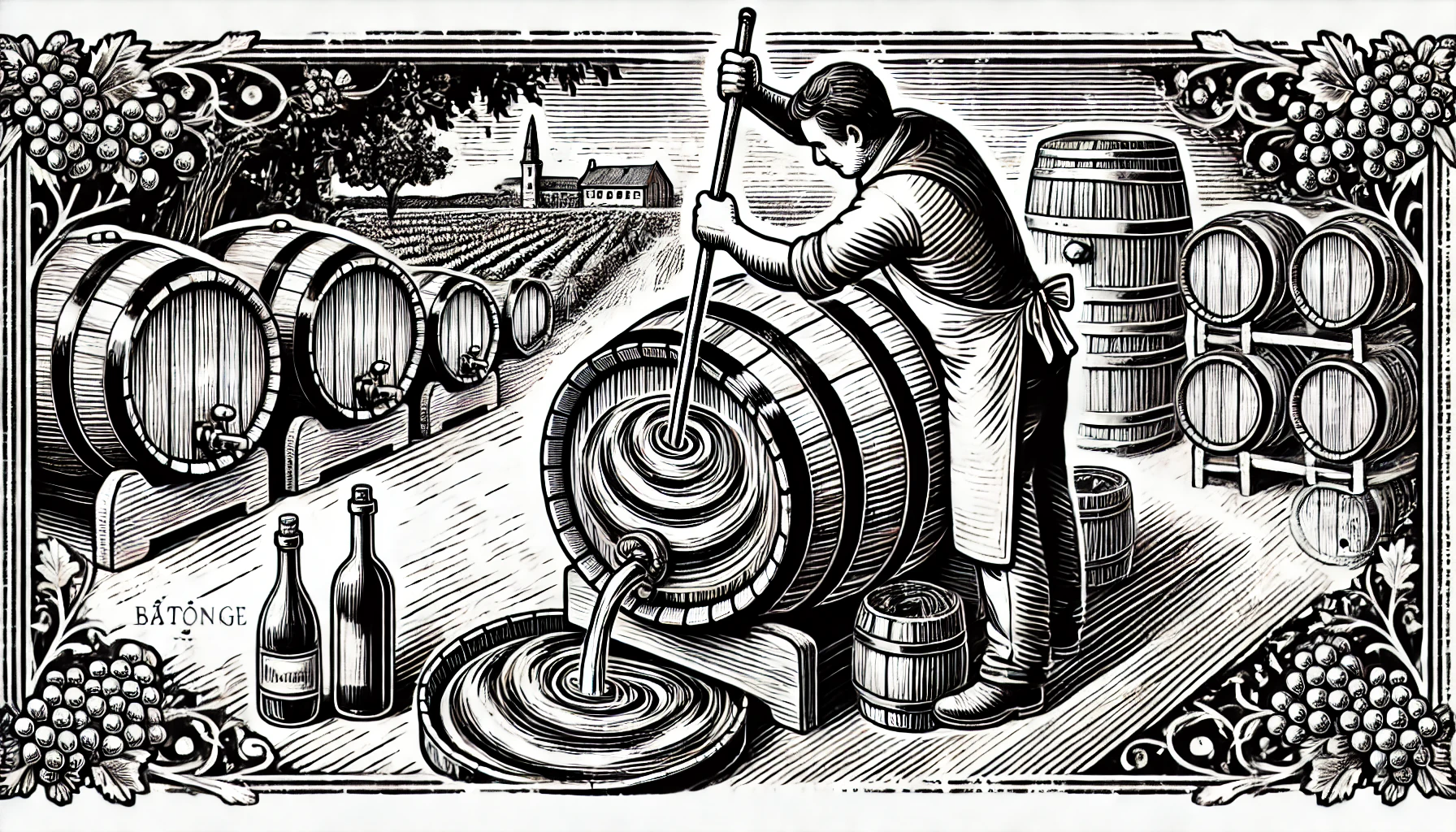
Bâtonnage is a winemaking technique that involves stirring the lees (the dead yeast cells and grape solids) that settle at the bottom of a wine barrel during the aging process. This practice is commonly used in white wines, particularly Chardonnay, to enhance the wine’s texture, body, and complexity. By regularly stirring the lees, winemakers allow these particles to integrate into the wine, imparting creamy, nutty, and toasty flavors.
The process of bâtonnage can significantly influence the mouthfeel of the wine, making it richer and fuller. It also adds a layer of protection against oxidation, which helps preserve the wine’s freshness during aging. Winemakers typically use a special stirring tool to perform bâtonnage, gently mixing the wine and lees in barrels made from materials like oak or stainless steel.
Bâtonnage is usually done over the course of several months, with winemakers stirring the lees weekly or monthly, depending on the desired outcome. This technique is most common in Burgundy, where it contributes to the signature richness of many French Chardonnays. However, it is also used in other regions to create fuller-bodied, more complex white wines.
While bâtonnage can add desirable flavors and textures, it requires careful timing and attention. Overdoing it can result in an overly yeasty or cloudy wine. Winemakers decide on the frequency and duration of bâtonnage based on the specific style they wish to create.
Curious about more wine terms and insights? Visit our Wine Wiki section and explore the basic wine terms for expert definitions and tips!
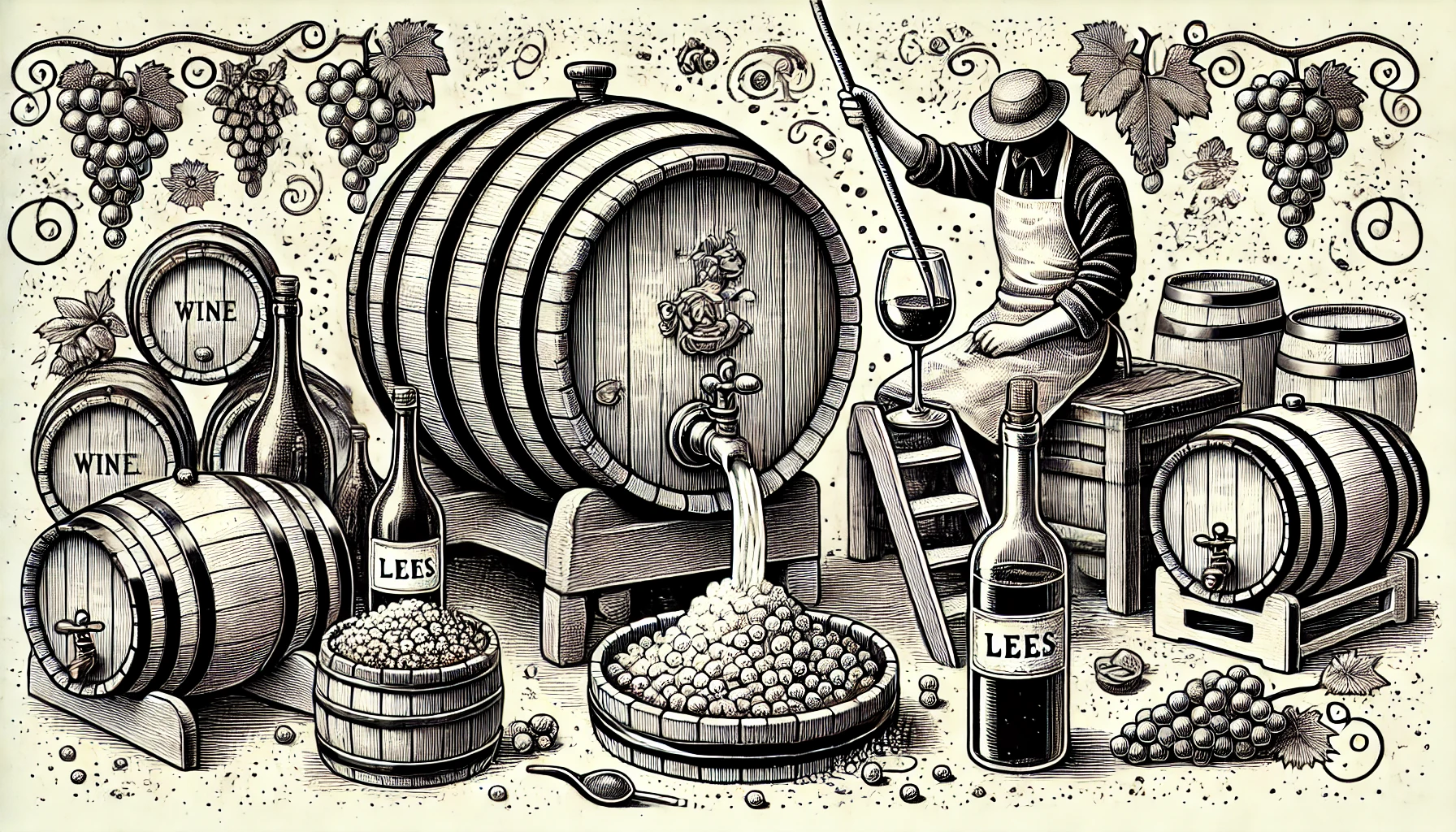
Lees are the dead yeast cells and grape solids that remain after fermentation. During the winemaking process, yeast consumes the sugars in the grape juice and converts them into alcohol, eventually dying and settling at the bottom of the fermentation vessel. These dead yeast cells, along with other grape remnants, form what’s known as the lees.
Winemakers can choose to leave the wine in contact with the dead yeast cells, a technique called sur lie aging, or they can filter them out. Leaving wine on the lees can add complexity, texture, and unique flavors to the final product. The process often imparts a creamy or nutty character to the wine, along with a richer mouthfeel. This technique is commonly used in the production of sparkling wines, Chardonnay, and certain types of white and red wines.
Lees aging also contributes to a wine’s longevity, as the lees can help protect the wine from oxidation during the aging process. However, leaving the wine in contact with them for too long can result in unwanted flavors like bitterness or an overly yeasty character.
Winemakers regularly stir the lees during aging, a practice known as bâtonnage, which helps distribute them and integrate their flavors into the wine more evenly. The decision to age wine on the lees depends on the style of wine the winemaker wants to create, as it significantly affects both flavor and texture.
Curious about more wine terms and insights? Visit our Wine Wiki section and explore the basic wine terms for expert definitions and tips!
Late Harvest refers to wines made from grapes that are left on the vine longer than usual, typically well past the normal harvest time. This extra time allows the grapes to become more concentrated, increasing their sugar levels. As a result, late-harvest wines often have a rich, sweet profile, making them popular choices for dessert wines.
During the extended ripening period, grapes naturally lose water content, which intensifies their sugars, flavors, and acidity. Late harvest grapes may also develop noble rot (Botrytis cinerea), a fungus that further concentrates the sugars and adds complexity to the wine. Winemakers can use this process to produce wines with opulent aromas of honey, dried fruits, and floral notes.
Late harvest wines can be made from a variety of grapes, including Riesling, Chenin Blanc, and Gewürztraminer. These wines pair well with rich desserts, cheeses, or even spicy dishes, offering a delicious contrast between sweetness and savory or spicy flavors. They are known for their deep golden color and luscious texture, often providing an indulgent, syrupy mouthfeel.
The decision to make a late-harvest wine requires careful timing, as the grapes must remain healthy enough to achieve the desired sugar levels without rotting or spoiling entirely. The winemaker also needs to closely monitor the weather, as too much rain or humidity late in the season could ruin the crop.
Curious about more wine terms and insights? Visit our Wine Wiki section and explore the basic wine terms for expert definitions and tips!
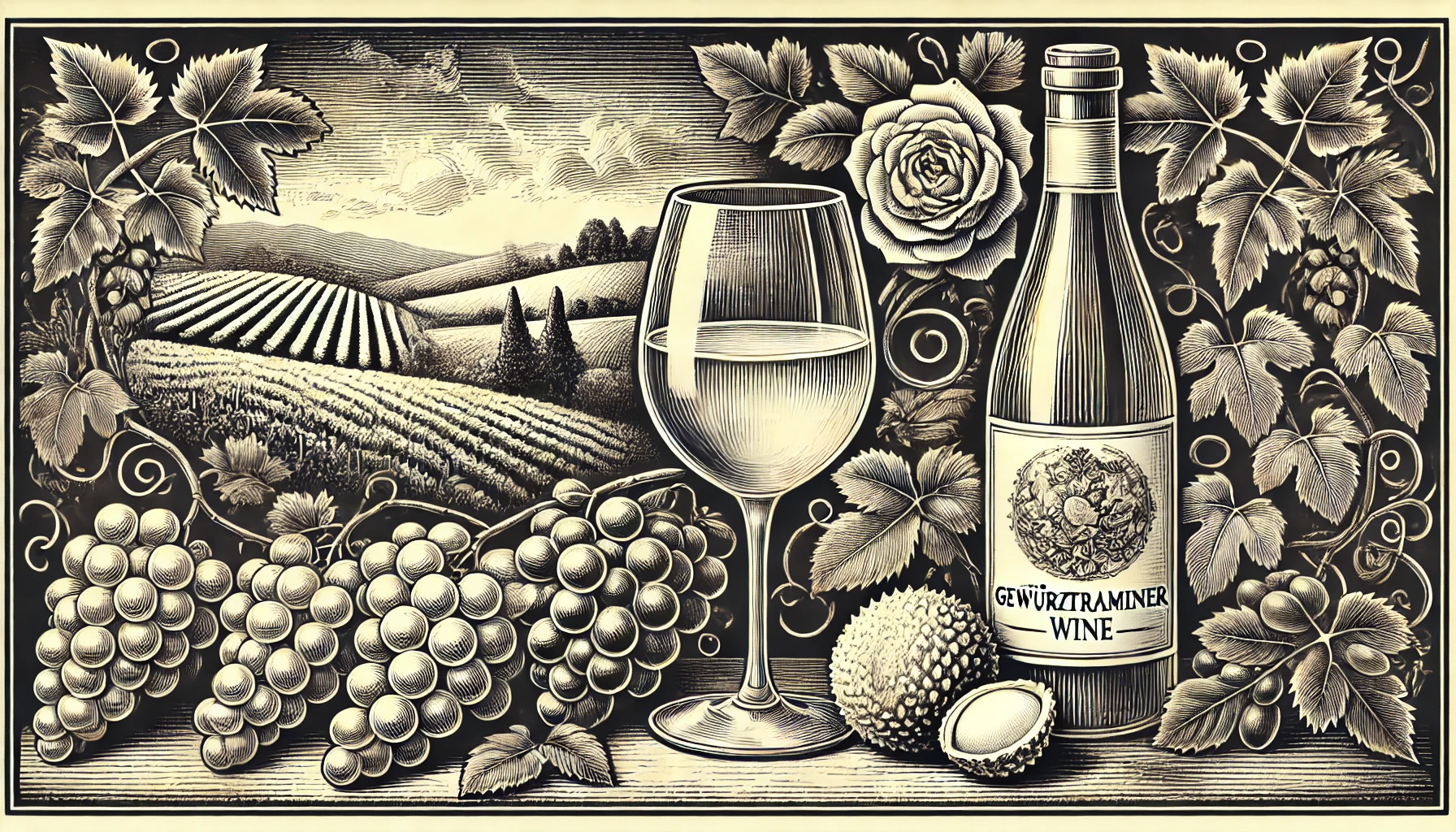
Gewürztraminer is a white grape variety known for producing intensely aromatic and flavorful wines. Originating from the Alsace region of France, Gewürztraminer is celebrated for its exotic, spicy, and floral profile, often featuring notes of lychee, rose petals, and tropical fruits like pineapple and mango. The word “Gewürz” in German translates to “spice,” reflecting the wine’s distinctively spicy character.
Gewürztraminer thrives in cooler climates, where it can develop high sugar levels while maintaining its characteristic aromatic intensity. This grape variety produces wines with a rich, golden hue and can range from dry to sweet, though its most popular expressions are often semi-sweet or off-dry. Gewürztraminer wines typically have a lower acidity compared to other white wines, giving them a smooth, lush mouthfeel.
Winemakers sometimes choose to leave residual sugar in Gewürztraminer wines, balancing the high alcohol content and amplifying the wine’s fragrant fruit and floral notes. Gewürztraminer pairs exceptionally well with spicy dishes, especially from Asian cuisines, as the wine’s slight sweetness and bold flavors complement the heat and complexity of the food.
This varietal also has excellent aging potential, and sweeter versions, such as Vendange Tardive (late harvest) or Sélection de Grains Nobles (botrytized wines), can develop into complex, honeyed wines over time. While it may not be as widely planted as Chardonnay or Sauvignon Blanc, Gewürztraminer remains a favorite among those who enjoy aromatic and richly flavored white wines.
Curious about more wine terms and insights? Visit our Wine Wiki section and explore the basic wine terms for expert definitions and tips!