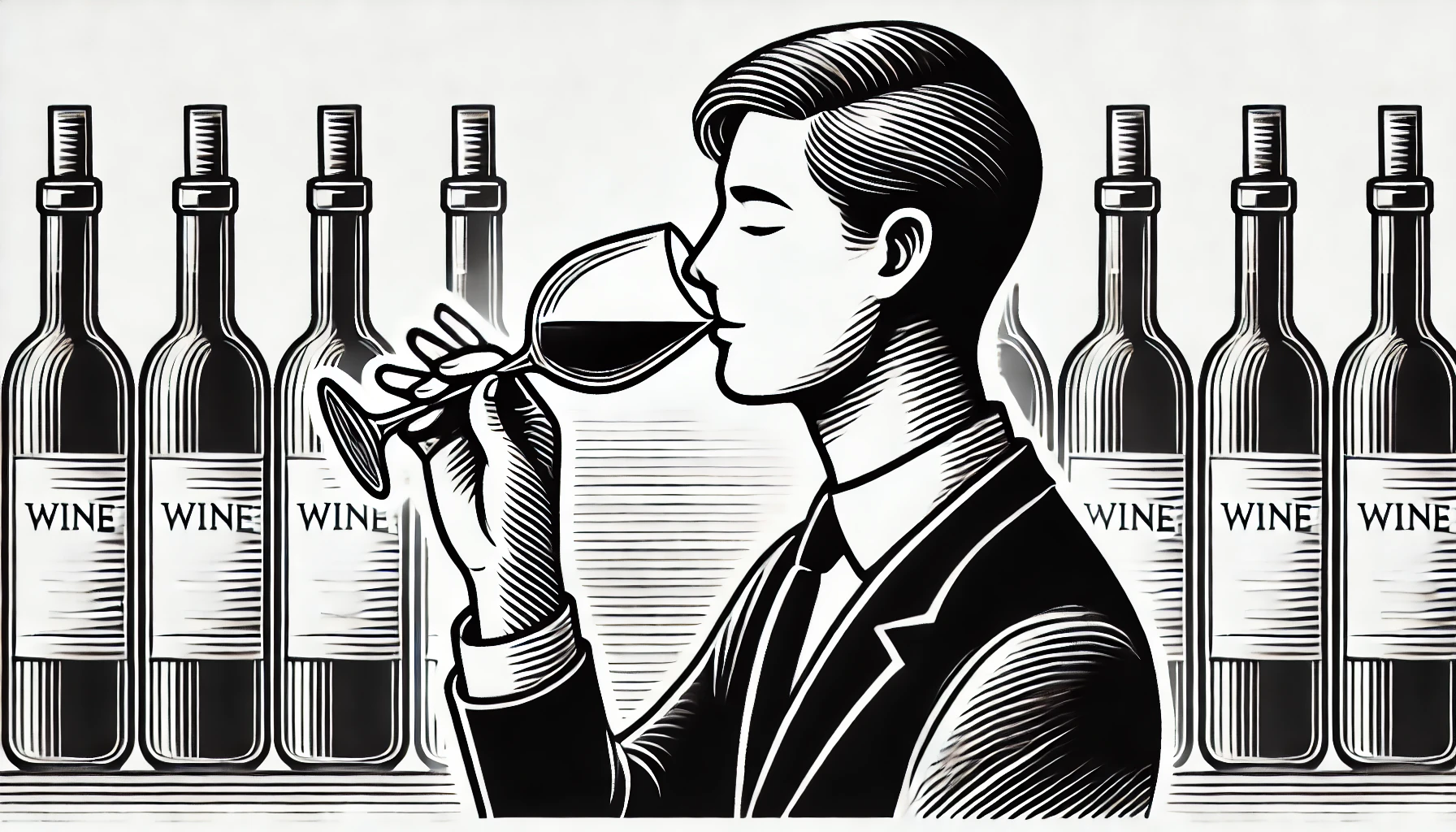
In wine terminology, body refers to the weight and fullness of the wine in your mouth, often described as light-bodied, medium-bodied, or full-bodied. It’s a critical characteristic in assessing the overall drinking experience, as body directly relates to the wine’s texture and how it feels on your palate.
A light-bodied wine, like a Pinot Grigio or some Beaujolais, feels delicate and refreshing. These wines typically have lower alcohol content and are high in acidity, making them feel lighter. On the other hand, full-bodied wines like Cabernet Sauvignon or Syrah are rich and powerful, often higher in alcohol and tannins, giving them a heavier, more substantial mouthfeel.
Several factors contribute to a wine’s body. Alcohol is one of the primary influences, as wines with higher alcohol levels feel denser and more robust. Tannins, which are more present in red wines, can also add to a wine’s body by providing structure and complexity. Residual sugar (RS) can affect body too; wines with higher RS tend to feel fuller and rounder.
Body also plays an important role in food pairing. Lighter-bodied wines typically pair well with lighter dishes like salads, seafood, and poultry, while full-bodied wines can stand up to richer, heavier meals like steak or lamb.
When describing wine, body provides a useful shorthand for understanding how the wine will feel and what types of food it complements best.
Curious about more wine terms and insights? Visit our Wine Wiki section and explore the basic wine terms for expert definitions and tips!
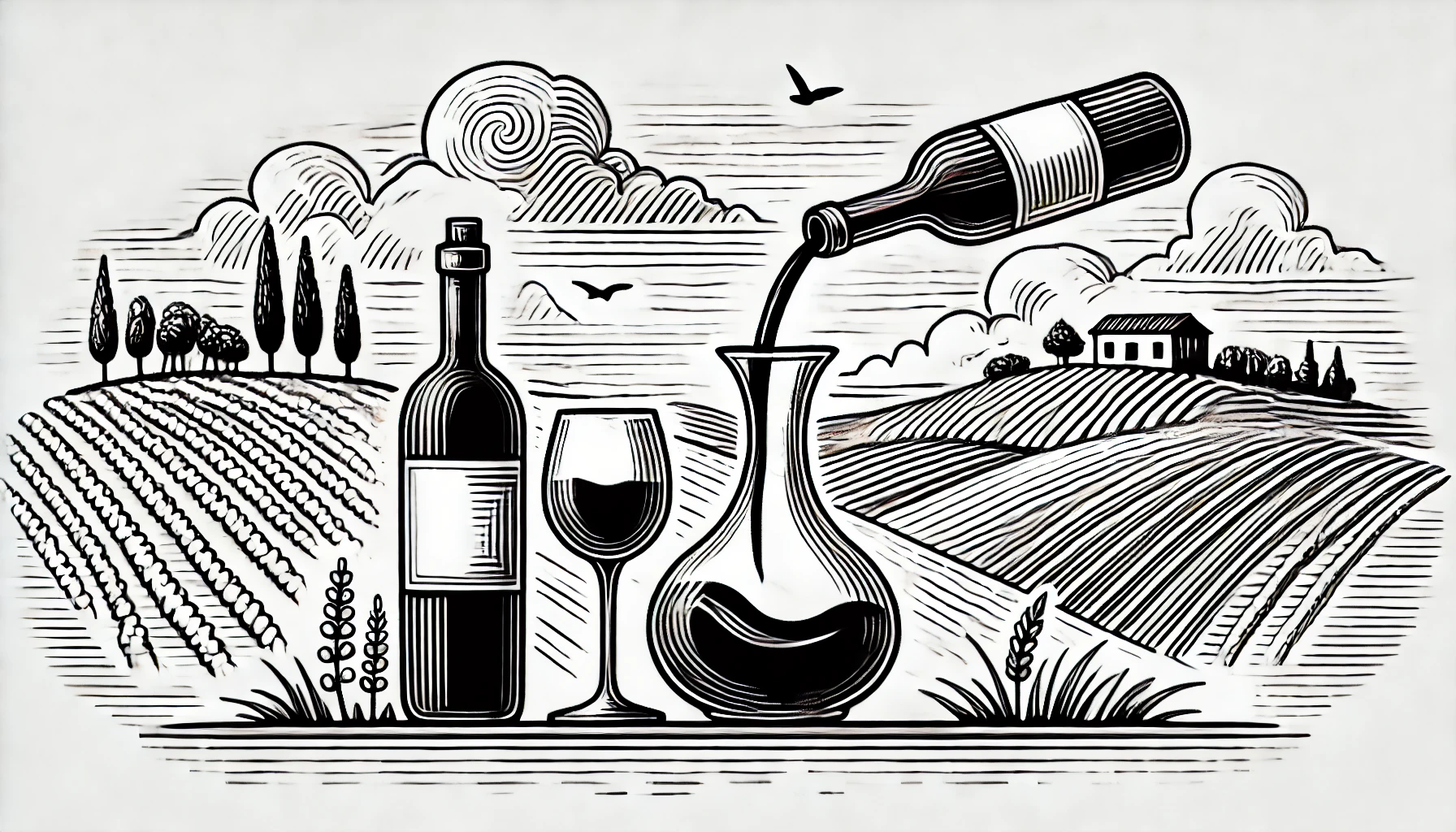
Decanting is the process of carefully pouring wine from its bottle into another vessel, usually a decanter, to serve two main purposes: separating the wine from any sediment and allowing the wine to aerate. Sediment, which can form in older red wines and some vintage ports, is a natural byproduct of the aging process and can give the wine a gritty texture if left in the glass. Decanting removes the sediment, leaving the wine clearer and smoother to drink.
Aeration, or allowing the wine to “breathe,” is another crucial reason for decanting. Exposing wine to air helps soften its flavors, especially in younger red wines with high tannins or more structured whites like Chardonnay. The oxygen helps to release aromatic compounds, enhancing the wine’s bouquet and flavor profile.
While most red wines benefit from decanting, younger wines usually need more time to open up, while older wines might only need a short period to breathe before they lose their delicate aromas. White wines, on the other hand, rarely need decanting unless they’re particularly complex or structured.
The process is simple: carefully pour the wine into a decanter, tilting the bottle to prevent sediment from pouring out. Some enthusiasts also use a wine aerator to speed up the process. Decanting not only improves the taste but can also add a touch of elegance to serving wine, making it a must for formal wine occasions.
Curious about more wine terms and insights? Visit our Wine Wiki section and explore the basic wine terms for expert definitions and tips!
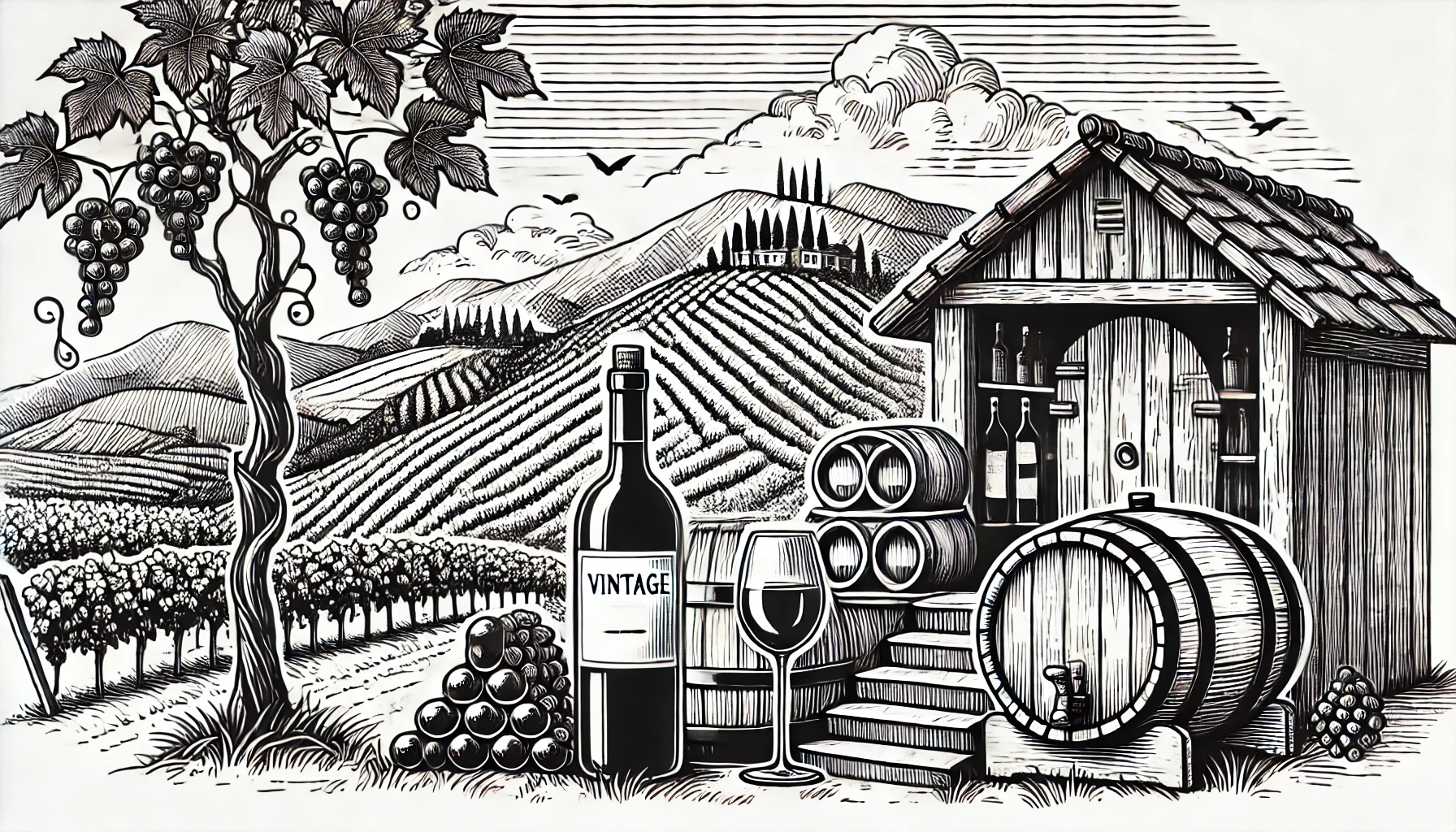
In the world of wine, the term vintage refers to the year in which the grapes were harvested. It’s a key factor in understanding the character and quality of a wine, as the environmental conditions of each year can significantly affect the flavor profile of the wine.
A vintage wine is one that is made from grapes harvested in a specific year, and it will typically have that year indicated on the label. This is especially important in regions with variable climates, like Bordeaux or Burgundy, where weather conditions can dramatically influence the quality of the grapes.
For example, a warm, sunny growing season may produce ripe, rich wines, while a cooler, wetter season may yield wines with higher acidity and less fruit-forward characteristics. Winemakers often adapt their techniques based on the vintage to bring out the best qualities in the wine.
Some wines, especially those meant for aging, are more influenced by the vintage. Collectors and enthusiasts often track the best vintages from renowned wine regions, as certain years are known for producing exceptional wines. Conversely, wines labeled as “non-vintage” (NV) are blends of grapes from multiple harvest years, designed to maintain a consistent flavor profile regardless of yearly variations.
In summary, the vintage of a wine offers insight into the environmental conditions that shaped its production, giving wine lovers a deeper understanding of what to expect from a particular bottle.
Curious about more wine terms and insights? Visit our Wine Wiki section and explore the basic wine terms for expert definitions and tips!
Australia. The land down under. Famous for kangaroos, beaches, and a little something called wine. When you think about wine, Australia might not be the first place that comes to mind, but it absolutely should be. This country is home to some of the most iconic wines on the planet, with a vibrant wine culture that has people worldwide popping corks in celebration. From bold and spicy Shiraz to crisp and refreshing Chardonnay, Australia’s wines have something for every palate. So, let’s take a flavorful journey through Australia’s most iconic wines.
Shiraz – The Superstar of Aussie Wines
Let’s start with the superstar: Shiraz. When you think of Australian wine, you think of Shiraz. It’s like the Brad Pitt of the wine world here – bold, charismatic, and universally loved. Shiraz (also known as Syrah in other parts of the world) has found its true home in Australia, particularly in regions like Barossa Valley and McLaren Vale.
Barossa Valley Shiraz is rich, full-bodied, and packed with flavor. Imagine a mix of dark fruits like blackberries and plums, spiced up with pepper and chocolate notes. It’s like a punch of deliciousness that lingers long after your first sip. This wine is a powerhouse and pairs perfectly with hearty dishes like grilled meats or a juicy steak.
McLaren Vale Shiraz, on the other hand, offers a slightly softer version of this bold wine. It’s a little more elegant and restrained, with a smoother finish. But don’t be fooled; it still packs a flavorful punch, just with a bit more finesse. And here’s the best part – it’s affordable! You don’t have to sell your house to enjoy a bottle of great Aussie Shiraz.
Chardonnay – Australia’s White Wine Wonder
Now, if Shiraz is the king, Chardonnay is the queen of Australian wines. Once upon a time, Chardonnay had a bit of a bad reputation, thanks to overly oaked, buttery versions that flooded the market. But Australian winemakers have since revived this grape and turned it into something extraordinary.
Australian Chardonnay is fresh, zesty, and bursting with citrus and stone fruit flavors. The cool-climate regions like Margaret River and Yarra Valley produce some of the best Chardonnays in the world. These wines have crisp acidity, balanced with just the right amount of oak, giving them a creamy texture without being overwhelming. It’s like biting into a juicy peach while sitting on a sunny Australian beach – refreshing, bright, and oh-so-delicious.
Margaret River Chardonnay, in particular, has a cult following. The region’s maritime climate produces wines with a unique mix of tropical fruit flavors and minerality. Yarra Valley Chardonnays are known for their elegance and balance, making them perfect for pairing with lighter dishes like seafood or a fancy salad.
Cabernet Sauvignon – The Unsung Hero
Let’s talk about the underdog of Australian wine: Cabernet Sauvignon. Often overshadowed by Shiraz, this wine doesn’t get the spotlight it deserves, but when you taste a great Aussie Cab, it’s unforgettable. Coonawarra and Margaret River are two regions that produce exceptional Cabernet Sauvignon, each with its own unique flair.
Coonawarra is famous for its “terra rossa” soil, which gives the Cabernet Sauvignon a distinct character. These wines are rich, structured, and have intense flavors of blackcurrant, mint, and eucalyptus. It’s like taking a walk through the Australian bush, with all those earthy, fresh notes coming through in every sip.
Margaret River Cabernet Sauvignon, on the other hand, is more refined and elegant. It’s got that classic blackcurrant flavor, but with added layers of cedar and tobacco, making it a perfect partner for roast lamb or even a good cheese platter. Cabernet lovers, this is your wine.
Sparkling Wine – Yes, Australia Does That Too!
Did you know Australia also makes some fantastic sparkling wines? Yep, it’s not all about Shiraz and Chardonnay here. Tasmania, with its cooler climate, has become the go-to region for top-quality Australian sparkling wines. And let me tell you, these sparklers can rival some of the best from Champagne.
Tasmanian sparkling wines are made using the traditional method, just like in Champagne, which gives them that lovely fine mousse (bubbles) and complex flavor. Expect notes of green apple, citrus, and brioche, with a refreshing acidity that makes these wines perfect for celebrations or just sipping on a sunny day.
So next time you feel like celebrating (or need a little pick-me-up), grab a bottle of Tasmanian sparkling wine. You won’t be disappointed!
Riesling – Australia’s Hidden Gem
Riesling might not be the first wine you think of when it comes to Australia, but trust me, it deserves a place in the spotlight. The Clare Valley and Eden Valley regions are known for producing some of the best Rieslings in the world, and once you try one, you’ll be hooked.
Australian Rieslings are dry, zesty, and full of citrus flavors like lime and lemon. They have a racy acidity that makes them incredibly refreshing, and they age beautifully. In fact, some of the best Aussie Rieslings can develop honeyed, toasty notes as they get older, making them even more complex and intriguing.
Clare Valley Rieslings are particularly famous for their intense lime flavor and mineral finish. It’s like drinking a glass of sunshine. Eden Valley Rieslings, on the other hand, are more floral and delicate, with a softer acidity. Both are perfect for pairing with spicy dishes like Thai or Indian food, as the wine’s acidity and citrus notes cut through the heat beautifully.
Grenache – The Rising Star
Move over, Shiraz. Grenache is stepping up as Australia’s next big thing. Long used in blends, Grenache is now getting the solo attention it deserves. McLaren Vale is the region where Grenache truly shines. The warm climate and old vines produce wines with bright red fruit flavors like raspberry and strawberry, along with hints of spice and earthiness.
Australian Grenache is often lighter than Shiraz but just as flavorful. It’s juicy, fresh, and incredibly food-friendly. Whether you’re having a BBQ or a cozy dinner, Grenache is the wine that fits every occasion. And the best part? Many of Australia’s Grenaches are made using minimal intervention, meaning they’re a pure expression of the grape and the terroir.
Semillon – The Wine Nerd’s Choice
Finally, we can’t forget about Semillon. This white grape might not have the star power of Chardonnay, but for wine enthusiasts, it’s a must-try. Hunter Valley is the heart of Semillon production in Australia, and it produces some of the most unique wines in the world.
Young Hunter Valley Semillons are crisp, light, and full of lemony goodness. But the magic happens when these wines age. Over time, they develop complex flavors of toast, honey, and nuts, while still retaining that zesty freshness. It’s like a fine piece of art – the older it gets, the more you appreciate it.
Semillon is perfect for pairing with seafood, salads, or even as an aperitif. And because it’s not as well-known as other varieties, you can often find great bottles at bargain prices.
Conclusion: Raise a Glass to Australian Wine
Australia’s wines are diverse, exciting, and full of surprises. Whether you’re a fan of bold reds, crisp whites, or refreshing bubbles, there’s an Australian wine for you. From the iconic Shiraz and Chardonnay to the lesser-known gems like Riesling and Semillon, Aussie wines offer something for every taste and occasion.
So next time you’re in the wine aisle, skip the usual suspects and reach for something Australian. Your taste buds will thank you, and who knows? You might just discover your new favorite wine.
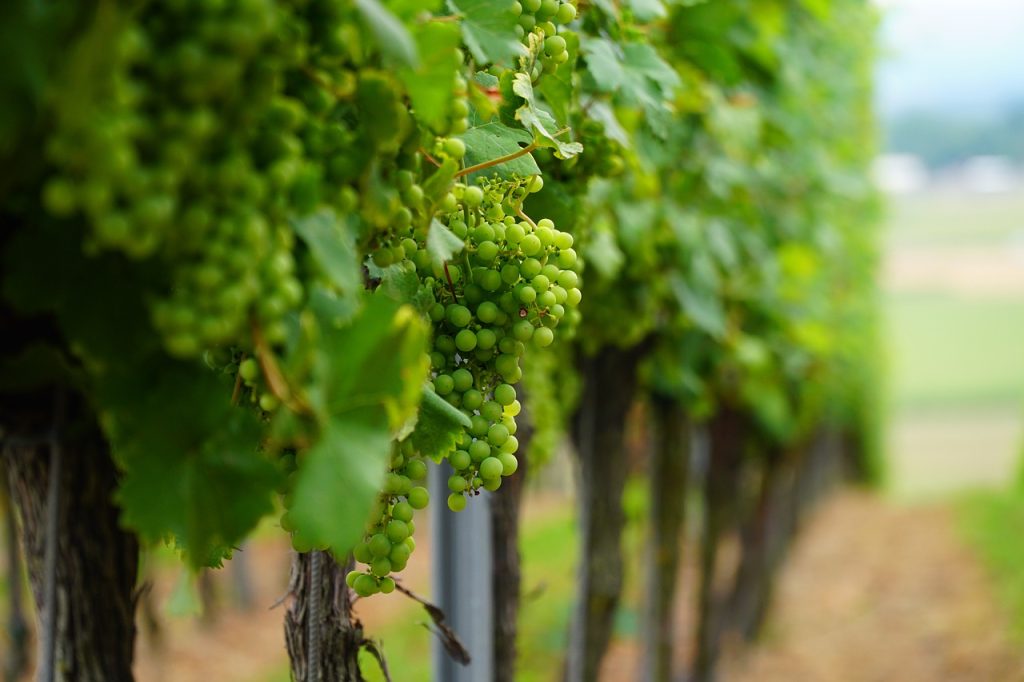
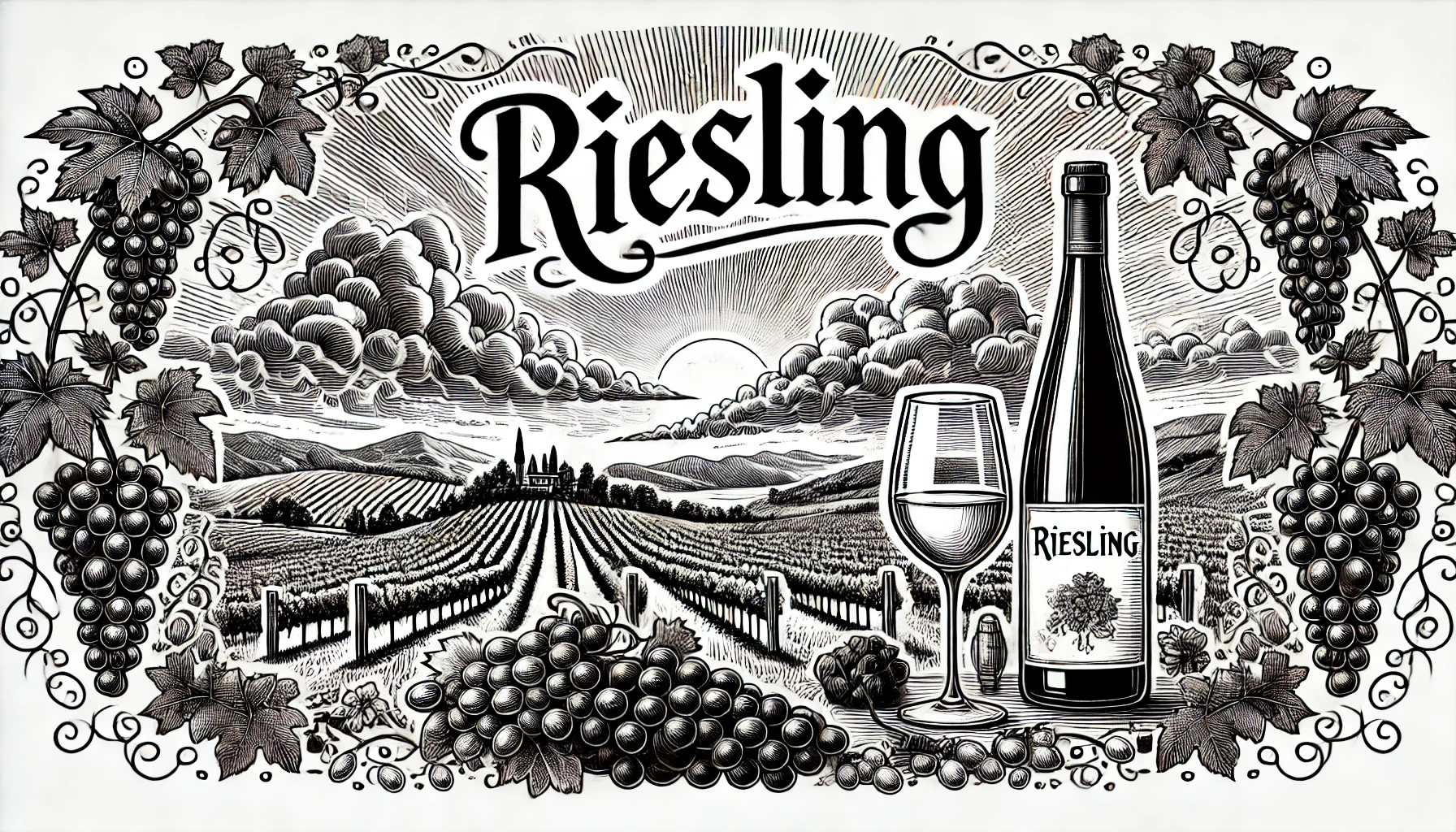
Riesling is a highly aromatic and versatile white grape variety that originates from Germany’s Rhine region. Known for its distinctive floral and fruity aromas, Riesling can be crafted into a wide range of styles, from bone-dry to decadently sweet. Its hallmark characteristics include high acidity and an expressive aroma profile, often with notes of green apple, citrus, apricot, and white flowers.
Unlike many other white wines, it has an extraordinary ability to reflect the terroir of where it’s grown. In cool climates, such as in Germany or the Alsace region of France, Riesling typically displays racy acidity and flavors of lime, green apple, and stone fruits. In warmer climates, like Australia’s Clare Valley, it can exhibit more tropical fruit characteristics, while still retaining its signature acidity.
Riesling is unique in that it can age beautifully. Over time, it develops complex, honeyed and petrol-like notes that are highly prized by wine enthusiasts. The high acidity of Riesling also helps balance the sweetness in sweeter styles, such as German spätlese or auslese Rieslings, which makes it an excellent wine to pair with spicy foods like Thai or Indian cuisine.
One of the advantages of Riesling is its versatility. Whether you prefer a crisp, dry white wine or a rich, sweet dessert wine, Riesling can deliver both, and everything in between. This makes it one of the most food-friendly and diverse white wines on the market.
Curious about more wine terms and insights? Visit our Wine Wiki section and explore the basic wine terms for expert definitions and tips!
Malolactic fermentation (often abbreviated as MLF) is a secondary fermentation process in winemaking that converts sharp, tart malic acid into softer, creamier lactic acid. This transformation takes place after the primary alcoholic fermentation, during which yeast converts sugars into alcohol. MLF is carried out by specific bacteria, typically from the species Oenococcus oeni.
The purpose of malolactic fermentation is to reduce the wine’s acidity and enhance its texture, making it smoother and rounder on the palate. Wines that have undergone MLF often exhibit a buttery or creamy texture, which is especially noticeable in some styles of Chardonnay. In red wines, malolactic fermentation is almost always done, as it helps soften the tannins and integrate the flavors.
While MLF occurs naturally in some wines, winemakers can choose to either encourage or prevent it, depending on the style they want to achieve. For example, a winemaker producing a crisp, fresh white wine like Sauvignon Blanc may opt to prevent malolactic fermentation to preserve the wine’s bright acidity. On the other hand, winemakers crafting a rich, full-bodied Chardonnay may encourage MLF to give the wine a creamy mouthfeel and buttery flavors.
The process typically takes a few weeks to complete and requires careful temperature control and monitoring. Some wines undergo partial malolactic fermentation, where only a portion of the wine is allowed to ferment in this way, striking a balance between acidity and softness.
Malolactic fermentation is an important tool in a winemaker’s arsenal, offering flexibility in creating different textures and flavor profiles, particularly for white wines and some reds.
Curious about more wine terms and insights? Visit our Wine Wiki section and explore the basic wine terms for expert definitions and tips!
Maceration is a crucial step in winemaking, especially for red and rosé wines, as it involves soaking the grape skins in the juice to extract color, tannins, and flavor compounds. This process begins right after the grapes are crushed and continues for varying lengths of time depending on the style of wine being made.
The primary goal is to transfer the components from the grape skins into the juice. For red wines, the duration of maceration is often longer—sometimes weeks—allowing the wine to develop deep color, rich tannins, and complex flavors. In contrast, for rosé wines, maceration is typically much shorter, often lasting only a few hours to a day, just long enough to give the wine its characteristic pink hue without imparting too much tannin.
It can also influence the body and texture of the wine. A longer maceration period generally results in a fuller-bodied wine with more structure, while a shorter period may produce a lighter, fruitier wine. Winemakers carefully control this process to achieve the desired balance in the finished product.
There are different techniques, including cold maceration, which takes place before fermentation and is used to enhance fruit flavors and aroma without extracting too many tannins. Another method is carbonic maceration, often used in the production of Beaujolais, where whole grapes ferment in a carbon dioxide-rich environment, producing light, fruity wines with low tannin levels.
Maceration is a complex but vital process in winemaking, contributing to the wine’s color, flavor profile, and overall structure.
Curious about more wine terms and insights? Visit our Wine Wiki section and explore the basic wine terms for expert definitions and tips!
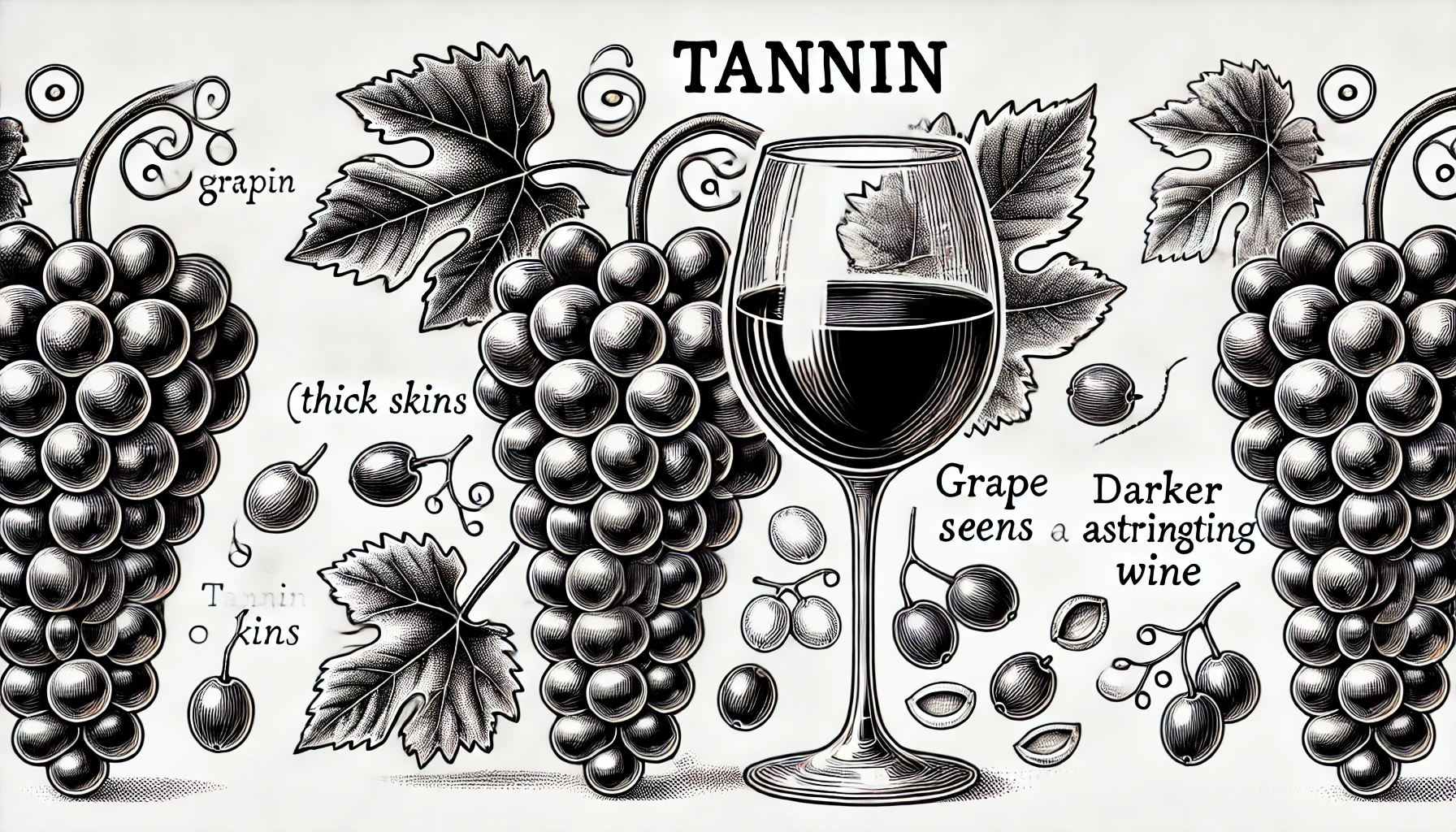
Tannin is one of the most talked-about components of wine. Particularly red wine, as it plays a vital role in the structure, texture, and aging potential of the wine. Tannins are natural compounds found in grape skins, seeds, and stems, as well as in the oak barrels used for aging wine. They belong to a group of compounds called polyphenols, which are responsible for the astringency and bitterness in wine.
When you taste a wine with high tannin levels, you’ll likely notice a drying sensation in your mouth, similar to the feeling you get from drinking strong black tea. Tannins bind with proteins in your saliva, leading to that dry, puckering sensation. While some people may find this unpleasant, tannins are essential to the balance of the wine and contribute significantly to its overall structure.
Tannins act as a natural preservative. That´s why wines with higher tannin levels, such as Cabernet Sauvignon or Nebbiolo, tend to age well. Over time, the tannins soften, and the wine becomes smoother and more integrated. This is why many red wines are cellared for several years before they reach their peak drinking potential.
Tannins also interact with food, making them an essential factor in wine pairing. They help cut through rich, fatty dishes like steak or lamb, balancing out the flavors. Wines with softer tannins, like Pinot Noir or Merlot, tend to pair well with lighter fare.
Understanding tannins can greatly enhance your wine-tasting experience, as it helps explain why certain wines feel fuller, drier, or more complex on the palate.
Curious about more wine terms and insights? Visit our Wine Wiki section and explore the basic wine terms for expert definitions and tips!
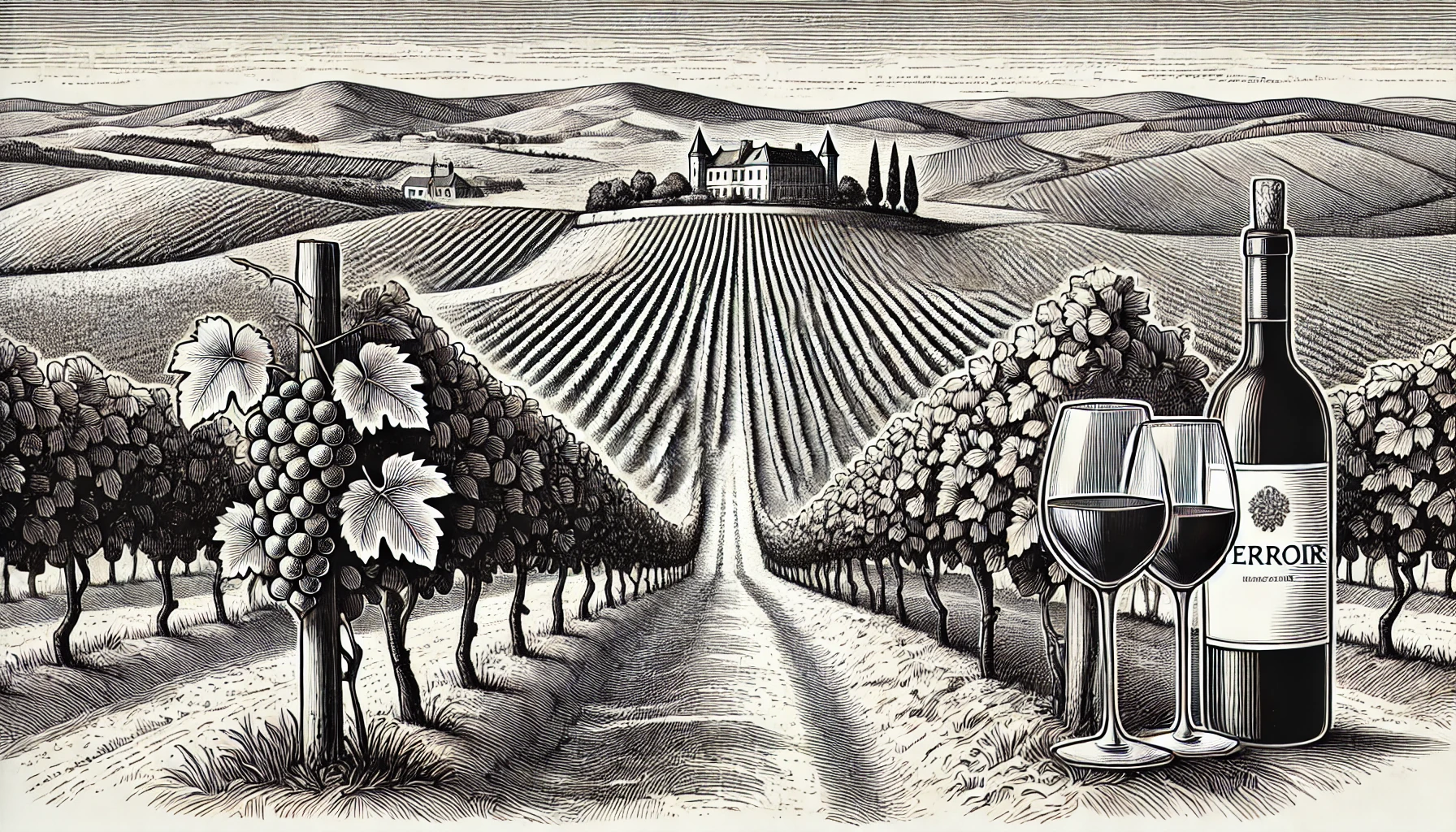
Terroir is a French term that refers to the unique set of environmental factors that influence the characteristics of a wine. It’s often considered the “soul” of a wine, as it reflects the climate, soil, geography, and even the human hand involved in the growing of grapes and winemaking.
At the core of terroir is the idea that the same grape variety, grown in different regions, will produce wines that taste different. This happens because factors such as soil composition, temperature, altitude, and rainfall vary from place to place, and these variables affect the growth of the grapevines and the development of the fruit.
For example, grapes grown in a cooler climate may retain more acidity, while those from a warmer climate might develop higher sugar content, leading to fuller-bodied wines. Soil composition also plays a significant role—grapes grown in rocky, well-drained soils might produce more complex and mineral-driven wines, while clay-rich soils can lead to wines with more structure and tannins.
Terroir goes beyond the natural elements; human intervention also plays a role. Vineyard management techniques, harvest times, and winemaking traditions contribute to the expression of terroir. In regions like Burgundy, France, the concept of terroir is sacred, with vineyards often classified based on their terroir.
Ultimately, terroir gives each wine a sense of place, distinguishing it from others and providing wine lovers with a deeper connection to the origins of their wine. Understanding terroir is key to appreciating the nuances and diversity of wines from around the world.
Curious about more wine terms and insights? Visit our Wine Wiki section and explore the basic wine terms for expert definitions and tips!
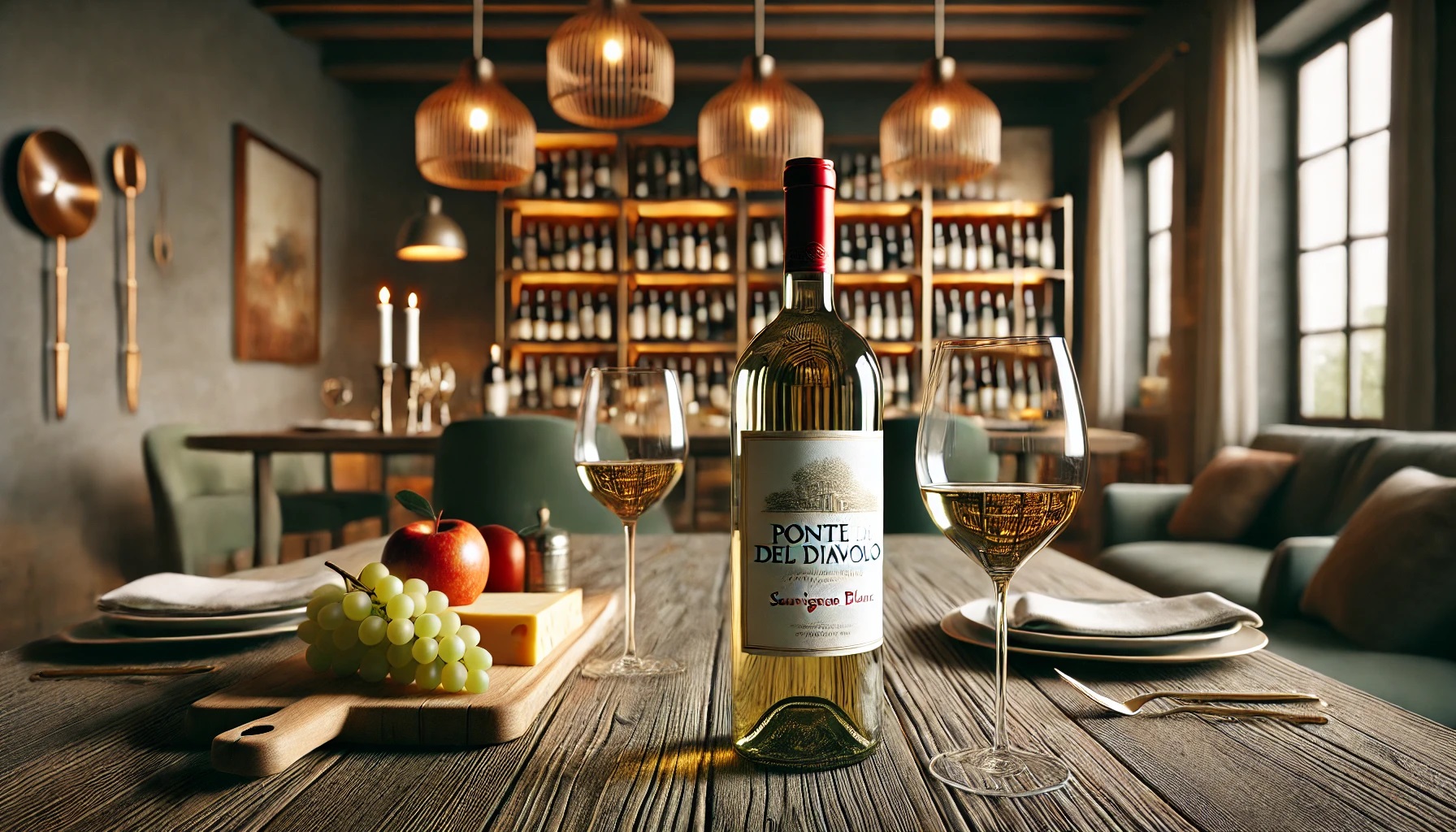
They say that great wine has the power to tell a story, and with Ponte del Diavolo Sauvignon Blanc 2018, that story is rooted in legend. It is Named after the famous “Devil’s Bridge” in Friuli, Italy. This wine doesn’t just evoke the mystery of its namesake; it also captures the essence of Friuli’s world-renowned terroir. Fresh, zesty, and brimming with life. This Sauvignon Blanc brings something unique to the table, making it the perfect choice for those who love crisp, aromatic whites.
The Legend Behind the Name
The name Ponte del Diavolo refers to an ancient bridge in Cividale del Friuli. That´s a small town with a rich history dating back to Roman times. Local legend has it that the townspeople made a pact with the devil to help build the bridge. A deal that the devil cleverly lost when the people outsmarted him. Much like the clever townsfolk, this Sauvignon Blanc outsmarts expectations with its surprising depth and complexity for a wine in its category.
A Sip of Friuli’s Terroir
When we talk about Italian wine, the regions that often come to mind are Tuscany, Piedmont, or Veneto. But true connoisseurs know that Friuli-Venezia Giulia produces some of the finest white wines in Italy. The region’s cool Alpine breezes and mineral-rich soils make it the perfect environment for growing Sauvignon Blanc grapes that are expressive, crisp, and full of character.
The Ponte del Diavolo Sauvignon Blanc 2018 is no exception. Therefore, the wine perfectly balances the intense, fruit-forward aromas that you’d expect from a Sauvignon Blanc with a refreshing minerality that is quintessentially Friulian. If you love crisp whites that are full of personality, this one’s for you.
Taste Profile: Lively and Luscious
This 2018 vintage bursts with aromas of tropical fruits—think passionfruit, grapefruit, and a hint of green apple. There’s a delicate herbal edge that’s typical of Sauvignon Blanc, reminiscent of fresh-cut grass or green pepper. On the palate, the wine is lively, with zesty acidity and a stony minerality that leads to a clean, invigorating finish.
The citrus and tropical notes make this a fantastic wine to pair with lighter dishes. It’s a match made in heaven for seafood, grilled vegetables, or fresh salads.
The Bridge Between Tradition and Innovation
The Ponte del Diavolo label is a testament to Friuli’s ability to produce modern wines while staying deeply connected to the region’s winemaking traditions. While Sauvignon Blanc is not native to Italy, Friuli has adopted it and perfected it. The 2018 vintage showcases this mastery with its impeccable balance of acidity, freshness, and fruity complexity, making it a staple for any white wine enthusiast.
For those who appreciate organic and sustainable farming practices, this wine fits right in with the growing trend toward environmentally conscious winemaking.
Final Thoughts
So, the Ponte del Diavolo Sauvignon Blanc 2018 is more than just a wine. It’s a snapshot of Italy’s rich history and Friuli’s exceptional winemaking tradition. Crisp, aromatic, and refreshingly complex. This wine is a testament to how old-world tradition and new-world techniques can come together to create something truly special. Whether you’re sipping it on a sunny afternoon or pairing it with your favorite dish, this Sauvignon Blanc promises to transport you straight to the rolling hills of Friuli.