
There is a small problem with discovering Portuguese wine: the more you learn, the less you seem to know.
At first, things appear manageable. There is Port. There is Vinho Verde. Perhaps you know a few wines from the Douro or Alentejo. You learn to recognise Touriga Nacional and Alvarinho and begin to feel reasonably knowledgeable.
Then somebody pours you a glass of wine made from a grape called Jampal.
And you realise you have barely started.
Portugal is particularly good at this. Behind the famous regions and familiar bottles is another wine world made up of small producers, obscure grape varieties, old vineyards and wines that may never travel very far from the place where they were made.
For anyone who enjoys discovering wine rather than simply buying it, that is where things become interesting.
When You Don’t Recognise the Grape
We tend to become comfortable with familiar grape varieties.
Cabernet Sauvignon tells us roughly what sort of territory we are entering. Chardonnay is reassuringly pronounceable. Even Portugal’s Touriga Nacional has become increasingly familiar to international wine drinkers.
But Portugal has hundreds of native grape varieties, including some that are grown in remarkably small quantities. I’ve written before about why Portugal has so many native grape varieties, and it is one of the things that makes drinking Portuguese wine such an adventure.
Take Arinto. It isn’t exactly one of Portugal’s secret grapes—it is grown in several regions and has a long history here—but outside Portugal it still receives remarkably little attention. With its naturally high acidity and ability to retain freshness even in warmer conditions, it is the sort of grape that makes you wonder why considerably more people aren’t talking about it. It can also produce some rather unexpected wines, as I discovered with this Late Harvest Arinto from Bucelas.
And then there are the genuinely obscure names: Rufete, Vital, Jampal, Tinta Carvalha and Rabigato. Old field blends can make matters even more complicated, with several varieties growing together in vineyards planted long before anyone thought a wine drinker might want a convenient explanation on the back label.
This does make buying Portuguese wine slightly hazardous for anyone who likes to know exactly what they are getting.
It also makes it much more fun.
Choosing an unfamiliar Portuguese bottle sometimes requires accepting that you have absolutely no idea what is going to happen when you pull the cork. Fortunately, this is one of life’s more pleasant forms of uncertainty.
The Wines That Don’t Travel Far
Some of the most interesting Portuguese wines are not necessarily the ones with international reputations.
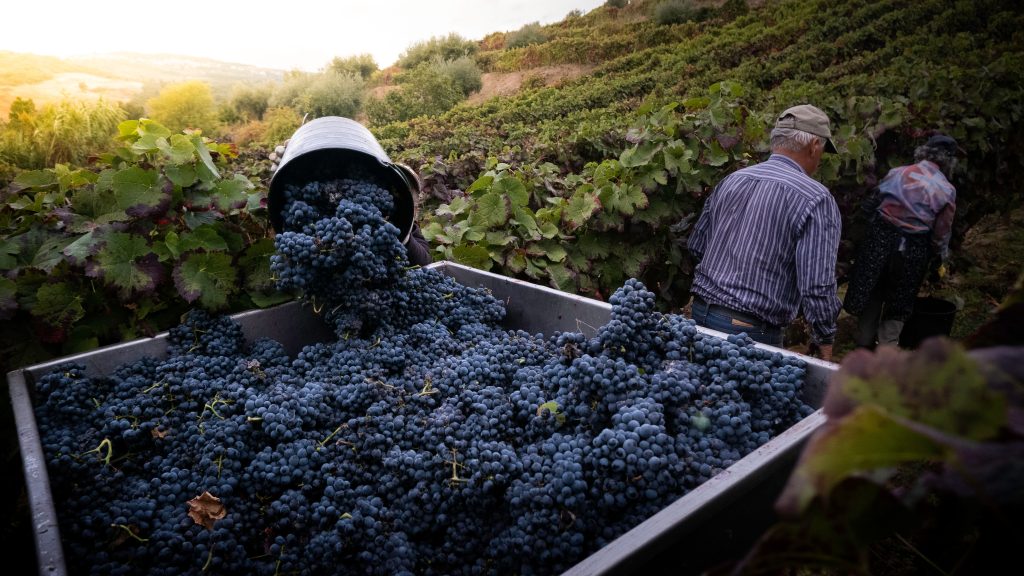
Small producers may work with only a few hectares of vines. Production can be limited, distribution local and marketing considerably less sophisticated than the wine itself.
As a result, a bottle that is perfectly ordinary to somebody living near the vineyard may be almost impossible to find elsewhere.
There is something rather appealing about that.
Wine has become a global product. We can walk into shops thousands of kilometres apart and find many of the same labels. Smaller Portuguese producers offer the opposite experience: wines that still belong very strongly to a particular place.
Sometimes finding them means leaving the main road.
Follow the Small Signs
Wine travel in Portugal does not always involve grand estates with impressive entrance gates.
Sometimes there is simply a sign saying Vinhos.
Following such signs can be rewarding.
A visit to a smaller quinta can offer something very different from a conventional tasting. You may meet the person who tends the vines or made the wine you are drinking. You may hear why one particular grape is still planted when neighbouring vineyards abandoned it years ago, or why a family continues making wine in a particular way simply because that is how it has always been done.
These encounters put the bottle into context.
For travellers who would rather not rely entirely on their ability to spot mysterious roadside signs, Secret Cellars Portugal takes a similar approach to wine discovery. The platform seeks out hidden wineries, local winemakers and distinctive Portuguese wines beyond the names most visitors already know.
That idea appeals to me because discovering Portuguese wine is often as much about discovering people as it is about finding bottles.
There Is a Person Behind Every Wine
It is easy to discuss wine in terms of acidity, tannins, vintages and grape varieties until we almost forget that somebody had to make the stuff.
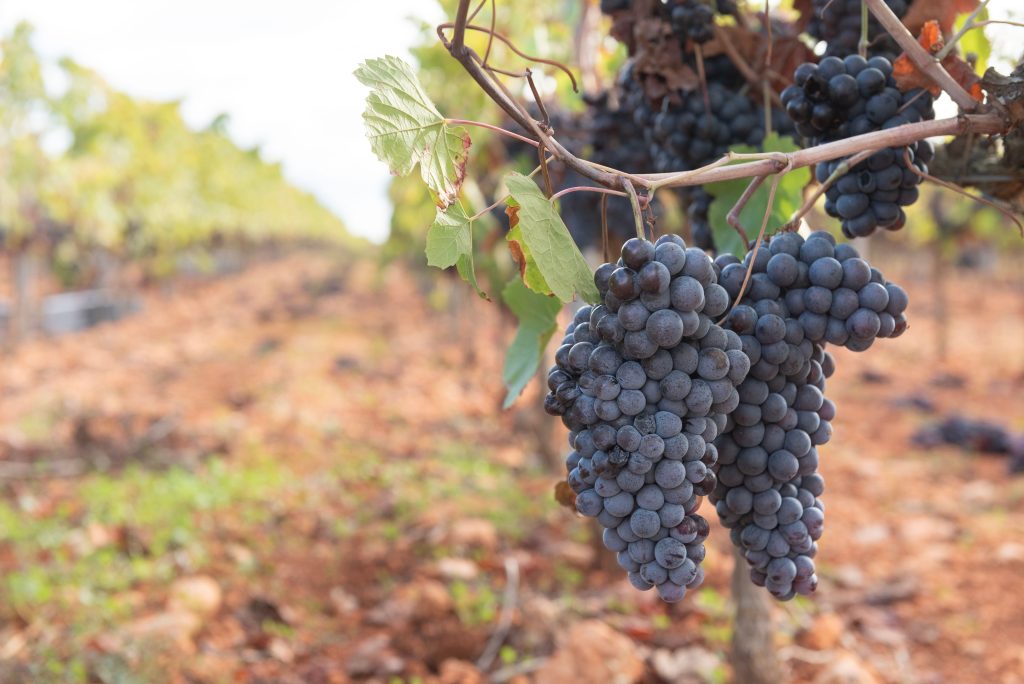
Behind a small winery there are usually people pruning vines in winter, worrying about rain at precisely the wrong moment, watching the grapes as harvest approaches and making a succession of decisions that eventually end up in our glass.
The story of Quintas de Sirlyn offers a glimpse into that side of Portuguese wine: the everyday life behind the romantic image of owning a vineyard.
And perhaps that is another reason smaller producers can be so interesting. The distance between the person drinking the wine and the person making it becomes much shorter.
A bottle stops being simply a Portuguese red.
It came from this vineyard, from these grapes, made by this person, in this particular year.
Suddenly it has a story.
Drink the Wine You Cannot Pronounce
There is no shortage of advice about how to choose good wine.
Look at ratings. Learn the classifications. Follow respected critics. Study vintages.
All of these things can be useful.
But every now and then, I think there is something to be said for choosing the bottle whose grape variety you have never encountered before.
Ask the owner of a small wine shop what they drink themselves. Try the local wine when travelling. Visit the producer whose name you don’t recognise. If someone tells you that a particular grape grows almost nowhere else, that is usually a very good reason to taste it.
You might discover something wonderful.
You might discover something decidedly peculiar.
Either way, you will probably remember it.
And that, perhaps, is what makes Portugal such an enjoyable country for wine lovers. The famous wines give you a reason to begin exploring, but the country has never quite allowed its wine culture to become predictable.
There is always another region, another small producer, another old vineyard.
And inevitably, another grape whose name you have no idea how to pronounce.