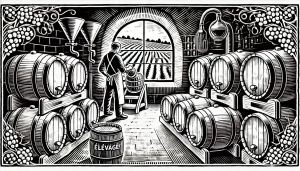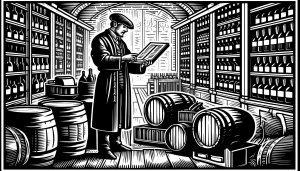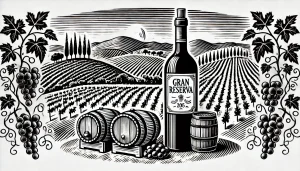
Gran Reserva is a prestigious wine classification in Spain, referring to wines that undergo extensive aging before they are released to the market. The term applies to both red and white wines, although the aging requirements differ between the two. For red wines, Gran Reserva means a minimum of five years of aging, with at least two years spent in oak barrels and the remaining time aging in the bottle. This process allows the wine to develop rich, complex flavors. White wines labeled as Gran Reserva must age for at least four years, with six months of that time spent in oak.
Wines carrying this label are often considered the highest quality and come from particularly good vintages. Only the best grapes are typically used, which means winemakers are very selective. These wines offer layers of flavors and aromas that evolve with every sip. You’ll often find notes of dried fruit, tobacco, leather, and spices in Gran Reserva reds, while the whites may offer flavors of nuts, honey, and dried flowers. Because of the time and care involved in their production, these wines tend to be more expensive than other classifications like Crianza or Reserva.
Gran Reserva wines are a great choice for special occasions. The long aging process smooths out the tannins, making the wine more elegant and refined. These wines pair well with rich, hearty foods like roasted meats, game, or aged cheeses. In Spain, regions like Rioja and Ribera del Duero are famous for their exceptional Gran Reserva wines. If you’re looking for a wine that showcases complexity and depth, it is an excellent choice.
Curious about more wine terms and insights? Visit our Wine Wiki section and explore the basic wine terms for expert definitions and tips!
A cork is the traditional stopper used to seal a wine bottle, most commonly made from the bark of the cork oak tree (Quercus suber). Its job is simple but incredibly important: it keeps the wine protected while allowing just enough air to interact with it over time.
That tiny exchange of oxygen is what helps certain wines evolve, soften, and develop more complex flavors as they age. Without it, many classic wines would never reach their full potential.
Where Does Wine Cork Come From?
Cork comes from the cork oak tree (Quercus suber), a species that grows mainly in Portugal, Spain, and parts of North Africa. If you live in Portugal, you’re actually right at the heart of the cork world—Portugal produces more than half of the global supply.
What makes cork special is how it’s harvested:
The tree is never cut down
Only the outer bark is removed
Harvesting happens roughly every 9 to 12 years
A single tree can live for over 200 years
This makes cork one of the most sustainable materials used in the wine industry.
Why Cork Is Used for Wine Bottles
At first glance, cork might seem like an old-fashioned choice. But there’s a reason it has survived for centuries.
1. It Creates a Perfect Seal
Cork compresses when inserted into the bottle and then expands, forming a tight, leak-proof closure.
2. It Protects the Wine
It keeps too much oxygen out, which would otherwise spoil the wine.
3. It Allows Controlled Aging
Here’s the magic: cork lets in a tiny amount of oxygen over time, which helps wine mature gradually.
This is why cork is still the preferred closure for wines that are meant to age—especially reds and high-quality whites.
Types of Wine Corks
Not all corks are the same. In fact, the type of cork used often tells you something about the wine itself.
One of the potential issues with natural cork is “cork taint,” which occurs when the cork becomes contaminated with a compound called TCA (trichloroanisole). It can ruin the flavor and aroma of wine, giving it a musty, moldy taste. However, many winemakers still choose cork because of its traditional appeal, its role in allowing wines to breathe over time, and its sustainability, as its harvesting does not harm the tree.
Natural Cork
Made from a single piece of cork bark
Considered the highest quality
Ideal for long-term aging
Colmated Cork
Natural cork with small pores filled in
More affordable than full natural cork
Suitable for mid-range wines
Agglomerated Cork
Made from compressed cork granules
Common in budget wines
Best for wines meant to be consumed young
Technical Cork
Engineered cork designed to reduce faults
A modern compromise between tradition and consistency
Sparkling Wine Cork
Mushroom-shaped
Held in place with a wire cage
Designed to withstand pressure inside the bottle
A Short History of Cork in Wine
Cork has been around for thousands of years, but its role in wine really took off much later.
Ancient Greeks and Romans used cork to seal containers
During the Middle Ages, other materials were more common
In the 17th century, cork became standard with the rise of glass wine bottles
By the 18th century, cork and corkscrews made proper wine aging possible
This shift completely changed how wine was stored, transported, and enjoyed.
Cork vs Screw Cap: Which Is Better?
This is one of the most debated topics in wine, and the answer isn’t as simple as one being “better.”
Feature
Cork
Screw Cap
Aging potential
Excellent
Limited
Oxygen exchange
Yes (controlled)
Almost none
Risk of faults
Low, but possible
Very low
Tradition
Strong
Modern
Convenience
Lower
High
In practical terms:
Cork is ideal for wines you want to age
Screw caps are great for fresh, everyday wines
Many winemakers today choose based on style rather than tradition alone.
What Is Corked Wine?
You may have heard someone say a wine is “corked.” This doesn’t mean there’s something wrong with the cork itself—it refers to a fault caused by a compound called TCA (trichloroanisole).
Signs of corked wine:
Smell of damp cardboard or a musty cellar
Dull or muted fruit aromas
Flat, lifeless taste
The good news? Modern production methods have reduced cork taint significantly, so it’s much less common than it used to be.
Sustainability: A Natural Advantage
Cork is often considered the most environmentally friendly wine closure.
Cork oak forests support rich ecosystems
Harvesting does not harm the tree
The process is renewable and low-waste
These forests also play an important role in capturing carbon dioxide, making cork a strong choice for environmentally conscious wine lovers.
Why Cork Still Matters Today
With all the modern alternatives available, you might wonder why cork is still used at all.
The answer is a mix of science, tradition, and experience.
Cork:
Helps wines age gracefully
Signals quality and craftsmanship
Is renewable and sustainable
Adds to the ritual of opening a bottle
That small “pop” when opening a bottle is more than just a sound—it’s part of the entire wine experience.
Quick Summary
A cork is a natural wine stopper made from cork oak bark
It allows slow oxygen exchange, helping wine age
There are different types, from natural to engineered
Cork has been used in wine for centuries
It remains the preferred choice for many premium wines
FAQ About Wine Corks
Does cork improve wine?
Cork itself doesn’t add flavor, but it allows the wine to develop over time through controlled oxygen exposure.
How long does a cork last?
High-quality corks can last decades if stored properly.
Are synthetic corks better?
They are more consistent, but they don’t offer the same aging potential as natural cork.
Why do some wines not use cork?
Many wines are meant to be consumed young, where consistency and convenience matter more than aging.
Curious about more wine terms and insights? Visit our Wine Wiki section and explore the basic wine terms for expert definitions and tips!
Sekt is a term used to describe sparkling wine produced in Germany, Austria, and other German-speaking regions. It is the German equivalent of France’s Champagne or Italy’s Prosecco, though the term Sekt refers broadly to all sparkling wines from these regions rather than a specific method of production or region like Champagne.
It can range from very dry to sweet, and the style depends on the winemaking techniques and the level of sweetness added through dosage. The primary method for producing it is similar to the traditional method used in Champagne, where a second fermentation takes place in the bottle. This method is called the “klassische Flaschengärung” or “traditional bottle fermentation.” However, some Sekt wines are also made using the tank method (Charmat method), where the second fermentation occurs in a large pressurized tank.
Made From Local Grape Varieties
Sekt is primarily made from local grape varieties, such as Riesling, Silvaner, or Pinot Blanc (Weißburgunder), though international varieties like Chardonnay or Pinot Noir (Spätburgunder) can also be used. The quality varies significantly, from mass-produced options to high-end, vintage offerings from prestigious vineyards. Winemakers classify Sekt based on its origin and quality. High-quality Sekt made entirely from German grapes is labeled “Deutscher Sekt,” while those made with grapes sourced from other countries are simply labeled “Sekt.”
The flavor profile of Sekt ranges from light and fresh to rich and complex, with characteristics like crisp acidity, fine bubbles, and fruit-forward aromas. It’s a popular choice for celebrations and is typically enjoyed as an aperitif, though it can also pair well with a variety of foods. Its versatility makes it an essential part of German wine culture, appreciated both in casual settings and prestigious events.
Curious about more wine terms and insights? Visit our Wine Wiki section and explore the basic wine terms for expert definitions and tips!
An aficionado refers to a person who has a deep passion, knowledge, and appreciation for a particular subject or activity. In the context of wine, a wine aficionado is someone who not only enjoys drinking wine but also invests time in learning about its production, history, and nuances. This person often has a refined palate and is able to distinguish between different grape varieties, regions, and vintages.
Wine aficionados are known for their attention to detail when it comes to tasting and evaluating wine. They may regularly attend wine tastings, visit vineyards, and follow the latest trends in the wine industry. Their knowledge extends beyond the basic enjoyment of wine, delving into the intricacies of winemaking processes, terroir, and wine aging.
While the term “aficionado” can apply to many interests, in the wine world, it reflects a blend of passion, expertise, and a constant desire to explore and savor the world of wine.
Curious about more wine terms and insights? Visit our Wine Wiki section and explore the basic wine terms for expert definitions and tips!
Destemming is the process of removing the stems from grape clusters before fermentation. In winemaking, destemming plays a critical role in controlling the wine’s tannin levels and overall flavor profile. Stems contain tannins, which can contribute bitterness or astringency to wine if left during fermentation. While tannins are an essential part of a wine’s structure, too many tannins from stems can overpower the wine’s other characteristics, resulting in an unbalanced product.
Winemakers often use destemming for red wines, but it can also be done in white wine production. The decision to destem or not depends on the style of wine the winemaker aims to create. Some winemakers choose to ferment grapes with the stems, a technique known as whole-cluster fermentation. This method can add complexity and structure to the wine but also introduces more tannins, which need to be managed carefully.
The destemming process can be done by hand or with mechanical destemmers. In small-scale or artisanal winemaking, hand-destemming is sometimes preferred because it allows more control over the selection of grapes. However, in large-scale commercial wineries, mechanical destemmers are used for efficiency. These machines remove the stems from the grapes while keeping the grape skins intact, which is crucial for the fermentation process.
Destemming also affects the texture and mouthfeel of the wine. Removing stems tends to create wines that are smoother and more approachable when young. Wines made without destemming often require longer aging to soften the tannins. While destemming adds an extra step to the winemaking process, it gives winemakers greater control over the final product, allowing them to create wines with the desired balance of fruit, acidity, and tannin.
Curious about more wine terms and insights? Visit our Wine Wiki section and explore the basic wine terms for expert definitions and tips!
Dosage is a crucial step in the winemaking process for sparkling wines, particularly Champagne. After the second fermentation, which occurs in the bottle, the winemaker adds a mixture called “liqueur d’expédition.” This mixture is a combination of wine and sugar, and the amount added determines the final sweetness of the sparkling wine. The goal of dosage is to balance the wine’s natural acidity and tailor it to a specific sweetness level.
Sparkling Wines
In sparkling wines, the levels of dosage vary, and each category has a specific amount of sugar. The driest level is “Brut Nature” or “Zero Dosage,” where no sugar is added. This results in a very dry wine with high acidity. Next is “Extra Brut,” followed by “Brut,” the most common category, which has a minimal amount of sugar. Moving up the sweetness scale, we encounter “Extra Dry,” “Sec,” “Demi-Sec,” and finally “Doux,” which is the sweetest type of sparkling wine, with over 50 grams of sugar per liter.
Dosage plays a significant role in shaping the final character of the wine. Without it, the wine could taste overly acidic or unbalanced. By carefully controlling the amount of sugar added, winemakers ensure the sparkling wine appeals to different tastes, from those who prefer a bone-dry Champagne to those who enjoy a touch of sweetness in their bubbly. Dosage also helps in aging sparkling wines. Over time, the sugar interacts with the wine, developing complex flavors and a refined texture.
Choosing the right dosage is a blend of art and science. Winemakers must consider the natural characteristics of the wine, its acidity, and its overall structure before deciding how much sugar to add. Too much or too little can throw off the balance, making dosage one of the more nuanced elements of sparkling winemaking.
Curious about more wine terms and insights? Visit our Wine Wiki section and explore the basic wine terms for expert definitions and tips!
Moscatel (also known as Muscat) is a grape variety known for its fragrant, floral aromas and sweet flavors. It is one of the oldest grape varieties in the world, with a rich history of cultivation dating back thousands of years. Moscatel grapes are used to produce a wide range of wine styles, from dry table wines to sweet dessert wines, and they are grown in many wine regions around the globe, particularly in southern Europe, including Spain, Portugal, and Italy.
Intensely Aromatic Character
The grape is notable for its intensely aromatic character, often featuring notes of orange blossom, jasmine, and honeysuckle, along with flavors of ripe stone fruits like peaches and apricots. This aromatic profile makes it a favorite among winemakers who specialize in sweet wines, as the naturally high sugar content of the Moscatel grape lends itself well to dessert-style wines. However, Moscatel is also used in the production of sparkling wines, fortified wines like Moscatel de Setúbal (from Portugal), and even dry or off-dry wines.
One of the most famous styles of Moscatel wine is Moscato d’Asti, a lightly sparkling and sweet wine from the Piedmont region of Italy. Moscato d’Asti is known for its low alcohol content and its fresh, fruity flavors, making it an ideal pairing for fruit-based desserts or as an aperitif.
The versatility of Moscatel lies in its ability to be made into a range of wine styles. In fortified wines, like Moscatel de Setúbal, the wine is often aged in oak barrels, developing complex layers of dried fruit, honey, and nutty flavors. This style of wine is popular in southern Portugal and Spain, where it is enjoyed with desserts or as a stand-alone after-dinner wine.
Moscatel wines are often appreciated for their easy-drinking nature, bright acidity, and lush sweetness, making them a popular choice for both wine connoisseurs and casual drinkers alike.
Curious about more wine terms and insights? Visit our Wine Wiki section and explore the basic wine terms for expert definitions and tips!
The palate refers to the sensory experience of tasting wine, encompassing the range of flavors, textures, and sensations that you perceive when sipping wine. In the context of wine tasting, the palate plays a crucial role in how a wine’s qualities—such as sweetness, acidity, tannins, alcohol, and body—are experienced. While the term originally refers to the roof of the mouth, in wine tasting, it symbolizes the combined function of taste buds, mouthfeel, and even aroma to create a comprehensive impression of a wine.
Wine tasters often refer to the entry, mid-palate, and finish when describing how a wine interacts with the palate:
Entry is the first impression you get when the wine hits your mouth. It involves initial flavors, such as fruit, sweetness, or acidity.
Mid-palate refers to the flavors and texture that develop as the wine coats the inside of your mouth. This phase reveals a wine’s complexity, structure, and how its elements (like tannins and acidity) balance with each other.
Finish describes the lingering flavors and sensations after swallowing the wine. A long, pleasant finish often indicates a well-crafted wine.
The palate is key in detecting a wine’s balance and integration. For example, you can sense whether a wine’s acidity is sharp, whether the tannins are smooth or rough, and whether the body feels light or full. Wine tasters often comment on a wine’s “palate weight,” which refers to the body or mouthfeel, whether it’s light, medium, or heavy.
Developing a refined palate is a skill that comes with practice. By paying attention to the nuances in flavors and textures, you can better appreciate the complexities that different wines offer.
Curious about more wine terms and insights? Visit our Wine Wiki section and explore the basic wine terms for expert definitions and tips!
Quercetin is a type of flavonoid, a class of plant compounds known for their antioxidant properties. It is commonly found in a variety of fruits, vegetables, and grains, with especially high concentrations in apples, onions, berries, citrus fruits, and red wine. Quercetin plays an essential role in protecting plants from environmental stressors such as UV radiation and pathogens, and its antioxidant benefits extend to human health as well.
As an antioxidant, quercetin helps neutralize free radicals in the body, which are unstable molecules that can damage cells and contribute to aging and the development of chronic diseases. Studies suggest that quercetin may offer several health benefits, including reducing inflammation, lowering blood pressure, and improving cardiovascular health. Its anti-inflammatory properties are particularly noteworthy, as they can help manage conditions like arthritis and certain autoimmune disorders.
In Red Wine
In red wine, quercetin is one of the many polyphenols that contribute to the wine’s potential health benefits. The compound is primarily found in the skins of grapes, which are used in the fermentation process for red wine. This is why red wine is considered a more potent source of quercetin compared to white wine, where the grape skins are removed early in the production process.
Quercetin’s potential to lower the risk of heart disease has made it a subject of interest in the study of the French Paradox, where moderate red wine consumption is linked to better heart health despite a diet rich in saturated fats. By reducing inflammation and preventing the oxidation of LDL (bad) cholesterol, quercetin may help protect against atherosclerosis, a condition that can lead to heart attacks and strokes.
While quercetin can be obtained through dietary sources like fruits, vegetables, and wine, it is also available in supplement form. However, as with many nutrients, getting quercetin from whole foods is considered the best way to maximize its benefits.
Curious about more wine terms and insights? Visit our Wine Wiki section and explore the basic wine terms for expert definitions and tips!
The French Paradox refers to the seemingly contradictory observation that despite a diet rich in saturated fats, the French population experiences relatively low rates of coronary heart disease. This paradox, first noted in the 1980s and popularized by media coverage in the early 1990s, has intrigued researchers and the public alike, sparking debates about dietary habits and lifestyle factors.
Theories
One of the central theories behind the French Paradox is the regular consumption of red wine. While the French diet includes foods traditionally associated with higher cholesterol levels, such as cheese, butter, and meats, their heart health remains comparatively strong. Some researchers suggest that the moderate consumption of red wine, which is rich in polyphenols like resveratrol, may play a protective role in cardiovascular health. These compounds have antioxidant and anti-inflammatory properties that could help reduce the risk of heart disease.
Red wine’s resveratrol content, in particular, has been studied for its potential to lower LDL (bad) cholesterol, prevent blood clots, and improve the overall function of blood vessels. Other polyphenols found in wine, such as quercetin and tannins, may also contribute to these heart-healthy benefits. In addition to red wine, the French diet features fresh fruits, vegetables, and a focus on portion control, all of which are key factors in maintaining overall health.
While the French Paradox has led to increased interest in the health benefits of wine, it’s important to note that the effects of alcohol vary from person to person. Excessive consumption of alcohol can lead to negative health outcomes, including liver disease and an increased risk of certain cancers. As a result, experts recommend moderate consumption, typically defined as one glass per day for women and up to two glasses for men.
Though the exact mechanisms behind the French Paradox remain a topic of ongoing research, it continues to highlight the complex relationship between diet, lifestyle, and heart health.
Curious about more wine terms and insights? Visit our Wine Wiki section and explore the basic wine terms for expert definitions and tips!