Posted on Leave a comment

Wine Sediment Explained: What It Is, Why It Happens, and Whether You Should Worry

Wine Sediment

You pour yourself a glass of wine, maybe after a long day, maybe just because it feels like the right moment… and then you notice something.

Little bits at the bottom.
A slightly cloudy swirl.
Something that wasn’t there before — or at least you never noticed it.

And suddenly, the enjoyment pauses.

Is this normal?
Is the wine bad?
Should you still drink it?

If you’ve ever had that moment (and most wine drinkers have at some point), you’re not alone. In fact, wine sediment is one of those things that looks far more alarming than it actually is.

Let’s take a proper look at it — calmly, simply, and without overcomplicating things.


What Is Sediment in Wine?

In the simplest terms, sediment is solid material that settles at the bottom of a wine bottle over time.

It can look like:

  • fine grains
  • dark flakes
  • tiny crystals
  • or even something that resembles coffee grounds

And while it may not look particularly inviting, it’s actually a completely natural part of wine.

Sediment is made up of things like:

  • dead yeast cells
  • grape skins and seeds
  • tannins and color compounds
  • tartaric acid crystals (sometimes called “wine diamonds”)

These are all things that were part of the wine from the beginning — they’ve simply settled out of the liquid over time.


Why Does Sediment Form?

This is where things get interesting, because sediment isn’t just random — it tells a bit of a story about the wine.

1. Natural Winemaking

Wine is, at its core, an agricultural product. It starts with grapes, not a laboratory.

That means:

  • not everything is filtered out completely
  • not everything is perfectly “polished”

Especially in wines that are:

  • unfiltered
  • minimally processed
  • or made in a more traditional style

These wines are more likely to develop sediment

And interestingly, many people see that as a good sign — a sign that the wine hasn’t been overly manipulated.

(Which ties in quite nicely with what we talked about in
https://thelittlecellarwinecompany.com/not-just-sulphites-uncovering-the-invisible-additives-in-modern-wines/ — sometimes “clean-looking” wines have simply been treated more heavily.)


2. Aging (The Biggest Factor)

If there is one main reason for sediment, it is this:

Time

As wine ages:

  • tannins and pigments begin to bind together
  • they grow heavier
  • and eventually fall out of the liquid

This is especially common in red wines, where these compounds are more abundant.

So when you see sediment in an older bottle, it’s often not a problem — it’s actually a sign that the wine has matured.


3. Chemical Changes in the Bottle

Wine doesn’t stop evolving once it’s bottled.

Inside the bottle:

  • acids can form crystals
  • compounds combine and separate
  • textures change

Those little crystals you sometimes see (especially in white wine) are simply tartaric acid crystallizing — completely harmless and very common.


Is Sediment in Wine Safe to Drink?

This is usually the main concern — and the good news is simple:

Yes, wine sediment is safe to drink.

It’s not harmful.
It’s not toxic.
It’s not a sign that something went wrong.

In fact:

  • it’s a natural byproduct of winemaking and aging
  • it doesn’t affect safety at all

Even if you accidentally drink it, nothing bad will happen.


So Why Do People Avoid It?

If it’s safe… why do people try so hard not to drink it?

Because of one thing:

Texture

Sediment can be:

  • gritty
  • slightly bitter
  • unpleasant in the mouth

It doesn’t usually add anything positive to the experience — and that’s why people prefer to leave it behind.

Think of it like coffee grounds in your cup.
Harmless, but not exactly enjoyable.


Which Wines Have Sediment Most Often?

Not all wines develop sediment equally.

Most likely to have sediment:

  • Older red wines
  • Vintage wines
  • Wines meant for aging
  • Unfiltered or natural wines

Less likely:

  • Young wines
  • Heavily filtered wines
  • Mass-produced commercial wines

If you open a young, inexpensive wine and see a lot of sediment, that’s when it’s worth paying a bit more attention.


Does Sediment Mean the Wine Is Better?

This is one of those questions where the answer is…

Not necessarily — but often, yes

Sediment can indicate:

  • aging
  • complexity
  • minimal processing

And those are generally positive things.

But:

  • not all great wines have sediment
  • and not all wines with sediment are great

So it’s more of a clue, not a guarantee.


How to Remove Sediment (Without Stressing About It)

Now we get to the practical part.

If you don’t want sediment in your glass, the easiest solution is:

Decanting

If you’re not familiar with it yet, I wrote a full guide here:
https://thelittlecellarwinecompany.com/the-art-of-decanting-when-why-and-how-to-do-it-right/

But in short:

Simple method:

  1. Let the bottle stand upright for a few hours
  2. Pour slowly into another container
  3. Stop when the sediment reaches the neck

That’s it.


A simpler “lazy method” (perfectly fine)

If you don’t want to decant:

  • just pour gently
  • leave the last bit in the bottle

Problem solved.


When Sediment Is NOT Normal

Now, while sediment is usually harmless, there are a few rare cases where you should take a closer look.

Be cautious if:

  • the wine smells strongly unpleasant (vinegar, rotten smell)
  • the sediment looks unusual (oily, floating layers)
  • the bottle is very young but heavily cloudy

In those cases, it might not be normal sediment.

But honestly, this is quite rare.


A Quick Word About Cork and Storage

Interestingly, what you see in your glass can sometimes be influenced by how the wine was stored — and even by the cork itself.

If you’re curious about how cork interacts with wine over time, you might enjoy this:
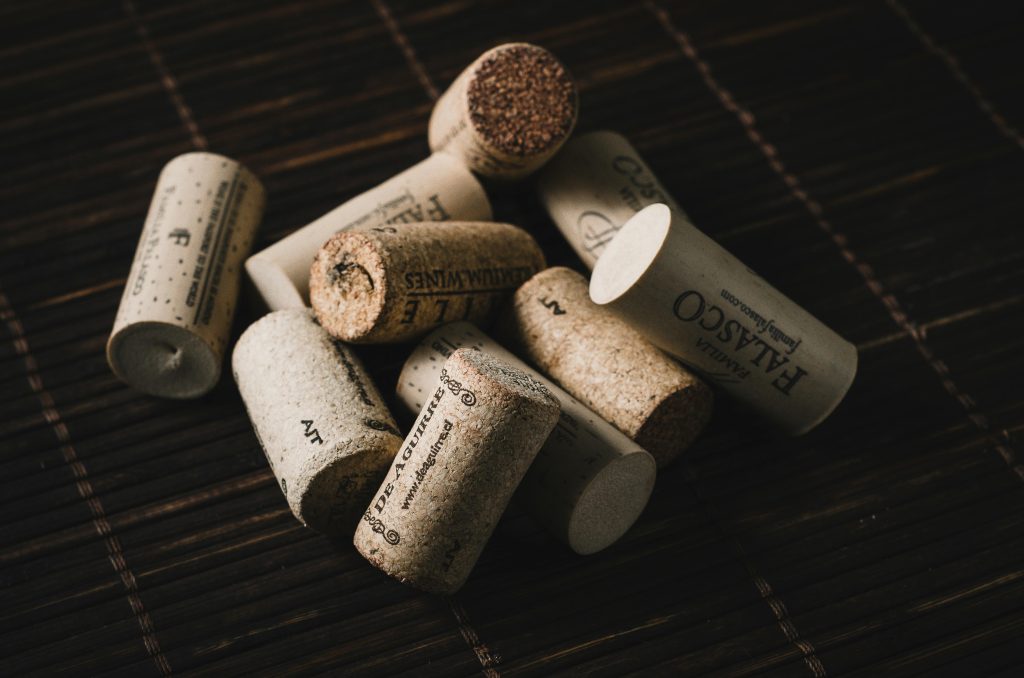
https://thelittlecellarwinecompany.com/cork/

Because sometimes what looks like sediment is simply part of the natural interaction between wine, oxygen, and time.


Why Sediment Looks More Alarming Than It Is

This is really the heart of the whole topic.

We’re used to:

  • clear drinks
  • filtered products
  • perfectly polished appearances

Wine doesn’t always behave like that.

And when it doesn’t, it feels like something is wrong.

But in reality:
Sediment is often a sign that the wine is doing exactly what it’s supposed to do.


A Personal Note (Because It Helps Put Things in Perspective)

The first time I noticed sediment, I was convinced the wine had gone bad.

It just didn’t look right.
It didn’t look like something you should drink.

So I left it.

Later, I learned that it was actually a perfectly good bottle — one that had simply been allowed to age naturally.

Since then, I’ve come to see sediment differently.

Not as a flaw…
but as a small reminder that wine is still, in many ways, a living thing.


Final Thoughts: Should You Worry About Sediment?

Let’s keep it simple.

You don’t need to worry.

Sediment is:

  • natural
  • common (especially in certain wines)
  • completely safe

The only real question is:

Do you want it in your glass?

If yes — drink it.
If not — decant or pour carefully.

That’s all there is to it.


And If You Ever See It Again…

Instead of thinking:

“Something’s wrong with this wine…”

You might think:

“Ah — this one has a bit of a story to tell.”

Posted on Leave a comment

Last Minute Wine Gift Ideas – How to Choose?

Last Minute Wine Gift Ideas

Are you planning to give a gift to someone and forget it? Here is a complete guide on what to gift at the last-minute, whether it’s a personal gift or a corporate gift. Now the event is knocking on the door, and you have to rush for the gift at the last moment. At this time, a thoughtful wine gift can come to your rescue. But most people are concerned by the fact that a wine may feel like a rushed gift. In this guide, we will discuss how to choose a last-minute wine gift without feeling too much and rushed. 

Go for Quality Over Quantity

While choosing a wine gift, do not overwhelm yourself with the discounted price available across the market. Neither go for the high rates, nor keep things very discounted. Just go for moderation. 

You don’t need to go for the most expensive option, just something of good reputation is all that it takes.

  • Look for Famous wine regions
  • Check label reputation
  • Check the Attractiveness and packaging
  • A vintage that feels current and relevant

When in doubt, go for a balanced red blend, a crispy Sauvignon Blanc, or a celebratory sparkling wine that makes everyone really happy. 

Add a Personal Touch

Try adding handwritten notes; what could be a better option than handwritten notes to get someone in awe of your efforts?

In the note, try mentioning how you feel about them, a shared memory, or how you admire them, write a memorable compliment, or wish for blessings in the year ahead. Remember, you don’t have to write too long; all you need is pure intention, a beautiful heart, and kind words to pour on the handwritten note. A simple note can transform a bottle into emotions. 

Focus on the Presentation 

Appearances are deceptive. This means a wonderful presentation may raise the bar and the standard of an ordinary bottle. If you can’t go for an expensive gift while running out of time, then go for the premium presentation of your gift. As far as decoration is concerned, you can choose a decorative bag instead of a plain bag. Use a satin ribbon and tie it on the neck. Use a wooden box for sending wine.  

Do Not Forget to Pair

Use simple pairings, like try pairing it with the chocolates or cookies. You can go for the Gourmet cheese also. Some crackers or breadsticks can also be a good candidate for this. How about the olives or roasted nuts? And if you can afford a spa basket, then nothing can be more special than this. This small touch can add so much to the gift. 

Be in Sync With the Occasion

You know what? There are different types of wines for different occasions. Let me give you an example: for gifting on birthdays, go for something vibrant and fun, like a sparkling rosé or a bold red. For a housewarming event, you can go for a refreshing white like a Chardonnay, for celebratory events like promotions, a sparkling wine will be a perfect choice, and if you are going on a romantic date, then a rich Pinot noir will definitely show its magic, or an elegant Prosecco will take care of warmth. 

Opt for Unique Wine

If you want to add something different, then do go for a unique or a local wine, for example, if your friend enjoys Italian wine, then do consider giving a classic Italian like Barolo. You can choose a drink from a favourite local winery, which, instead of going with the flow of international wine brands, will show your concern and care about their choice. Go vocal for local, it will promote the local winery too. 

Do consider sparkling wines, too, even if the event is casual, even though it is a celebratory drink. If you are unsure about the choice of your person, then giving a bubbly will is a perfect option. 

Avoid These Things

There are certain things to avoid while choosing the right wine gift, especially when you are in a hurry. Never go for the cheapest bottle available, as it will only make your gift look cheap. Even if you are sending an expensive one, do not forget to remove or hide the price tag; the gift has its value, the price does not! Avoid writing letter notes that feel like an apology, avoid anything negative or overwhelming. The goal is not to look for extravagance but to sow warmth and care. 

Conclusionary Note  

 At the end of the day, we can say that the last-minute doesn’t have to mean careless. 

Wine is one of the meaningful gifts that naturally carries elegance and celebration. If you choose by intention, keeping quality, occasion, and presentation in mind, and keeping a personalized note with it, you can transform a rushed purchase into something meaningful. And people don’t remember, or even don’t know, how long ago you brought the gift, but they will remember how your gift made them feel. 

If you’re looking for reliable options without spending too much time searching, you can explore curated collections from dc wine and spirits, where quality selections are easier to find even at the last minute.

Posted on Leave a comment

Green Pinot Noir

Green Pinot Noir

Willamette Valley wineries fight climate change

By Stephen Alexander

As the last ice age neared its end, the ice dam in Montana holding glacial Lake Missoula
ruptured. In just days, an estimated 500 trillion gallons of water flowed forth, not stopping until
it reached the Pacific Ocean hundreds of miles away. Over the next several hundred years, Lake
Missoula continually refilled before spilling over again. The cataclysmic Missoula floods shaped
Oregon’s Willamette Valley.

Around 15,000 years later, Oregon’s Willamette Valley is home to more than 700
wineries. It features some of the most breathtaking views in the Pacific Northwest. Undulating
hills cascade across the landscape, filled with the vibrant green of vines cross stitched amidst the
unforgivingly harsh brown of the soil. With its rainy, mild winters and long growing season, the
region is a nearly perfect place to grow the highly coveted pinot noir grape. Many believe that
those pinot noir grapes from the Willamette Valley produce the most exquisite wine on the
planet.

“The bottle you are experiencing is literally time in a bottle,” says Maggie Wejroch, the
winery ambassador at Domaine Willamette. “It contains the components of the weather, the
location, the soil content, the barrel. None of those components could ever be duplicated or the
same in producing a particular wine.”

That world-renowned glass of pinot noir, as well as the Willamette Valley itself, is in
peril. The effects of climate change are rampant in Oregon from never-before-seen heat domes,
to increased wildfires, to drought. As the world grapples with climate change, Willamette Valley
wineries are learning to persevere.

“A Real Sense of Loss”

In January of 2025, the Oregon Climate Change Research Institute at Oregon State
University released The Oregon Climate Assessment. It found that the average annual
temperature in Oregon had increased 2.2 degrees Fahrenheit over the last century. The Institute
estimated that the annual temperature is likely to continue increasing as much as five degrees
Fahrenheit by the year 2074. Just as troubling, 18 of the past 24 years have seen below average
precipitation in the Beaver State.

“A lot of people are feeling a real sense of loss of home and what Oregon is,” says Jana
Gastellum, executive director of Oregon Environmental Council. “Our summers are
not the same anymore. It’s hard to know, can you go to that special place in August, or will there
be wildfire evacuations or smoke?”

Warmer weather has had a massive effect on winemakers in the Willamette Valley. Derek
Einberger, the director of winemaking for Dobbes Family Winery and Wine by Joe explains that
to make wine, winemakers must allow grapes to stay on the plant beyond a ripeness which is
truly intended by the vine.

In some ways, it seems as though warmer weather would simply make the grapes ripen
quicker. However, in warmer vintages, grapes have a tendency to accumulate sugar more
quickly. When the ripeness of a grape and its sugar content are not in harmony, it changes the
flavor profile of the grape.

This impacts all grapes. Not just pinot noir. Tony Soter, the owner of Soter Vineyards,
refers to himself as “a little bit like the proverbial polar bear.” His first wine harvest was in Napa
Valley in 1975. He recalls that back then, winemakers harvested cabernet grapes in October.
Now, they are often forced to pick the same grapes in August.

A Glass of Innovation Paired with Collaboration

Heat of 100 degrees Fahrenheit or more is disastrous for the dark colored, soft pinot noir
grape. In extreme heat, the delicate grape will shrivel and essentially turn into a raisin. However,
the grapes require adequate sunlight to grow and prevent mildew spores from forming.
To find the proper balance of keeping grapes cool without depriving them of sunlight,
Soter Vineyards has begun using “wine sunscreen.” The winery takes an organically certified
refined clay, mixes it with water to make a “slurry” concoction and then sprays it onto the
grapes. This “wine sunscreen” allows the grapes to receive enough sunlight while protecting
them from excessive heat.

Willamette Valley wineries are also exploring where they plant grapes. Einberger notes
that other wine regions such as Napa have just about run out of geographic space to plant.
Fortunately for Oregon, the Willamette Valley has a massive amount of unplanted square
footage.

For years, the prevailing wisdom was that the best pinot noir came at elevations from
250-500 feet above sea level on an eastern or southeastern slope. As temperatures warm, though,
wineries are experimenting with planting as high as 600-900 feet above sea level where it is
cooler. Another possibility that would have been unfathomable a few decades ago is planting on
northern slopes and utilizing solar panels to ensure that the grapes receive enough sunlight.
Another asset for Willamette Valley wineries is their willingness to share their methods
with one another.

“There’s a very collaborative nature to the Oregon wine industry, Einberger says.
“There’s a philosophy of ‘a rising tide lifts all boats.’ We do it as a team. All of the creativity and
the innovations that come out of one winery generally get passed to other wineries. We work
together to adapt.”

A Bottle of Sustainability

Willamette Valley wineries are actively working to become more sustainable.
Oregon has more B Corporation-certified wineries than any other state in the U.S. The
certification is given out by the nonprofit group B Lab to companies that, among other
qualifications, “demonstrate high social and environmental performance,” according to B Lab’s
website.

Soter says that in its day-to-day operations, his winery has implemented practices such as
using echo-friendly lightbulbs throughout the business, using solar panels, monitoring water
consumption, using lightweight glass bottles, and eliminating aluminum bottle top capsules.
Becoming sustainable requires a financial investment. Soter believes it has been worth it,
though, as he sees many customers actively seeking out environmentally friendly wine.
“A lot of our customers are patrons because they think that the values that we espouse
and the way we do things aligns with their own values,” Soter says.

Climate change continues to be a global problem. If the trajectory continues, the
Willamette Valley could one day face consequences that are, in their own way, as significant as
the Missoula floods. In the near-term future, though, through both innovation and sustainability
efforts, the Willamette Valley is poised to continue producing exquisite wine.
“We make phenomenal pinot noir here,” Einberger says. “And that’s not going
anywhere.”

Stephen Alexander

Stephen Alexander is an award-winning journalist and the bestselling author of 10 books, including  “A Notre Dame Man: The Life, Lore and Runs of Eric Penick” which spent 13 months on the bestseller list. He lives in Portland, Oregon, with his wife, Dr. Sarah Mahalic, their daughter Morgan Jane, and their rescue pug, Walter. Check out his Amazon Author Page.

Posted on Leave a comment

The Blue Wine from the Isle of Wight: What “Something Blue” Really Is

People toasting with blue sparkling wine from the Isle of Wight

What is the blue wine from the Isle of Wight? It looks almost too vivid to belong in a wine glass—and yet, it does.

If you have recently come across mentions of a blue wine from the Isle of Wight, you may have paused for a moment—wondering whether this is a clever piece of marketing or something genuinely rooted in winemaking.

In this case, it is very much real.

The wine attracting attention is called “Something Blue,” a sparkling cuvée produced at Adgestone Vineyard on the Isle of Wight. Its colour is unmistakable: a vivid, clear blue that looks almost too striking to belong in a wine glass—and yet, it does.

What makes it particularly interesting is that, beyond its appearance, it is produced using the traditional method, the same process associated with Champagne. In other words, this is not simply a novelty in a bottle, but a wine that follows recognised sparkling winemaking techniques.


Who makes it?

“Something Blue” is produced by Adgestone Vineyard, a long-established vineyard located on the eastern side of the Isle of Wight.

The vineyard itself dates back to 1968, making it one of the earliest commercial vineyards in England. Over the years, it has built a reputation not only for its wines but also as a destination—offering tastings, vineyard tours, and a distinctly local experience.

Unlike some historic estates that follow strictly traditional paths, Adgestone has shown a willingness to experiment. That spirit of experimentation is, arguably, what led to the creation of a wine that stands out quite so clearly—both visually and conceptually.


Is it really wine?

It is a fair question—and one worth answering carefully.

Yes, “Something Blue” is indeed wine. It is made from English-grown grapes and has an alcohol content of around 12.5%, placing it comfortably within the range of many sparkling wines.

More importantly, it is produced using the traditional bottle fermentation method:

  • The second fermentation takes place in the bottle
  • The bubbles develop naturally
  • The wine can undergo ageing on the lees

From a structural point of view, it behaves exactly as a sparkling wine should. The colour may be unexpected, but the underlying process is familiar to anyone acquainted with classic sparkling production.


Why is it blue?

This is where the story becomes a little more intriguing—and, perhaps intentionally, a little less transparent.

According to the producer, the colour is derived from the skins of black grapes, achieved through a method that remains a closely guarded secret. The exact details are not publicly disclosed, which is not unusual in cases where a winery has developed a distinctive technique.

What is clear, however, is that the colour is not accidental. It is part of the wine’s identity, reportedly inspired by the blue waters surrounding the Isle of Wight.

It is worth noting that, while the appearance may raise questions, the producer’s own description consistently frames the wine as a genuine sparkling cuvée rather than a purely decorative product.


Why is it trending now?

Interestingly, this is not a brand-new release. The wine has existed for some time, but its visibility has recently increased.

Several factors appear to have contributed:

  • Renewed interest in unusual or visually distinctive wines
  • Continued tourism promotion around the Isle of Wight
  • And, more recently, exposure linked to television coverage, including a connection to The Apprentice filming on the island

When a visually striking product meets a moment of broader attention, it tends to travel quickly—particularly in an age where appearance often sparks curiosity before substance is even considered.


How is it different from other blue wines?

The idea of blue wine is not entirely new, and earlier versions—particularly from Spain—have attracted both curiosity and controversy, especially around classification and labelling.

What distinguishes “Something Blue” is its positioning.

Unlike many other blue wines, it is:

  • Sparkling, rather than still
  • Produced using the traditional method
  • Made from locally grown English grapes
  • Presented as a cuvée, rather than a novelty beverage

This does not place it within a traditional category in the strictest sense, but it does suggest a closer alignment with established winemaking practices than one might initially assume.


Can you visit the vineyard or buy a bottle?

For those intrigued enough to experience it firsthand, the answer is yes.

Adgestone Vineyard is open to visitors and offers:

  • Guided tastings
  • Vineyard tours
  • A chance to sample the wine in its place of origin

For those further afield, the wine is also available online, typically priced at around £42.45 per bottle.

It is often associated with celebrations—particularly weddings, where the name “Something Blue” lends itself rather neatly to tradition. That said, it also appeals to those simply curious to try something that steps slightly outside the expected.


Final thoughts

The blue wine from the Isle of Wight occupies an interesting space in the modern wine landscape.

It challenges expectations without entirely abandoning tradition. It invites curiosity, yet retains enough technical grounding to be taken seriously.

Perhaps most importantly, it offers a reminder that wine, while steeped in history, still has room for interpretation—and occasionally, for a touch of colour where one might least expect it.

Posted on Leave a comment

World of Wine Porto: Inside Porto’s Famous Wine District

World of Wine Porto

Porto has an international reputation for Port wine, but in recent years the city has added a bold new dimension to its wine profile. On the southern bank of the Douro River, directly opposite the historic Ribeira district of Porto, lies World of Wine Porto — a vibrant cultural and wine district dedicated to celebrating wine, food, history, and Portuguese traditions. It is one of the most ambitious cultural tourism projects in northern Portugal and has quickly become a must-visit for travellers who want to explore wine in an immersive, modern, and memorable way.

Located in Vila Nova de Gaia, World of Wine is the product of extensive restoration of former Port wine cellars and warehouses. Rather than presenting wine in a purely historical context, the district brings together interactive museums, tastings, restaurants, bars, a wine school, shops, and event spaces — all designed to make the world of wine accessible and engaging for novice visitors and wine lovers alike.

For anyone planning a visit, the official World of Wine site provides details on tickets, museums, and current exhibitions at https://www.wow.pt/.


What Is World of Wine Porto?

World of Wine Porto — often shortened to WOW — is a cultural district created to celebrate wine and the broader cultural heritage of northern Portugal. Developed around restored warehouses that once held thousands of barrels of Port wine, WOW officially opened in 2020 and occupies nearly 55,000 square metres of space.

Rather than being a single attraction, WOW is a cluster of experiences that includes seven distinct museum exhibitions, tasting rooms, educational experiences, dining venues, and spaces for events. Its mission is to interpret Portuguese wine culture — including Port wine and many other wine styles — through immersive storytelling, interactive displays, and sensory engagement.

The district’s location on the south bank of the Douro gives outstanding views across the river to central Porto and the iconic Luís I Bridge, anchoring the wine experience in a dramatic, historic setting.


The Seven Museum Experiences

One of the core features of WOW is the range of museum experiences, each offering a different window into wine culture, history, and related traditions:

  • The Wine Experience — A broad and interactive journey through the world of wine, from vineyard to glass, including tastings and sensory exhibits.
  • Planet Cork — Dedicated to cork, an ecological and industrial symbol of Portugal, explaining its harvest, properties and everyday uses.
  • The Chocolate Story — Exploring the history and production of chocolate, often paired with tasting experiences that show how cocoa and wine can complement each other.
  • Pink Palace — A creative and playful exhibition focused on rosé wine culture and styles, offering visitors a sensory and aesthetic journey.
  • The Bridge Collection — A fascinating display of drinking vessels and artefacts from many cultures and epochs, illustrating how humans have consumed wine and spirits over millennia.
  • Porto Region Across the Ages — A historical overview of the region, its people, and its economic and cultural development.
  • The Atkinson Museum — A flexible exhibition space that often hosts international wine-related displays and thematic exhibits.

Tickets can be purchased for individual museum experiences, or visitors can choose a day pass that gives access to multiple exhibitions and typically allows time to explore the district at a relaxed pace.


Wine Tasting and Sensory Engagement

While the exhibitions provide context and background, many visitors highlight the tasting components as a standout part of WOW. Exhibits like The Wine Experience include guided wine tastings — often featuring Portuguese reds, whites, and fortified styles such as Port — to help visitors learn how to identify aromas, textures and flavour profiles.

A visit to World of Wine is also a great opportunity to learn about Portuguese fortified wines beyond Port. For example, styles such as jeropiga and other traditional fortified wines have their own place in the country’s history and culture. You can explore these in depth in this article on Portuguese fortified wines: Portuguese Fortified Wines: Jeropiga, Port, and Beyond. (https://thelittlecellarwinecompany.com/portuguese-fortified-wines-jeropiga-port-and-beyond/)


Dining, Views, and Nearby Experiences

Beyond the museums, WOW’s twelve bars, cafés, and restaurants offer a wide range of culinary options, from casual wine bars to more refined tasting menus. The district’s elevated position above the Douro provides dramatic views over Porto and makes it a special place to enjoy a leisurely lunch or evening drink paired with Portuguese wine.

While WOW presents a modern, sensory way to experience wine culture, Porto and Gaia’s traditional Port wine lodges remain iconic complements to any wine itinerary. Historic cellars still offer classic tastings and tours that contrast beautifully with WOW’s contemporary approach. For context about the region’s wine heritage and some of the historic traditions around wine and community, this article on Sopa de Cavalo Cansado — Portugal’s Forgotten Wine Soup is a fascinating deep dive into a traditional Portuguese wine-related dish. (https://thelittlecellarwinecompany.com/sopa-de-cavalo-cansado-portugals-forgotten-wine-soup/)


Practical Tips for Visiting

Because WOW includes multiple museum experiences and dining venues, many visitors recommend allocating at least a half-day, or even a full day, to see as much as possible. Purchasing tickets in advance — particularly for multi-museum passes — can help avoid queues and ensure you secure access during busy seasonal periods.

Start in the morning with The Wine Experience and Planet Cork, then pause for lunch with a view over the Douro. In the afternoon, take in The Chocolate Story and Pink Palace, followed by a leisurely tasting at one of the bars before sunset.

For more information on what to do in Porto and the surrounding northern region, including additional cultural attractions, city tours, and gastronomy recommendations, see the official tourism guide at Visit Portugal’s Porto and the North page. (https://www.visitportugal.com/en/destinos/porto-e-norte/73735)


Why World of Wine Porto Matters

World of Wine Porto represents a new chapter in how wine culture is presented to visitors. Rather than confining wine education to traditional cellar tours or tastings, WOW blends history, science, art, gastronomy, and scenic beauty into a single destination. It provides context for understanding not just wine but also the people and traditions that have shaped northern Portugal’s culture for centuries.

For those who love Port wine and Portuguese wine culture — as well as travellers who enjoy food, design, and storytelling alongside wine — WOW offers a rich, engaging complement to the classic cellar experiences that defined Porto’s wine tourism for generations.

To explore how wine and sweet treats have intertwined in regional culture, this article on Secrets of Longevity: How a Daily Ritual of Chocolate and Port Wine Inspired Generations offers a compelling cultural perspective worth considering. (https://thelittlecellarwinecompany.com/secrets-of-longevity-how-a-daily-ritual-of-chocolate-and-port-wine-inspired-generations/)


Conclusion

World of Wine Porto stands at the intersection of tradition and innovation, offering a fresh perspective on Porto’s wine heritage. Through its thoughtful exhibitions, immersive tasting experiences, and lively culinary spaces, WOW invites visitors to see wine not just as a beverage but as a cultural force that has shaped landscapes, economies, and social rituals.

Whether you are a seasoned wine lover or a curious traveller, a visit to World of Wine Porto is a journey into the heart of Portuguese wine culture — and a window into the past, present, and future of one of the world’s most celebrated wine cities.

Posted on Leave a comment

Spanish Sparkling Wine 4 Letters: The Tiny Crossword Clue That Opens a Whole World of Bubbles

Spanish Sparkling Wine 4 Letters

If you enjoy wine, puzzles, or both, chances are you’ve sat over a crossword grid at some point, frowning at a clue you should know. The classic one that shows up time and again is:

Spanish sparkling wine, 4 letters

It looks almost too simple. Yet if you don’t instantly remember the word, your brain goes blank. Four letters. Sparkling. Spanish. And nothing but a box staring back at you.

The answer, of course, is CAVA.

But that tiny clue is just the beginning of a much bigger story.


What Is Cava, Exactly?

Cava is Spain’s flagship sparkling wine, primarily produced in Catalonia. Where Champagne proudly carries the name of France, Cava does the same for Spain: a national sparkling wine with rules, standards, and its own identity.

What makes Cava interesting is how it balances familiar technique with local character. It’s made using the traditional method—secondary fermentation in the bottle, like Champagne—yet it leans on Spanish grape varieties such as Macabeo, Parellada and Xarel-lo. The result is a wine that often tastes brighter and more citrus-driven, with lean acidity and a subtle nutty edge.

And although crossword lovers only ever meet the word in four letters, the wine itself deserves a lot more space.


Cava Is Often the Quiet Competitor

Most people casually say “Champagne” when they mean “sparkling wine,” but if you know your wines, you know that Champagne is a region, not a style. Cava stands tall in that same category—only rarely getting its moment in the spotlight.

In blind tastings, Cava frequently surprises drinkers. Many would assume a well-made bottle comes from Champagne, only to discover it costs a third of the price and travels from Spain instead of France.

There is a certain humility in Cava. It doesn’t need fanfare. It simply waits, chilled, until someone gives it a fair chance.


When Crossword Puzzles Meet Cellars and Corks

With all its heritage, it is almost amusing that most people first learn the word Cava through crossword puzzles rather than wine glasses.

There’s something charming in that, though. Wine is full of secret vocabulary. Crossword clues pull it out of cellars and tasting rooms and place it right there in the middle of the breakfast table, next to a biro and a cup of coffee.

If you want a long-form guide focused purely on solving the clue (and a full list of similar crossword answers by letter count), you’ll find one here:

And if you enjoy uncovering more wine-related clues, there is an entire category dedicated to them:


How to Enjoy Cava Beyond the Puzzle

If today is the day you decide Cava deserves a place in your glass instead of only in a crossword answer, here are a few practical notes.

Food Pairing

Cava is versatile. Its bright acidity makes it refreshing alongside seafood—grilled fish, oysters, fried calamari—and anything salty. It also works surprisingly well with Asian dishes, where texture and spice benefit from something crisp and palate-cleansing.

Styles to Look For

Cava ranges from bone-dry to gently off-dry. If you like Champagne-level dryness, choose Brut or Extra Brut. If you prefer something softer, Semi-Seco might suit you better. Rosé Cava is often slightly fruitier, with hints of strawberry alongside its minerality.

Price

One of Cava’s strongest advantages is value. You can find a bottle that tastes genuinely complex and layered without needing a special occasion or a special budget. Cava fits mid-week dinners just as easily as milestone toasts.


Why Cava Matters

There is something symbolic in a wine that can be both a crossword clue and a celebration drink.

Wine culture has a way of sounding exclusive—lists of vintages, regions, and techniques that can feel intimidating. But then a four-letter clue lands in your lap and reminds you: wine is part of everyday life. It belongs to everyone. A sparkling wine from Spain can be discovered with the same pencil you used to solve yesterday’s puzzle.

That makes it memorable.


Final Thoughts: Spanish Sparkling Wine 4 Letters

If you arrived here because you were stuck on a crossword that said “Spanish Sparkling Wine 4 Letters”, here is your answer once more: Cava.

But I hope you leave with more than that. I hope the next time you see the word, instead of thinking of empty boxes on a page, you think of a cold bottle, a small cork popping, and the first sip that reminds you why people have been making sparkling wine for centuries.

And if you happen to pick up a bottle soon—let it be curiosity that opens it, not just celebration.

Posted on Leave a comment

Feuerzangenbowle: A Childhood Memory, a Flaming Winter Ritual

Feuerzangenbowle

When I was a child, winter didn’t officially start with cold weather. It started with Feuerzangenbowle.

My parents had a circle of friends who treated it less like a drink and more like a ceremony. We children were never part of the main table. We were the little observers. And honestly, that made it even better.

We would sit quietly, wrapped in blankets, while the grown-ups prepared what looked like a ritual from another world.

The Night the Fire Tasted Like Fruit and Sugar

Feuerzangenbowle isn’t just mulled wine. It’s theatre.

A metal rack was placed over a pot. A cone of sugar sat carefully on top. Someone poured rum over the sugar. The lights were turned off.

Then came the flame.

Blue fire, dancing quietly in the dark.

For us children, it was pure magic.

We, of course, were given a children’s version — warm fruit tea, full of orange, cinnamon, cloves and sweetness. We felt very grown up holding our steaming mugs while watching the adults sip the “real” version.

But the real performance didn’t end there.

The “Genie in the Bottle”

There was one friend of my parents who always took things a step further.

He would take an empty rum bottle, hold it like a baby, and tell us there was a genie trapped inside.

We watched in complete silence as he rubbed the bottle.

Then he opened it.

Struck a match.

And for a brief, breathtaking moment — a blue flame rushed inside the bottle, lighting the glass from within.

No tricks. No explanation. No breaking the magic.

The room was dark. No electric light. Only candlelight and the blue flash of fire. And the smell — that warm, sharp scent of rum and smoke — is something I still remember perfectly.

As a child, you just love these little magical moments. As an adult, you love to remember that feeling.

Drinking It Now as an Adult

Now, I drink Feuerzangenbowle myself.

It is still beautiful. Still warm. Still comforting.

But the magic is… different.

I no longer sit on the floor watching adults with wide eyes. I am one of the adults. I know how it works. I know what’s in the bottle.

And yet, every time the sugarloaf is lit, a tiny part of me still wants to sit quietly in a corner and wait for the genie.


How to Make Traditional Feuerzangenbowle (Classic Recipe)

If you want to experience this winter ritual yourself, here is the classic way to prepare it.

Ingredients

You will need:

  • 1 bottle of dry red wine (750ml)
  • 1 orange, sliced
  • 1 lemon, sliced
  • 2–3 cinnamon sticks
  • 4–5 cloves
  • 2–3 star anise
  • 100 ml dark rum (54% alcohol works best)
  • 1 sugarloaf (Zuckerhut)
  • 1 Feuerzangenbowle metal rack (or a safe heatproof alternative)

Step-by-Step Instructions

1. Heat the wine gently

In a large pot, gently warm the red wine with:

  • orange and lemon slices
  • cinnamon
  • cloves
  • star anise

Do not let it boil. Let it gently steam.

2. Place the sugarloaf

Place the metal rack over the pot and set the sugarloaf on top.

3. Soak the sugar with rum

Slowly drizzle rum over the sugarloaf so it absorbs the alcohol.

4. Turn off the lights (important!)

This part is not optional.
The lights must go off.

5. Light the sugar

Carefully ignite the rum-soaked sugar.

The blue flame should burn and slowly drip caramelised sugar into the wine.

6. Serve once the sugar has dissolved

When the sugar has melted away, stir gently and serve hot.


Alcohol-Free Feuerzangenbowle for Children (Our Family Version)

While the adults drank the flaming version, we children had our own special drink — and honestly, it felt just as magical.

In our family, it wasn’t apple juice. It was strong red fruit tea, deep in colour and full of flavour, warmed slowly with the same kind of spices you find in mulled wine.

We used a mix of berries and forest fruits, together with:

  • Cinnamon sticks
  • Cloves
  • Star anise
  • Orange peel

The colour was dark and ruby-red, almost like real wine, which made us feel very grown up. We would sit there with our steaming mugs, watching the blue flames dance above the sugarloaf, feeling like we were part of the ritual.

It had no alcohol at all — but it had all the warmth.

Even now, that smell of red fruit tea mixed with winter spices brings back the same feeling of quiet excitement and wonder.


Why Feuerzangenbowle Feels Different From Other Winter Drinks

Glühwein warms your hands.

Feuerzangenbowle warms your memory.

It’s not just a drink — it’s a small theatre performance, a shared silence, a shared breath before the flame appears.

And sometimes, if you’re lucky, a genie still shows up in the bottle.

If you enjoy traditional winter wine rituals, you might also enjoy reading about how wine is deeply connected to culture and celebration in different parts of Europe.

Posted on Leave a comment

Merroir (in Wine)

Merroir in Wine

Merroir is a blend of the French words mer (sea) and terroir. It describes how characteristics of a marine environment—such as salinity, temperature, currents, and local biota—shape the sensory profile of foods and beverages produced in or influenced by the sea. The term originated in shellfish discussions (especially oysters) and is increasingly referenced in wine discourse in two distinct ways:

  1. the maritime influence on grapes and wines grown or matured near coastlines, and
  2. the submersion or underwater aging of bottled wine.

While “merroir” has no formal legal definition in wine regulation, its use parallels the established concept of terroir, which the International Organisation of Vine and Wine (OIV) defines as the interaction of environmental conditions and vitivinicultural practices that impart distinctive characteristics to a product.


Origins and Primary Usage (Shellfish)

The earliest consistent usage of merroir appears in shellfish science and industry writing, where researchers and educators describe how local water chemistry, salinity, temperature regime, plankton composition, and estuarine dynamics contribute to the “taste of place” in oysters. University extension materials explicitly frame merroir as the marine analogue to terroir for oysters.

Recent scholarship also notes that “oyster merroir” includes environmental and socio-cultural contexts (e.g., aquaculture practices, harvest timing, and community traditions), broadening the concept beyond purely biophysical variables.


Merroir in Wine: Two Uses

1) Maritime Influence on Grapes and Wines

In viticulture and enology, merroir is sometimes used—informally—to capture the set of coastal and maritime factors that can shape grapes and wine style without any submersion of bottles:

  • Maritime climate moderation: Coastal sites often experience narrower diurnal ranges, persistent winds, and fog—factors that affect ripening dynamics and acid–sugar balance (a subset of “climate” within terroir).
  • Sea-salt aerosols: Sea spray produces airborne NaCl particles that deposit inland; sodium is the most reliable particle-phase marker for sea salt in coastal aerosol studies. Deposition can influence plant surfaces and, at high exposure, stress vegetation.
  • Plant responses to salinity: Grapevines and related Vitis accessions exhibit physiological responses to NaCl exposure, with transcriptomic and stress-tolerance patterns observed under controlled salinity treatments. While these are not specific to sea spray alone, they demonstrate mechanisms by which saline influence can affect vine biology.

Takeaway. In this usage, merroir is essentially a coastal subset of terroir—emphasizing marine-adjacent variables (aerosols, humidity, wind, moderated temperatures) that can imprint measurable or sensory effects on grapes and wines. There is credible atmospheric and plant-science evidence for salt-aerosol transport and vegetative impact, although direct, quantified links from aerosol deposition to finished-wine aroma/taste are still limited in peer-reviewed wine literature.

2) Underwater (Submerged) Aging of Bottled Wine

A second, newer usage applies merroir to wines aged underwater—typically in coastal seas or enclosed waters. In these projects, sealed bottles are submerged in cages or amphorae for months to years. Proposed drivers include stable, low light; steady temperatures; hydrostatic pressure; and gentle motion. A 2024 peer-reviewed, open-access study compared cellar vs. sea aging for Merlot and Sangiovese, reporting broadly similar basic chemistry but subtle, significant differences in phenolic profiles, color parameters, and certain sensory attributes after underwater storage.

Regulatory agencies have cautioned that underwater storage may raise food-safety and labeling concerns if bottle seals contact seawater. In the United States, the Alcohol and Tobacco Tax and Trade Bureau (TTB), in consultation with the FDA, has advised that wines aged such that seals contact seawater may be deemed adulterated under the Federal Food, Drug, and Cosmetic Act, potentially rendering them mislabeled under the FAA Act. The Library of Congress has summarized these federal and state-level issues.


Relationship to Terroir

The OIV’s definition of terroir covers soil, topography, climate, landscape, biodiversity, and human practice. Coastal viticulture clearly falls within this framework. Merroir, when applied to wine, is best understood as:

  • a descriptive, non-regulated term highlighting marine-adjacent influences already encompassed by terroir; and/or
  • a shorthand for underwater aging practices, which are experimental and subject to jurisdiction-specific rules.

Mechanisms and Evidence (Wine Context)

Coastal/Maritime Influence

  • Aerosol deposition: Sea-salt particles (NaCl) are a dominant source of sodium and chloride in coastal air; sodium is a robust marker in particulate data. Over time, deposition can occur on foliage and equipment.
  • Vegetative & physiological effects: Studies document leaf damage and stress responses in various species under seawater aerosol or NaCl exposure; grapevine salinity-tolerance research (including transcriptomics) illustrates potential pathways for impact. Caveat: dose and exposure regimes in controlled studies may exceed typical vineyard conditions.
  • Historical viticultural notes: Observations of salt-impaction risks in near-coastal regions (e.g., Margaret River) underscore context-dependent management needs (windbreaks, site selection).

Underwater Aging

  • Chemistry & sensory: Controlled comparisons of cellar vs. sea aging show directional differences in phenolics and color for reds; core parameters (EtOH, pH, TA) remain similar. Sensory divergence appears subtle and style-dependent.
  • Governance: Where permitted, projects typically require marine permits and sanitation controls; in the U.S., TTB/FDA positions create substantial compliance hurdles if seals contact seawater.

Comparison: Terroir vs. Merroir (Wine Usage)

DimensionTerroir (OIV framework)“Merroir” – Coastal Viticulture“Merroir” – Underwater Aging
Core ideaInteraction of environment and practices conferring distinctive product traitsEmphasizes maritime climate and sea-spray/aerosol influences within terroirSubmerging sealed bottles to age under pressure/temperature/darkness
Legal statusRecognized concept in wine science/policy (not a protected name by itself)Descriptive only; no separate legal standingExperimental; subject to food-safety & labeling rules
MechanismsSoil, microclimate, topology, biodiversity, human practiceTemperature moderation, winds/fog, NaCl aerosolsHydrostatic pressure, stable temps, low light, gentle motion
Evidence baseExtensiveModerate (aerosol chemistry; plant salinity studies; viticultural observation)Emerging (comparative cellar/sea studies)
Typical claimsPlace-specific sensory profileCoastal “lift,” saline/mineral notes; preserved aciditySubtle shifts in phenolics/color; textural integration

Scope and Limitations

  • Terminology: Unlike terroir, merroir lacks consensus definition in wine regulation or standards bodies; it remains a journalistic and scholarly shorthand, especially outside shellfish contexts.
  • Attribution challenges: Distinguishing “marine” effects from other site variables is methodologically difficult (confounding climate, soil, and viticultural practice).
  • Underwater aging variability: Outcomes depend on depth, duration, sealing quality, currents, and temperature. Reported effects are modest and heterogeneous across studies and producers.
  • Regulatory risk: In several jurisdictions, underwater aging faces sanitation and labeling scrutiny; compliance frameworks continue to evolve.

References

  1. OIV – International Organisation of Vine and Wine. “Definition of vitivinicultural ‘terroir’.” (Accessed 2024). oiv.int
  2. University of Rhode Island / Marine Extension. Merroir: The Good Taste of Oysters. 2019. PDF. web.uri.edu
  3. Mercanti, N., et al. “Comparative Analysis of Cellar and Sea (Underwater) Aging on Chemical Composition and Quality.” Foods (2024). Open access. PMC
  4. TTB (Alcohol and Tobacco Tax and Trade Bureau). Advisory on Underwater Storage of Wine. Mar 17, 2015. PDF. ttb.gov
  5. Malm, W. C., et al. “Chemical markers for sea salt in IMPROVE aerosol data.” UC Davis, Air Quality Research Center. Technical report. airquality.ucdavis.edu
  6. Carrasco, D., et al. “Coastal wild grapevine accession (Vitis vinifera ssp. sylvestris): transcriptomic responses to NaCl.” Plants (2022). MDPI

Note: This entry uses neutral, evidence-based language. “Merroir” remains a descriptive term in wine writing; for shellfish, it is widely used in both academic and industry contexts. Where wine is concerned, coastal influences fit within the OIV’s terroir framework, while underwater aging is an experimental practice with emerging literature and evolving regulatory scrutiny.

Posted on Leave a comment

Underwater Wines: The Curious Future of Wine Aging

Underwater Wines

Imagine opening a bottle that has spent a full year beneath the sea. The glass is encrusted with tiny shells, the label almost gone, the cork untouched by sunlight. You pour a glass, and for a moment you taste not only the wine but the mystery of the deep.

It sounds like something out of a novel, but underwater wine aging is very real. Winemakers around the world are experimenting with it, curious about how pressure, darkness, and gentle sea motion might influence the evolution of wine. Some call it the future of aging. Others say it’s just clever marketing.

Let’s explore what’s really happening below the surface — and whether this oceanic trend might one day change how we think about wine.


What Is Underwater Wine Aging?

Underwater aging simply means submerging sealed wine bottles (or sometimes clay amphorae) at a certain depth for months or even years.

The environment underwater offers some unique conditions that can’t easily be replicated on land:

  • Constant temperature: Water stays remarkably stable, avoiding sudden heat spikes or cool nights.
  • Darkness: Complete absence of UV light prevents oxidation and light damage.
  • Gentle movement: Currents lightly rock bottles, which may keep lees in suspension and soften textures.
  • Pressure: At 20–60 meters, pressure increases dramatically, which might subtly affect the wine inside.
  • Silence and isolation: The sea shields bottles from vibration, sound, and temperature shifts.

Some winemakers have even coined the term merroir — a nod to terroir — to describe how the ocean itself may leave a signature on the wine.


From Shipwrecks to Science

The idea started not in a lab but in history. Divers exploring old shipwrecks in the Baltic Sea discovered centuries-old bottles of Champagne and wine that had survived astonishingly well. Those bottles, still sealed, tasted surprisingly fresh.

That discovery sparked a question: was it luck — or did the sea itself act as a perfect natural cellar?

Curiosity turned into experimentation. A few daring producers began submerging cages of bottles off coastal waters, timing their retrievals like underwater harvests.

Today, underwater aging is still a niche practice, but one that’s spreading from Spain to Italy, France, Croatia, Greece, Argentina, and even parts of the U.S. Each project varies — different depths, bottle types, and durations — yet they all share one fascination: what can the ocean do that land cannot?


What the Research Says

While many stories about underwater wines are romantic, some real science backs the idea.

One detailed study, Comparative Analysis of Cellar and Sea (Underwater) Aging on Chemical Composition and Quality, examined Merlot and Sangiovese wines aged in a traditional cellar versus under the sea.
You can read the full study here: https://pmc.ncbi.nlm.nih.gov/articles/PMC11202423/

The key findings:

  • Both cellar- and sea-aged wines lost some phenols and anthocyanins over time (that’s natural aging).
  • But underwater wines showed different patterns in color and aroma development.
  • In red wines, especially, the phenolic profile shifted — possibly due to lower oxygen exposure and constant pressure.
  • In blind tastings, some tasters described the sea-aged versions as “softer,” “rounder,” and “more integrated.”

In short: the ocean doesn’t perform miracles, but it seems to guide the wine’s evolution in slightly different ways. The effect is subtle — yet real enough to intrigue scientists and sommeliers alike.


Who’s Doing It — And How

Several wineries now age bottles underwater. Each does it a bit differently, experimenting with depth, time, and style.

Winery / ProjectLocationDepthWhat They AgeNotable Feature
Crusoe TreasureBay of Biscay, Spain~18 mReds & blends“Underwater winery” using marine cellars in metal cages
Leclerc Briant “Abyss”Brittany coast, France~60 mChampagnePremium biodynamic sparkling wine aged under the Atlantic
Cantina BissonLiguria, Italy~50 mWhite & sparklingEarly pioneer of sea-aged wines off Portofino
Wapisa / Bodega TapizPatagonia, Argentina20–50 ftMalbec magnumsClaimed softer texture and brighter fruit after 9 months underwater
Gaia WinerySantorini, Greece10–20 mAssyrtikoExploring sea influence in volcanic Mediterranean waters

Each winery reports subtle differences — sometimes color shifts, sometimes aromatic freshness. Many bottle pairs are sold together: one sea-aged, one land-aged. Tasting them side by side is half the fun.


How Does It Taste?

If you’ve never tried a sea-aged wine, here’s what people who have often report.

Possible Effects

  • Smoother texture: Gentle movement and constant temperature might help soften tannins.
  • Subtle salinity: A whisper of briny minerality — though no seawater ever touches the wine.
  • More color stability: Especially in reds, hues stay brighter and less oxidized.
  • Complex aroma: Some tasters note nutty, toasty, or caramel tones from altered aging chemistry.
  • Freshness: Certain wines appear livelier or more youthful than their cellar-aged counterparts.

What Doesn’t Change Much

  • Alcohol, acidity, and pH remain the same.
  • Not every wine benefits equally. Light whites or delicate rosés might show little difference.
  • Results can vary widely by location and depth.

The general consensus: the ocean’s influence is gentle, not dramatic. Yet that nuance is what fascinates winemakers — it’s an entirely new variable in the art of aging.


The Practical Side — Challenges & Risks

Underwater wine aging is beautiful in theory, but complex in practice.

1. Cork integrity:
At depth, pressure is enormous. If a cork leaks even slightly, seawater can ruin the wine.

2. Environmental concerns:
Bottles placed in marine zones must not disturb ecosystems. Regulations are strict, and every project requires environmental permits.

3. Retrieval risk:
Bottles must be brought up slowly and carefully. Too much pressure change can pop corks or damage labels.

4. Cost:
Diving, cages, insurance — all add up. These wines are expensive to make and even more expensive to sell.

5. Legal gray areas:
In some countries, aging food or beverages under seawater is considered unsanitary unless certain standards are met. That’s why most underwater wineries operate with government-approved research partnerships.

Despite all that, the number of projects keeps growing. Passion, curiosity, and the promise of uniqueness continue to drive the movement.


Gimmick or Future?

Every new technique faces skepticism. Some call underwater aging a publicity stunt. Others see it as a genuine breakthrough in oenology.

The truth lies somewhere between.

It’s true that the barnacle-covered bottles look spectacular in marketing photos. But it’s also true that researchers are beginning to find consistent chemical differences — small but measurable.

Here’s the real takeaway: underwater aging expands how we think about wine. It asks new questions about time, motion, temperature, and environment. It challenges the idea that a perfect cellar must be underground.

Even if sea-aging never replaces land-aging, it enriches the conversation. It reminds us that wine is alive — responsive, mysterious, and always ready to surprise.


Could It Ever Go Mainstream?

Possibly — but only in limited ways.

The main obstacles are cost, logistics, and regulation. It’s hard to imagine mass-market wineries submerging thousands of bottles each year. But small boutique producers? Absolutely. Especially as technology improves and the process becomes safer and cheaper.

There’s also consumer fascination. People love a good story, and few bottles tell a story as romantic as one that “slept beneath the sea.”

In the long run, expect to see sea-aged wines at luxury tastings, wine museums, and collector events. They’ll remain rare — and all the more desirable for it.


Why It Matters

Underwater wines aren’t just about novelty. They embody what wine culture has always been about: curiosity, craft, and connection to nature.

Every experiment like this teaches us something — about chemistry, about environment, about patience. And maybe, about our desire to find beauty where we least expect it.

For winemakers, the ocean becomes a new frontier. For drinkers, it’s a reminder that the story of wine never really ends. It just dives deeper.


How to Continue Exploring the Topic

If you love stories like this, you’ll enjoy browsing our other wine trend features in the
👉 Industry News & Trends section.

Want to contribute your own article or opinion on wine innovation?
You’re warmly invited to submit a piece via our
👉 Guest Post page.

And of course, for all things wine — from culture to cellar talk — visit
👉 The Little Cellar Wine Company homepage.


Final Thoughts

The ocean has always been part of wine’s story — from shipping barrels across seas to the salt air that shapes coastal vineyards. Underwater aging takes that connection further, transforming curiosity into practice.

Maybe it’s a fad. Maybe it’s a glimpse of the future. Either way, it reminds us that wine, like the sea, is alive with movement and mystery.

Next time you raise your glass, think of the waves, the quiet pressure, the cool darkness — and imagine how the ocean itself might be aging the wines of tomorrow.

Posted on Leave a comment

Shaoxing Wine & Your Health: Myths, Benefits, and the Real Story

Shaoxing Wine and Your Health

If you cook Chinese food at home, chances are you’ve met Shaoxing wine. It’s the little amber bottle that makes dumpling fillings sing, stir-fries taste restaurant-level, and braises smell like a cozy night market. But is it good for you? Is it gluten-free? Does the alcohol really cook off? And why do some bottles taste… salty?

Let’s unpack the health questions home cooks actually ask—without killing the joy of good food. Along the way, I’ll show you when Shaoxing wine fits beautifully into a healthy kitchen, when to skip it, and how to swap it smartly (with my favorite substitutes here: replacement for Shaoxing wine).


Fast Facts: Shaoxing Wine & Your Health

  • What it is: Shaoxing wine is a huangjiu (Chinese rice wine), a brewed wine (not distilled), typically around 14–20% ABV. It’s used both for drinking and for cooking.
  • “Cooking Shaoxing” vs “drinking Shaoxing”: Many “cooking” versions are salted by design so shops can sell them without a liquor license. That salt does add sodium to your dish. GovInfottb.gov
  • Health halo? Like all alcohol, there’s no proven “safe” level for health; any potential benefits of wine compounds come with trade-offs. Organização Mundial da SaúdeReuters
  • Alcohol after cooking: Some alcohol always remains; how much depends on the method and time. Don’t assume it “all cooks off.” jandonline.orgisu.edu
  • Gluten? Traditional Shaoxing uses a wheat-based starter (qu)not reliably gluten-free. ift.onlinelibrary.wiley.comPMC
  • Sensitive to sulfites or histamine? As a fermented wine, Shaoxing may contain sulfites and biogenic amines (like many wines and fermented foods). People with sensitivities should take care.

What Exactly Is Shaoxing Wine?

Shaoxing wine (绍兴酒) is a regional style of huangjiu from Zhejiang, China. It’s brewed from rice with a microbial starter called qu (often containing wheat), then aged to develop layered flavors—think nutty, caramel, floral, and a touch of umami. Unlike spirits, huangjiu isn’t distilled; it sits in that wine-like 14–20% ABV range. In short: flavorful, aromatic, and incredibly useful in the kitchen.

Two important labels to notice:

  • Drinking Shaoxing (huangjiu): Meant to be sipped (traditionally warmed) and used in cooking.
  • Cooking Shaoxing: Deliberately salted (sometimes with coloring) to make it unfit as a beverage—this changes both taste and sodium load.

The Part Everyone Skips: Composition (Why Your Food Tastes Better)

From a cook’s perspective, Shaoxing brings acids, esters, organic acids (like lactic), amino acids, and small peptides that lift aroma, tame off-odors (hello, “de-fish” trick), and round out savory notes. Reviews of huangjiu chemistry consistently show amino acids + flavor volatiles as key drivers of its “restaurant-magic” effect.

There’s also research showing phenolic compounds (antioxidants) in Chinese rice wines contribute to antioxidant capacity; some lab work suggests bioactive components with potential health-related activities. Useful context—but lab or model-system results don’t transform Shaoxing into a “health drink,” and they don’t cancel the risks tied to alcohol itself.


Myth vs. Truth: A Quick Health Table

MythReality
All the alcohol cooks off.”Not true. Depending on the method and time, dishes can retain 4–85% of the original alcohol. Simmering longer and cooking uncovered lowers it more; fast stir-fries retain more.
Cooking Shaoxing and drinking Shaoxing are the same.Cooking versions are salted (by regulation, often ≥1.5 g salt per 100 mL) to avoid alcohol tax/retail limits. That boosts sodium and alters flavor. Drinking huangjiu is unsalted.
It’s gluten-free.Traditional Shaoxing uses wheat-based qu; gluten risk is real. Unless labeled GF by the maker, don’t assume it’s safe for celiac.
Sulfites in wine cause all headaches.Sulfites must be labeled at ≥10 ppm in the U.S., and some people are sensitive (asthmatics especially). But many “wine headaches” relate to alcohol itself (and possibly histamine/other amines).
Rice wine is low alcohol.It’s wine-strength: typically 14–20% ABV. Treat it with the same respect you’d give sherry or Madeira.
Because it’s ‘traditional,’ it’s automatically healthy.Tradition ≠ health claim. Alcohol carries risks; any potential helpful compounds are not a license to drink more.

Sodium & “Cooking Wine”: What Your Label Isn’t Shouting

If your bottle says “Shaoxing Cooking Wine”, you’re most likely getting added salt. U.S. regulations explicitly allow “salted wine” to be withdrawn free of excise tax as a non-beverage product—provided it’s salty enough. Great for retail logistics, not always great for your sodium goals.

How much sodium are we talking about? Labels vary, but ~150–240 mg sodium per 2 Tbsp is common (brand-dependent). That’s not catastrophic in a big stir-fry, but it adds up—especially if you’re also using soy sauce.

Cook’s tip: If you’re watching sodium, (1) look for unsalted/drinking Shaoxing (huangjiu), or (2) reduce other salty ingredients in the recipe.


So… Is Shaoxing “Good for You”?

Short answer: It’s a culinary tool, not a wellness beverage.

  • The WHO now states there’s no known “safe” level of alcohol that avoids health risk. That doesn’t mean one sip is doom; it means risk rises from the first drop, especially for certain cancers.
  • Many countries (including Germany) frame “low-risk” intake in small daily grams of pure alcohol (e.g., ~12 g/day for women, ~24 g/day for men) and encourage alcohol-free days. That’s general guidance, not a free pass.

Kitchen reality check: We often use 1–2 Tbsp of Shaoxing for 3–4 portions. That’s a modest per-serving amount—but some alcohol may remain after cooking, and sodium from “cooking wine” versions can be non-trivial.


Potential Upsides (With Realistic Caveats)

  • Flavor multiplier = less of other stuff. Shaoxing’s aromatics can help you use less sugar or heavy sauces to make food taste balanced. That’s a culinary—not medical—win.
  • Marinade science: Research shows red wine or beer marinades can reduce certain heterocyclic amines (HCAs) formed during high-heat cooking of meats. While those studies weren’t done with Shaoxing specifically, the mechanism (acidic pH, antioxidants, phenolics) suggests a similar direction of effect may apply. Consider this a reasonable inference, not a guaranteed health claim.
  • Interesting compounds: Lab and review studies of huangjiu report phenolics and bioactive peptides with antioxidant/ACE-inhibitory activity in vitro. That’s fascinating food science—not clinical proof that drinking Shaoxing improves health outcomes.

Who Should Be Careful (or Skip It)

  • Pregnant or trying to conceive: Avoid alcohol (including dishes where alcohol may remain).
  • Liver disease, pancreatitis, or alcohol-use risk: Speak with your clinician; recipes with wine may still retain alcohol.
  • Gluten-free/celiac: Traditional Shaoxing uses wheat qu; unless a brand certifies GF, choose an alternative.
  • Histamine/amine sensitivity: Like many fermented products, wines can contain biogenic amines; reactions vary individually.
  • Sulfite sensitivity/asthma: Wines may contain sulfites; in the U.S., they must be disclosed at ≥10 ppm.
  • Low-sodium diets: If you’re using salted cooking wine, that sodium counts—check the label and balance other salty ingredients.

(Nothing here is medical advice. If you have a condition or take medication, talk to your clinician about alcohol, even in cooked dishes.)


Smart, Healthy-Minded Ways to Use Shaoxing

1) Use just enough.
Shaoxing is a high-impact seasoning. In most stir-fries, 1–2 Tbsp for 3–4 servings is plenty.

2) Optimize for lower residual alcohol.
If you’re minimizing alcohol in the finished dish:

  • Simmer or braise longer (rather than super-fast stir-frying).
  • Cook uncovered to let alcohol evaporate.
  • Add wine earlier in the cooking so it has time to reduce.

3) Mind the sodium.
If your bottle is “cooking wine,” reduce soy sauce/salty stocks elsewhere—or switch to drinking Shaoxing for less sodium impact.

4) Keep it fresh.
Once opened, cap tightly and store cool and dark; drinking huangjiu benefits from the fridge after opening (like sherry). Salted cooking wines are more shelf-stable but still prefer cool, dark storage.

5) Can kids eat food cooked with it?
Caution is reasonable. Alcohol doesn’t fully vanish; for kids and those avoiding alcohol entirely, use an alternative. isu.edu


Can’t Find It or Avoiding Alcohol? Use These Swaps

I’ve tested and ranked easy, supermarket-friendly options:

Quick idea bank (high-level):

  • Dry sherry (best overall flavor kin; watch sodium if using “cooking sherry”).
  • Sake + tiny splash of vinegar (brightness + aroma).
  • Apple cider vinegar + water + pinch of sugar (zero-alcohol cooking friendly).
  • Unsalted chicken stock + a few drops of rice vinegar (for braises, when you just need gentle complexity).

For exact proportions by dish (stir-fry vs braise vs dumpling filling), hop to the guide above.


FAQ You Didn’t Know You Needed

Is Shaoxing wine lower in alcohol than grape wine?
Not necessarily. It’s often wine-strength (14–20% ABV)—similar to fortified styles like sherry.

Is there a measurable health benefit to using Shaoxing?
It’s a flavor benefit. While huangjiu contains phenolics and peptides in lab analyses, alcohol risks don’t disappear. Enjoy it like any culinary wine: lightly and purposefully.

Does Shaoxing contain gluten?
Traditional production uses wheat-based qu, so assume not gluten-free unless the producer says otherwise.

What about sulfites and “wine headaches”?
Wines may contain sulfites (legally declared at ≥10 ppm in the U.S.), and some people are sensitive—especially those with asthma. But many headaches are from alcohol itself or other compounds. ttb.gov

How salty is “cooking Shaoxing”?
Labels vary. Plan on roughly 150–240 mg sodium per 2 Tbsp, and adjust the rest of your seasoning.

What’s the healthiest way to incorporate it?
Use small amounts, let it reduce, balance sodium, and lean on vegetables, lean proteins, and whole grains around it.


A Cook’s Perspective: When Shaoxing Is Worth It

  • Dumpling fillings & wontons: A splash lifts pork/chive or shrimp/ginger so much that you can reduce sugar or extra sauces.
  • Shaoxing-scented mushrooms or tofu: It adds depth fast—handy for meat-light, veggie-forward dinners.
  • Soy-braised chicken, red-cooked tofu, hong shao pork: The wine’s aroma + acidity keep slow braises lively instead of flat.

Use it as a precision tool—a little is transformative.


Bottom Line

Shaoxing wine is a classic for a reason: complex flavor from an ancient brewing craft. Health-wise, treat it like any wine: moderation, smart technique, and context. If you’re avoiding alcohol, gluten, or excess sodium—or simply can’t find a good bottle—your dish can still shine with smart swaps: replacement for Shaoxing wine.

Cook with intention. Season with joy. And let Shaoxing be what it is best at: a small splash that makes a big difference.